


Orlando, FL



Keeping your home comfortable and energy-efficient in Orlando means relying on a full-service HVAC partner that understands the local climate and common system challenges. Orlando’s long cooling season, high humidity, and occasional storm seasons put extra stress on air conditioners, heat pumps, ductwork, and indoor air quality systems.
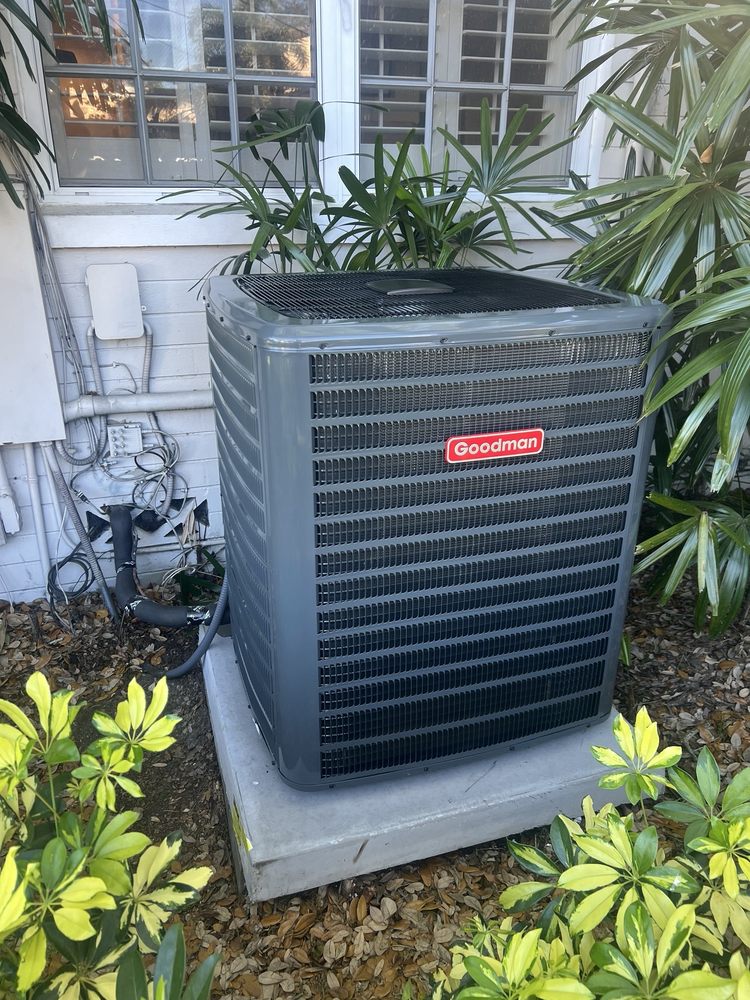
Full-service HVAC offerings in Orlando
- Air conditioning installation, repair, replacement, and seasonal tune-ups
- Heat pump services: installation, diagnostics, maintenance, and swapping to higher-efficiency models
- Furnace service and integration when needed for hybrid systems
- Ductless mini-split systems for room additions, garages, or improved zoned comfort
- Indoor air quality (IAQ) solutions: HEPA and media filtration, UV coil purifiers, whole-house dehumidifiers, humidifiers, and ERV/HRV ventilation
- Maintenance plans including 21-point tune-ups, priority service scheduling, and seasonal service promotions
- Financing options and promotions to make replacements and upgrades more affordable
- Warranty and licensing information to ensure installations meet manufacturer requirements and local codes
- Emergency service response for breakdowns during peak summer demand or after storms
- Smart thermostat integration and guidance on energy-efficient system choices
Common HVAC issues in Orlando homes
- Insufficient cooling or uneven temperatures across rooms due to aging equipment or poor airflow
- High indoor humidity and condensation that leads to mold, musty odors, and comfort problems
- Short cycling or frequent on/off cycles that reduce efficiency and shorten component life
- Frozen evaporator coils or refrigerant leaks caused by low charge or airflow problems
- Rising energy bills from inefficient equipment, poorly sealed ducts, or incorrect system sizing
- Noisy operation and vibration from failing motors, loose components, or unbalanced compressors
- Storm-related damage causing electrical faults, outdoor unit harm, or debris-clogged condensers
How systems are diagnosed and assessed
A reliable diagnosis starts with a methodical inspection and measurements rather than guesswork. Typical diagnostic steps include:
- Visual inspection of indoor and outdoor units, condensate drain, and thermostat settings
- Airflow and duct checks to identify blockages, pressure imbalances, and return-path issues
- Electrical testing for voltage, amperage, contactor and capacitor health
- Refrigerant pressure and superheat/subcooling checks to confirm proper charge and system balance
- Combustion and ventilation checks on any heating components or gas furnaces
- IAQ sampling or review when odors, humidity, or allergy concerns are reported
Accurate diagnostics prevent unnecessary replacements and ensure repairs target root causes.
Repair, replacement, and energy-efficient upgrades
Repairs focus on restoring reliable operation while balancing long-term value. Common repairs include compressor or motor replacement, refrigerant recovery and recharge, coil cleaning, capacitor and contactor replacement, and duct repairs. Replacement is recommended when:
- Repair costs approach the value of the unit
- The system is near the end of expected life and requires recurring fixes
- Energy savings from a higher-efficiency system would pay back over time
When replacing, Orlando homeowners benefit from selecting higher SEER-rated cooling equipment, properly sized systems based on load calculations, and variable-speed technology that performs better during the long cooling season. Ductless mini-splits are an excellent option for targeted cooling and heating without major ductwork. Smart thermostats help reduce wasted runtime by adapting to occupancy and local weather patterns.
Indoor air quality solutions for humid Orlando climates
High humidity is a defining IAQ challenge in Orlando. Effective IAQ strategies include:
- Whole-house dehumidifiers to keep relative humidity in a comfortable range and reduce mold and dust mite growth
- Enhanced filtration (HEPA or media filters) to capture fine particles, allergens, and pet dander
- UV coil and air purifiers to reduce biological growth on coils and in ductwork
- ERV systems that exchange fresh air while limiting moisture transfer; ERV is often preferred over HRV in hot, humid climates
Combining ventilation with dehumidification and proper filtration makes homes healthier and keeps HVAC systems running more efficiently.
Maintenance plans, warranties, and emergency response
A comprehensive maintenance plan protects performance and may preserve manufacturer warranties. Typical plan features include:
- 21-point seasonal tune-up covering refrigerant checks, electrical tests, condenser and evaporator coil cleanings, filter inspection, thermostat calibration, condensate drain cleaning, and safety inspections
- Priority service scheduling during peak seasons to reduce wait times
- Workmanship and parts warranty coordination to ensure compliance with manufacturer requirements
- Emergency response protocols for after-hours cooling failures, with technicians trained to diagnose storm-related or urgent system issues
Licensed and insured technicians ensure code-compliant installations. Proper installation and documented maintenance are often required to keep manufacturer warranties valid.
Financing, promotions, and choosing the right system
Orlando homeowners commonly finance replacements and high-efficiency upgrades to spread the upfront cost across manageable payments. When evaluating options, consider:
- Long-term operating cost savings from higher-efficiency SEER ratings
- Utility incentives, manufacturer rebates, and seasonal promotions that may reduce net cost
- System sizing and duct condition, since an oversized unit can short cycle and an undersized unit will struggle
- Smart thermostat compatibility and zoning for improved comfort and savings
A carefully chosen system matched to your home’s load and usage patterns delivers the best value in Florida’s climate.
Practical maintenance tips for Orlando homeowners
- Replace disposable filters monthly during heavy use seasons and inspect permanent filters regularly
- Keep the outdoor unit clear of plants, debris, and mulch to maintain airflow
- Ensure condensate drains flow freely to prevent water damage and microbial growth
- Schedule annual tune-ups before the hottest months to avoid breakdowns during peak demand
- Monitor indoor humidity and consider a whole-house dehumidifier if you notice persistent dampness
Maintenance Plan
Heat Pump/ AC Tune-Up

Furnace Tune-Up
Customer Testimonials