



Heat Pump Repair in Orlando, FL



Heat pumps are the backbone of year-round comfort in Orlando homes, moving heat rather than creating it to deliver efficient cooling in summer and reliable warmth in winter. When a heat pump malfunctions, discomfort escalates quickly in Central Florida’s humid climate, and energy bills can spike. Van Eddies Heating & Air Conditioning brings experienced, local-focused heat pump repair in Orlando, FL, to diagnose problems thoroughly, restore performance, and help you avoid repeat failures that are common in our region.
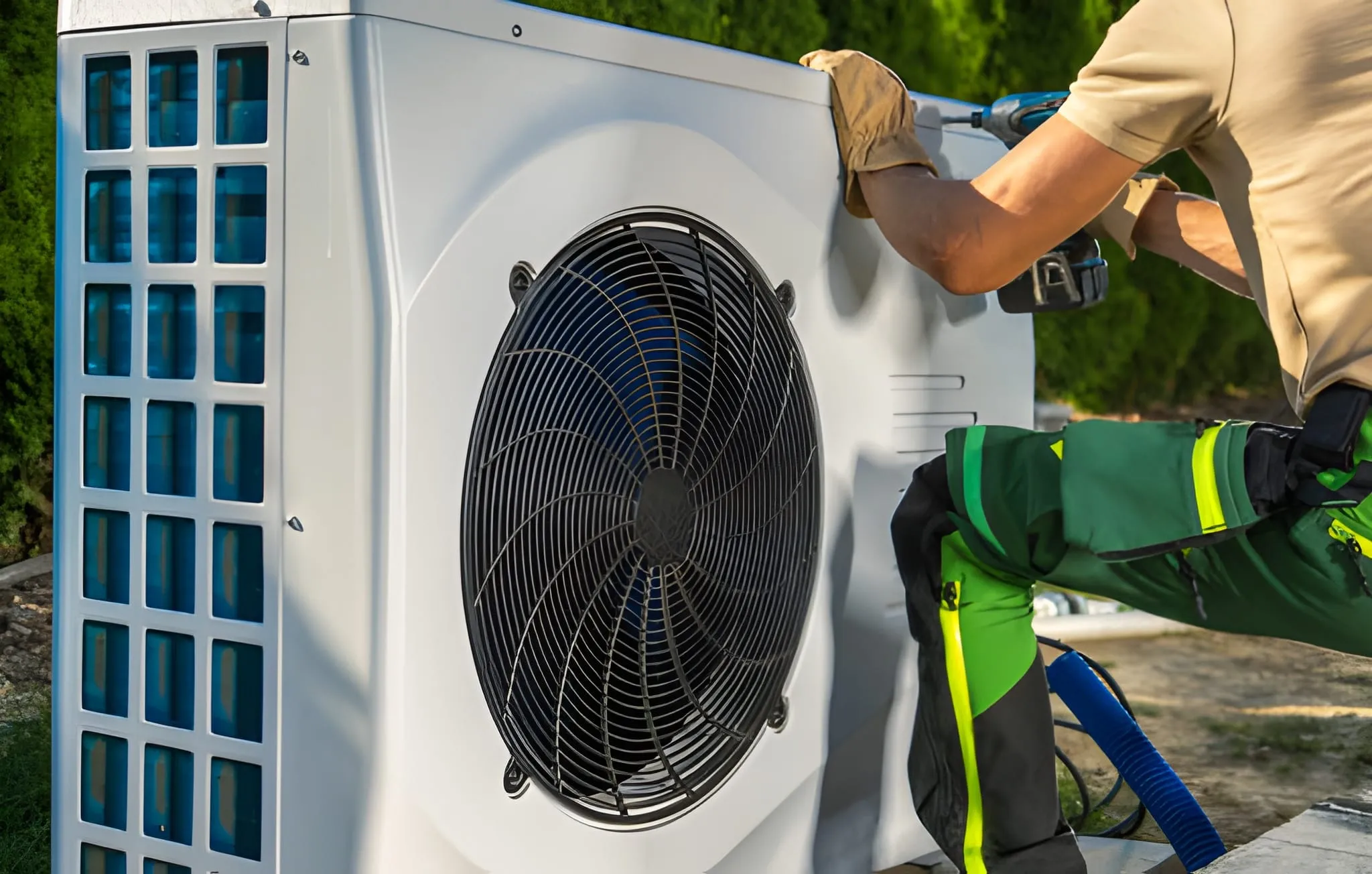
Why timely heat pump repair matters in OrlandoOrlando’s long cooling season, high humidity, and frequent afternoon storms put sustained stress on heat pump systems. Small issues that might be tolerable in milder climates can accelerate into major failures here: refrigerant leaks reduce capacity, moisture accelerates coil corrosion, and prolonged cycling due to thermostat or control faults shortens compressor life. Prompt repair preserves comfort, prevents costly component damage (especially compressor failures), maintains energy efficiency, and helps keep your system within manufacturer warranty requirements.
Common heat pump failure symptoms we see in Orlando homes
- Weak or inconsistent airflow: Vents blowing less air than usual, or rooms that never reach the set temperature.
- Warm air in cooling mode or cool air in heating mode: The system runs but does not move heat correctly.
- Short cycling: The system turns on and off rapidly, indicating control issues, improper refrigerant charge, or a bad compressor.
- Frozen evaporator coil: Icing on indoor coils during cooling operation, often from low refrigerant, airflow restrictions, or sensor problems.
- Unusual noises: Grinding, clanking, hissing, or loud rattles coming from the outdoor unit or indoor air handler.
- Increased energy bills: A sudden rise in electricity usage without behavioral changes often points to reduced system efficiency.
- Frequent defrost cycles or no defrosting: In heating mode, the outdoor coil should defrost periodically; abnormal defrost behavior signals control or valve issues.
- Tripped breakers or electrical issues: Repeated circuit trips or visible electrical damage can indicate motor, capacitor, or control board failures.
- Refrigerant odor or visible leak: A chemical smell or oily residue near lines suggests a refrigerant leak requiring immediate attention.
Types of heat pump repair services we provide
- Emergency diagnostics and repair for systems that stop cooling or heating.
- Refrigerant leak detection and repair with recovery, repair, and recharge procedures.
- Compressor testing and replacement services.
- Reversing valve inspection and replacement to restore proper mode switching between heating and cooling.
- Electrical system repairs including capacitors, contactors, motors, fuses, breakers, and control boards.
- Fan motor and blower repairs or replacements for indoor and outdoor units.
- Defrost control troubleshooting and replacement.
- Thermostat calibration and control system integration, including smart thermostats.
- Ductwork inspections for airflow issues that mimic or worsen heat pump faults.
- Seasonal maintenance and tune-ups to prevent breakdowns.
How Van Eddies technicians diagnose a heat pump problemOur diagnostic process follows a methodical sequence to identify root causes quickly and accurately, minimizing unnecessary parts changes and ensuring efficient repairs.
- Initial triage and system historyTechnicians start by asking about the system history and symptoms: when the problem began, whether it is constant or intermittent, recent maintenance, and any visible signs such as leaks or ice. Knowing local context such as recent storms, power outages, or unusually high usage helps narrow possible causes.
- Visual inspection and safety checksA visual sweep identifies obvious issues: damaged wiring, tripped breakers, burned components, oil stains indicating leaks, clogged drains, and obstructed outdoor units (debris, landscaping growth, or mulch covering the condenser). Safety is the priority, so any hazardous conditions are addressed before further work.
- Electrical checksTechnicians measure incoming voltage, check contactors, relays, capacitors, fan motors, and compressor amp draw using meters and clamp tools. Many failures in Orlando are electrical: frequent weather-related power surges, humidity-related corrosion, and older components that fail under prolonged load.
- Refrigerant system checksRefrigerant pressures are measured with manifold gauges to evaluate charge condition. If pressures indicate a leak or undercharge, certified leak detection methods are used: electronic leak detectors, soap bubble or UV dye detection, and visual inspection of accessible joints and fittings. Because refrigerant handling is regulated, our technicians follow EPA-compliant recovery and recharge procedures.
- Compressor and reversing valve inspectionThe compressor is evaluated for electrical continuity, resistance, and mechanical soundness. For systems that will not switch between heating and cooling, the reversing valve and associated solenoids are inspected for proper operation. A failing reversing valve often causes incorrect mode behavior and should be identified early to avoid unnecessary replacements.
- Airflow and coil conditionAirflow is measured, filters and coils are inspected for dirt and blockage, and blower motor performance is checked. Orlando’s humid environment contributes to dirty coils and condensate drain issues that reduce capacity and lead to freezing or water damage.
- Control system and thermostat verificationThermostats, sensors, and control boards are tested for correct signals and operation. Misconfigured thermostats or failing membranes can cause erratic operation that mimics major mechanical failure.
- Diagnostic reporting and recommendationAfter testing, technicians compile findings, prioritize repairs by safety and impact, and explain the recommended solutions and expected timelines. Documentation includes what parts will be replaced, whether original equipment manufacturer parts are available, and any temporary measures required to restore partial operation.
Common repairs explained in plain terms
- Refrigerant leak repair and recharge: Finding and repairing leaks is essential before adding refrigerant. Technicians isolate the leak, repair or replace the damaged component, vacuum the system to remove moisture, then recharge to the correct specification. Proper leak repair restores capacity and prevents regulatory issues.
- Compressor replacement: The compressor is the system’s heart. Replacement can be complex because it involves brazing refrigeration lines, evacuating and refilling refrigerant, and coordinating matched components. Compressor failure often requires the longest repair time and is one reason prompt maintenance is important.
- Reversing valve servicing: If your heat pump will not switch from cooling to heating or vice versa, the reversing valve may be stuck or electrically inoperative. Repair may include cleaning, replacing the solenoid, or replacing the valve assembly.
- Electrical component replacement: Contactors, capacitors, relays, and motor windings wear out. These are often straightforward to replace and can quickly restore normal operation when electrical failure is the root cause.
- Fan motor and blower repairs: Outdoor fan motors and indoor blowers are subject to debris, corrosion, and bearing wear. Replacements restore airflow and system balance.
- Defrost control and sensor repair: Abnormal icing or failed defrost cycles typically stem from sensors, control boards, or low refrigerant. Repairing these parts restores normal winter operation and prevents excessive energy use.
Typical repair timelines for Orlando heat pump jobsRepair duration varies by the nature of the problem, parts availability, and whether refrigerant recovery or major component replacement is required.
- Diagnostic call and minor repair (filters, capacitors, contactors): 1 to 3 hours. Often completed same day.
- Refrigerant leak find and repair with recharge: same-day to next-day depending on locating the leak and whether parts are in stock. Complete repair including evacuation and recharge can take 2 to 6 hours.
- Fan motor or blower motor replacement: 2 to 4 hours for a typical residential job.
- Reversing valve replacement: 3 to 6 hours, depending on access and whether additional line work is required.
- Compressor replacement and system recover/evacuate/recharge: 4 to 8 hours and sometimes requires multiple visits if a matched compressor is not immediately available.
- Major system repairs involving hard-to-source parts or extensive brazing may extend to a full day or more.
Parts replacement policies and warrantiesVan Eddies Heating & Air Conditioning prioritizes quality and transparency when replacing parts. Typical policies include:
- OEM-first approach: Whenever possible, original equipment manufacturer (OEM) parts are recommended for compatibility and performance. When OEM parts are unavailable, high-quality aftermarket equivalents are used and disclosed.
- Documentation: All replaced parts are documented on repair invoices, including model or part numbers and applicable manufacturer warranties.
- Warranty alignment: Parts replacement follows manufacturer and supplier warranty terms; labor warranties for repair work are clarified during estimate and provided documentation.
- Inventory and sourcing: Technicians carry common parts to reduce repeat visits. For less common or discontinued parts, we source compatible options and communicate expected wait times and alternatives.
- Safety and compliance: Refrigerant handling, compressor replacements, and major refrigeration work are performed by certified technicians following EPA and local code requirements.
Emergency and after-hours availability for Orlando residentsOrlando’s weather extremes and holiday schedules can create urgent heating and cooling needs. Van Eddies Heating & Air Conditioning provides emergency and after-hours heat pump repair coverage to address critical failures outside standard business hours. Emergency response protocols prioritize safety issues such as loss of heating in cold snaps, major refrigerant leaks, electrical hazards, or complete system failure that affects occupants’ health. After-hours service may carry different scheduling protocols, and urgent diagnostic steps are used to stabilize systems until full repairs can be completed.
Pricing expectations and transparencyTransparent pricing is important at the decision stage. While specific prices depend on the system make, age, parts needed, and labor complexity, homeowners should expect the following approach:
- Diagnostic-first estimates: A thorough on-site diagnostic informs accurate repair estimates. After testing, you receive a detailed breakdown of recommended repairs, parts, labor, and any applicable warranty coverage.
- Cost factors: Pricing depends on parts rarity, refrigerant type, system age, accessibility, and whether the repair requires brazing, line-set work, or multi-trade coordination. Systems using older refrigerants or obsolete components can increase costs due to retrofitting or replacement part sourcing.
- After-hours and emergency rates: Emergency or after-hours calls may be assessed differently due to staffing and rapid-response demands. These conditions are disclosed upfront when possible.
- Value over sticker price: The emphasis is on durable repairs that restore efficiency and reduce the likelihood of repeat visits. Sometimes repair is not cost-effective versus replacement; in those cases, recommendations will include replacement considerations and the factors that justify that option.
Why Orlando-specific conditions change repair priorities
- High humidity: Humidity increases coil fouling, promotes corrosion on electrical connections and coil fins, and creates condensate drain problems. Technicians in Orlando prioritize coil cleaning, drain line clearing, and corrosion-resistant components.
- Year-round cooling load: Longer operational hours mean wear accumulates faster. Preventive maintenance is more impactful in Orlando because it reduces the chance of peak-season failures.
- Storms and power events: Lightning and power surges from afternoon storms can damage controls and compressors. Surge protection and regular inspection of electrical components are common preventive steps.
- Salt and pollen exposure: In parts of Greater Orlando, particularly near Lake Nona and coastal-influenced neighborhoods, salt and pollen can accelerate component wear and clog filters, requiring more frequent filter and coil service.
Tips to avoid future heat pump breakdowns in Orlando
- Schedule seasonal tune-ups: A 21-point tune-up before summer’s high load and before the cooler months helps identify issues before they become failures.
- Change filters regularly: Replace or clean filters at manufacturer-recommended intervals; in high-pollen or pet homes, monthly checks are common. Proper filtration improves airflow and reduces coil contamination.
- Keep clearances around outdoor units: Maintain at least 24 inches of clearance from shrubs, mulch, and lawn equipment to preserve airflow and reduce debris accumulation.
- Monitor refrigerant performance: If cooling capacity declines or the system runs longer than normal, schedule a diagnostic for potential refrigerant issues before the compressor is overworked.
- Protect from surges: Consider whole-home or dedicated HVAC surge protection to reduce weather-related electronic failures.
- Maintain proper drainage: Ensure condensate drains and pans are clean and sloped correctly; clogged drains can cause water damage and fungal growth in humid climates.
- Install quality thermostats and calibrate them: Smart thermostats and routine calibration reduce unnecessary cycling and improve comfort.
- Seal and insulate ducts: Leaky ducts force the heat pump to work harder and reduce comfort. Periodic duct inspections and sealing improve efficiency, especially in older homes.
- Replace aging systems proactively: When systems approach the end of their expected life and require frequent major repairs, replacement can be the most economical and reliable option.
What to expect during a typical repair visit
- Arrival and safety setup: A technician arrives with tools and common parts, performs a safety inspection, and explains the diagnostic plan.
- Diagnostic testing: Electrical, refrigerant, and airflow tests are performed and logged to identify the problem.
- Decision and repair: Based on findings, the technician explains the repair options and timeline. Replacements are performed carefully, and temporary measures are implemented when a full repair requires additional parts.
- Post-repair testing: After parts are installed, the system is tested under typical load conditions to verify correct operation and efficiency.
- Documentation: You receive a service summary detailing work performed, parts replaced, warranties, and maintenance recommendations.
Long-term benefits of prompt heat pump repairTimely repair restores comfort fast, reduces energy waste, and prevents minor issues from causing irreversible damage. Fixing refrigerant leaks and restoring correct charge preserves compressor life, and addressing electrical faults prevents higher-risk failures. Regular, documented repairs also help maintain manufacturer warranties and can protect resale value by proving system maintenance history.
Maintenance Plan
Heat Pump/ AC Tune-Up

Furnace Tune-Up
Customer Testimonials