



Heating Service in Orlando, FL



Winter in Orlando may be milder than northern states, but when temperatures dip into the 40s and 50s or during cold snaps, a properly functioning heating system is essential for comfort and humidity control. Whether your home relies on a heat pump, gas furnace, ductless mini-split, or hybrid system, professional heating service in Orlando, FL ensures safe operation, dependable warmth, and efficient performance when you need it most.
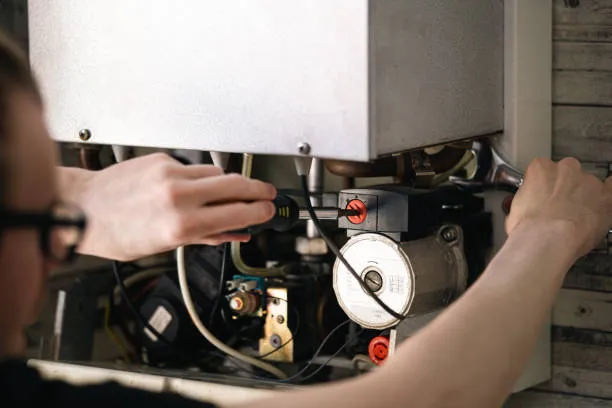
Why Heating Service Matters for Orlando Homes
Orlando homes often use heat pumps because of the warm climate; these systems both heat and cool and require seasonal attention to perform efficiently.
High humidity and frequent temperature swings can strain system components (controls, compressors, defrost cycles), so preventative service reduces breakdown risk.
Proper service protects indoor comfort and indoor air quality by ensuring balanced airflow, correct filtration, and safe combustion where applicable.
Common Heating Issues Covered
Heating service in Orlando, FL typically addresses these frequent problems:
- No heat or weak heat output – Common with refrigerant issues on heat pumps, clogged filters, or failing burners in furnaces.
- Pilot light or ignition failures – Sticking thermocouples, dirty burners, or faulty ignition modules.
- Blower motor or fan problems – Reduced airflow, noisy operation, or intermittent fan failure from worn bearings, capacitors, or debris.
- Thermostat errors or communication issues – Incorrect settings, sensor drift, or smart thermostat wiring/configuration faults.
- Short cycling or frequent on/off cycles – Caused by airflow restrictions, oversized units, or malfunctioning controls.
- Heat pump-specific issues – Defrost cycle failures, reversing valve problems, and refrigerant leaks.
- Safety concerns – Cracked heat exchangers (furnaces), carbon monoxide risk, or gas leaks that always require immediate diagnostic attention.
Diagnostic Process: What a Professional Check Includes
A thorough heating service starts with a structured diagnostic to find the root cause rather than treat symptoms:
- Visual inspection of indoor and outdoor units, ductwork, and thermostat.
- Filter and airflow assessment; measurement of static pressure when needed.
- Electrical and control checks: Breakers, fuses, relays, capacitors, and control boards.
- Ignition and combustion safety checks: For gas systems, including flame sensor and pilot/ignition operation.
- Refrigerant and heat-transfer assessment for heat pumps: Refrigerant levels, coil condition, and defrost performance.
- Motor and blower evaluation: Amp draw, bearings, belt condition, and air distribution.
- System performance testing under load: Temperature splits, runtime, and thermostat response.
Technicians document findings and explain the prioritized issues, typical fixes, and reliability implications for Orlando climate conditions.
Typical Repairs and Solutions
Pilot/light and ignition: Clean or replace flame sensors, repair or replace ignition modules, check gas pressure and safety switches.
Blower and motors: Replace capacitors, lubricate bearings, install replacement motors or blower wheels if worn.
Thermostats: Recalibrate, replace batteries, rewire or upgrade to a compatible smart thermostat for better temperature control and efficiency.
Refrigerant and heat pump repairs: Locate and repair leaks, evacuate and recharge refrigerant per specifications, replace malfunctioning reversing valves, or repair defrost controls.
Duct and airflow corrections: Seal and insulate ducts, clear restrictions, and rebalance registers for more even heat distribution.
Repair vs. Replace: Clear Criteria for Orlando Homeowners
Deciding whether to repair or replace a heating system depends on several objective factors:
System age and typical lifespan: Heat pumps commonly last 10–15 years; well-maintained furnaces can last 15–20 years.
Frequency and cost of repairs: Repeated breakdowns or high-cost component failures point toward replacement for long-term reliability.
Efficiency and energy impact: Older systems often operate with lower efficiency; replacing with a modern high-efficiency heat pump or furnace can reduce energy use and improve comfort.
Comfort and performance needs: If existing equipment can’t maintain even temperatures or handle humidity, replacement may be the most cost-effective path.
Safety and code compliance: Any system with serious safety defects (cracked heat exchangers, gas leaks) that cannot be reliably repaired should be replaced.
A professional service assessment will provide a clear comparison of repair expectations versus replacement benefits tailored to Orlando energy patterns and local weather demands.
Warranty and Service Assurances
Most heating components have manufacturer parts warranties; labor and workmanship warranties vary by service provider.
Keep original equipment documentation and service records to preserve warranty eligibility and ease potential transfers if you sell the home.
Routine maintenance plans often include scheduled inspections and can extend system life and reduce the likelihood of breakdowns through annual tune-ups and priority service options.
Service Scheduling and Emergency Response
Routine service is best scheduled before the cooler months (late fall) so systems are inspected and tuned ahead of increased use.
Emergency heating service for sudden failures, safety concerns, or loss of heat is available from many providers; response priorities typically differentiate life-safety issues from noncritical repairs.
Expect transparent diagnostic reporting and written recommendations after inspection so you can make an informed decision between repair and replacement.
Practical Maintenance Tips for Orlando Homeowners
Replace or clean filters regularly to maintain airflow and system efficiency.
Keep the outdoor unit area clear of debris, vegetation, and excess humidity traps.
Maintain thermostat settings and consider programmable or smart thermostats to reduce unnecessary runtime.
Schedule annual inspections for heat pumps and furnaces to catch small issues before they become emergency repairs.
Inspect ducts and vents for leaks, blockages, or disconnected sections that reduce heating performance.
Heating service in Orlando, FL ensures your system runs safely and reliably when cooler weather arrives, avoids unnecessary emergency repairs, and preserves indoor comfort and air quality. Regular diagnostics, targeted repairs, and clear guidance on repair versus replacement let you manage long-term costs and system performance in a Florida climate.
Maintenance Plan
Heat Pump/ AC Tune-Up

Furnace Tune-Up
Customer Testimonials