



Heating Tune-Up in Conroe, TX



A seasonal heating tune-up is one of the best investments homeowners in Conroe, TX can make to protect comfort, safety, and equipment value. With humid summers, pollen-heavy springs, and occasional cold snaps in winter, Conroe homes place unique demands on heating equipment. A professional tune-up optimizes performance, reduces the chance of mid-season breakdowns, and helps systems run more efficiently when you need heat the most.
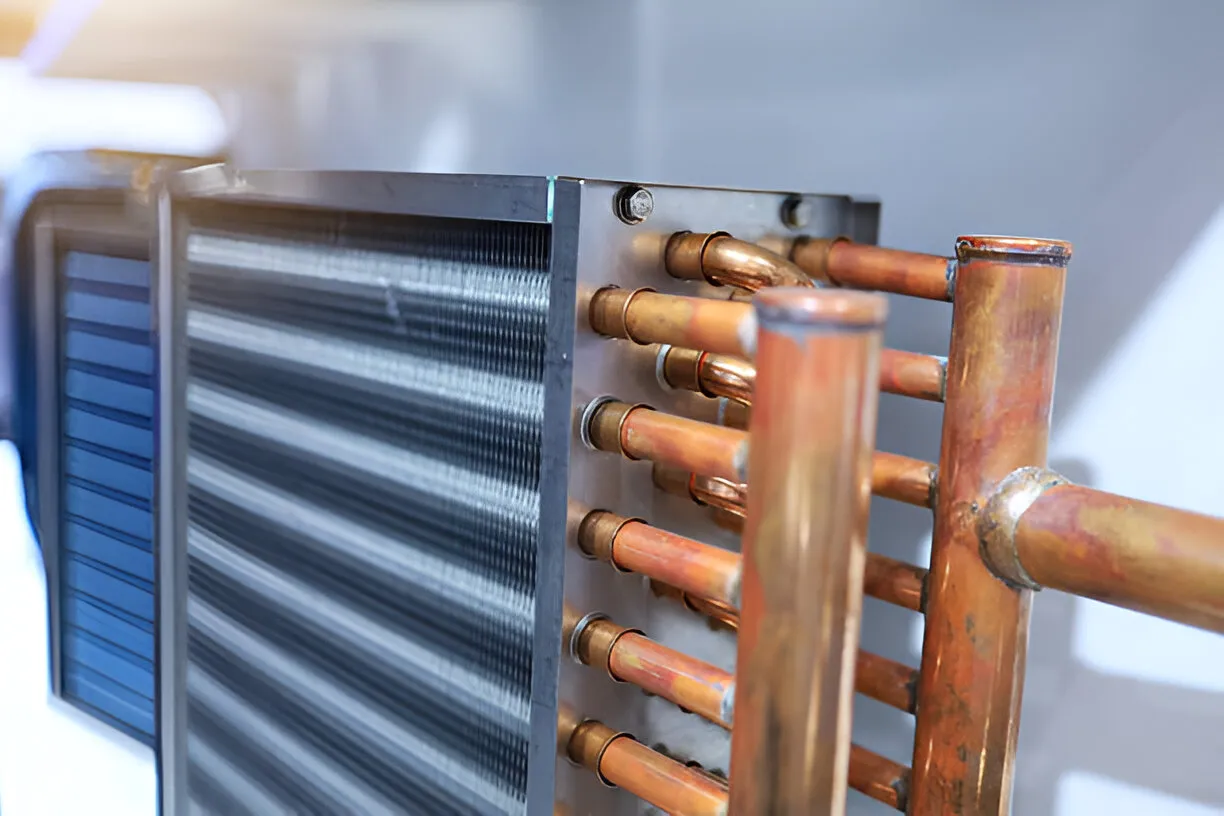
What a Heating Tune-Up Covers
A full heating tune-up is a hands-on, detailed service that goes beyond a basic inspection. Typical tasks include:
- Cleaning burners and igniters to ensure efficient combustion
- Inspecting and cleaning heat exchangers to prevent cracks and carbon monoxide risks
- Checking airflow and blower performance, including cleaning blower wheels and verifying motor operation
- Examining and cleaning coils (for heat pumps) and evaluating refrigerant charge if applicable
- Thermostat calibration and control checks to confirm accurate temperature control
- Testing ignition controls, gas pressure, and safety switches
- Inspecting flue and venting for proper draft and blockages
- Replacing or recommending filters and checking return grilles
- Tightening electrical connections and testing capacitors, relays, and transformers
- Lubricating moving parts where required
- Confirming condensate drainage and traps for high-efficiency equipment
These tasks are performed to industry standards and tailored to the specific type of heating system in your home—furnace, heat pump, or hybrid system.
Common Heating Issues in Conroe, TX Homes
Conroe’s climate and regional factors contribute to several recurring heating problems:
- Dust, pollen, and debris build-up that restricts airflow and stresses motors
- High indoor humidity leading to corrosion or reduced efficiency on some components
- Short cycling caused by thermostat miscalibration, airflow problems, or failing sensors
- Dirty burners or clogged ignition systems that cause slow or unreliable starts
- Cracked heat exchangers or venting issues in older furnaces, increasing safety risks
- Refrigerant loss or electrical component wear in heat pumps after extended service intervals
A tune-up catches these conditions early, keeping small problems from becoming costly emergency repairs in colder weather.
The Value of a 21-Point Inspection
A structured 21-point inspection ensures nothing critical is missed. Typical elements include:
- Visual inspection of heat exchanger and combustion chamber
- Burner assembly cleaning and flame verification
- Ignition system test
- Gas pressure and manifold checks
- Venting and flue draft inspection
- Carbon monoxide baseline reading
- Blower motor current draw and amp testing
- Blower wheel cleaning and balance
- Air filter assessment and replacement recommendation
- Return and supply airflow measurements
- Thermostat operation and calibration
- Electrical connection tightening and voltage checks
- Capacitor and relay function tests
- Safety controls and limit switch verification
- Combustion analysis (where applicable)
- Condensate system and trap checks
- Refrigerant level check for heat pump systems
- Defrost cycle evaluation for heat pumps
- Ductwork visual inspection for leaks/insulation issues
- System startup and shutdown sequence test
- Performance verification and efficiency baseline reporting
A documented 21-point inspection gives homeowners a clear view of system health and any prioritized recommendations for repairs or upgrades.
Diagnostic Process — What Technicians Do
Technicians follow a consistent diagnostic process to ensure safe, efficient operation:
- Review system history and any recent symptoms
- Perform safety checks (gas leaks, CO levels, electrical hazards)
- Run the system through a full operating cycle to identify irregularities
- Measure airflow, temperatures, and electrical readings
- Clean, adjust, and lubricate components as needed
- Report findings with clear explanations and recommended next steps
This methodical approach reduces guesswork and provides actionable information on system condition and expected longevity.
Repairs and Solutions Explained
When a tune-up identifies issues, common professional solutions include:
- Cleaning or replacing filters and blower components to restore airflow
- Adjusting gas pressure and servicing burners for correct combustion
- Replacing worn capacitors, contactors, or motors to restore reliable starts
- Sealing or insulating duct leaks that cause uneven heating and energy loss
- Repairing or replacing sensors and thermostats for proper cycling
- Addressing condensate or drainage problems that can cause secondary damage
Each repair focuses on restoring efficiency and reliability while minimizing future breakdown risk.
Recommended Frequency and Seasonal Timing
- Most gas furnaces and heat pumps should receive an annual heating tune-up before the first prolonged cold period.
- In homes with heat pumps used for both heating and cooling, consider a tune-up twice a year (pre-winter and pre-summer) to service both heating and cooling functions.
- Homes with heavy pollen, pets, or older equipment may benefit from more frequent inspections.
Annual maintenance helps protect warranties, preserves efficiency, and extends equipment life.
Benefits for Conroe Homeowners
Regular heating tune-ups deliver measurable benefits for homeowners in Conroe, TX:
- Improved energy efficiency and lower utility bills during heating periods
- Fewer unexpected breakdowns during cold snaps
- Extended equipment lifespan and delayed need for full replacement
- Improved indoor comfort with more consistent temperatures and airflow
- Enhanced safety through early detection of CO risks or gas/venting problems
- Clear documentation of system condition for future planning or resale
Heating tune-ups are a practical, preventative step that protects comfort and investment in local climate conditions.
Maintenance Plan
Heat Pump/ AC Tune-Up

Furnace Tune-Up
Customer Testimonials