



AC Installation in Conroe, TX



An accurately specified and professionally installed air conditioning system is one of the most important investments for comfort and energy savings in Conroe, TX. With hot, humid summers, higher cooling loads, and seasonal pollen and moisture concerns, the right new AC system keeps your home comfortable, controls indoor humidity, and reduces monthly energy costs.
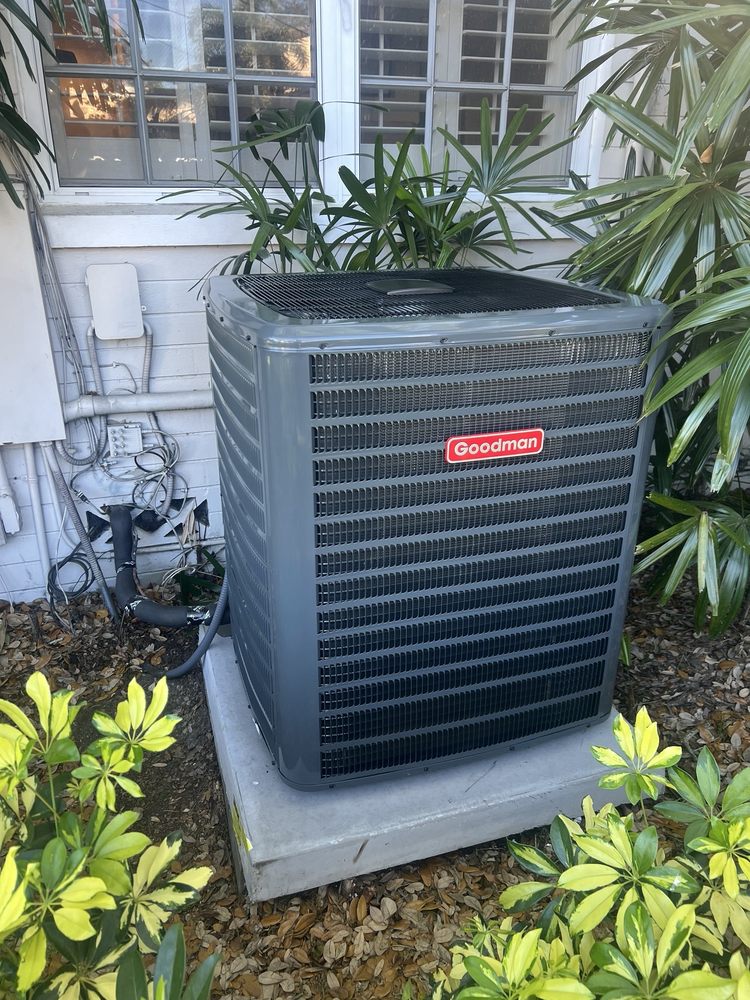
Common AC installation types and which work well in Conroe
- Central split systems (most common): Efficient for whole-house cooling when ductwork is in good condition. Good at handling Conroe’s high cooling loads.
- Heat pump systems: Provide both cooling and heating with excellent efficiency; useful in mild Texas winters and for better dehumidification control.
- Ductless mini-splits: Best for additions, homes without ducts, or zoning specific areas like sunrooms where extra cooling is needed.
- High-efficiency condensing units with variable-speed compressors: Provide tighter temperature control and superior humidity removal for humid summers.
How we size your new system: load calculations and unit selection
Correct sizing starts with a thorough load calculation — commonly called a Manual J. This evaluates:
- Square footage and orientation of your home
- Insulation levels and window types
- Attic and wall temperatures, roof color, and shading
- Occupancy, appliances, and internal heat gains
A proper Manual J prevents common problems like short cycling, high humidity, and uneven comfort. Duct design (Manual D) and airflow requirements are considered next to ensure the chosen unit delivers the rated capacity to living spaces. For Conroe homes, calculations typically account for higher latent loads (humidity) and greater sensible cooling during peak summer months.
Energy efficiency, SEER, and model comparisons
- SEER (Seasonal Energy Efficiency Ratio) indicates how much cooling a unit produces per unit of electrical energy. Higher SEER equals lower running costs, which matters in Conroe’s long cooling season.
- Compare two-stage and variable-speed compressors versus single-stage: two-stage and variable-speed units deliver more consistent comfort, better humidity control, and superior efficiency during partial-load conditions common in morning and evening hours.
- Consider the whole-system efficiency: matched indoor coil and properly sized ductwork influence real-world performance as much as SEER ratings.
- Choose between traditional refrigerants and newer low-global-warming-potential options; these influence serviceability and future regulations.
When selecting a model, weigh upfront cost against estimated energy savings and typical Conroe usage patterns. Homes with higher humidity or poor ductwork can benefit most from higher-efficiency, variable-speed systems.
Professional installation steps and what they include
- Site assessment and verification of load calculations
- Removal and safe disposal of the old unit (if applicable), including recover of refrigerant per regulations
- Duct inspection, sealing, and modification if required for optimal airflow
- Proper placement and mounting of outdoor condenser and indoor air handler/evaporator
- Correct refrigerant charging, electrical connections, and system balancing
- Installation of condensate management (drains, traps), return and supply grilles, and thermostat wiring
- Obtaining required local permits and ensuring installation meets all building codes and utility interconnection rules
Permitting and code compliance are part of a professional installation. Local inspectors may require documentation of load calculations, equipment specifications, refrigerant type, and electrical work. Compliance ensures safety, performance, and eligibility for manufacturer warranties or local incentives.
Post-installation testing and commissioning
After installation, thorough testing confirms the system performs to specification:
- Measure refrigerant charge, superheat, and subcooling to factory specs
- Verify airflow (CFM) and static pressures through the duct system
- Test electrical loads, breaker sizing, and safety controls
- Confirm thermostat calibration and control logic for multi-stage or variable-speed systems
- Check condensate drainage and overflow protection
- Run a complete system commissioning report that documents measured performance and any adjustments
A documented commissioning process ensures you get the expected efficiency, capacity, and humidity control — critical for year-round comfort in Conroe.
Warranty coverage and long-term protection
New systems typically include a manufacturer’s warranty for parts and a separate compressor warranty. Installation workmanship warranties cover labor for a specified period. Warranty validity often requires timely registration and regular preventive maintenance. Keep records of service visits, filter changes, and commissioning reports to support future warranty claims. Consider extended labor warranties or maintenance plans to protect your investment over time.
Financing and incentives
Financing options often include HVAC-specific loans, low-interest financing through third-party lenders, and seasonal promotions from manufacturers or installers. Additionally, utility rebates or state/local incentives may apply for high-efficiency equipment or qualifying heat pump installations. When evaluating financing, compare total cost, term length, and how equipment efficiency affects monthly operating costs in Conroe’s climate.
Maintenance and tips for Conroe homeowners
- Schedule annual tune-ups to preserve efficiency and warranty eligibility, focusing on coil cleaning, refrigerant checks, and airflow testing.
- Replace filters regularly and use filtration appropriate for local pollen and outdoor allergens.
- Address attic insulation and duct sealing to reduce cooling loads and improve system life.
- Use programmable or smart thermostats to optimize runtime and reduce peak cooling demand.
- Consider supplemental dehumidification if your home struggles with dampness despite proper cooling.
Maintenance Plan
Heat Pump/ AC Tune-Up

Furnace Tune-Up
Customer Testimonials