



AC Repair in Conroe, TX



Keeping your home cool and safe during Conroe’s long, humid summers depends on reliable air conditioning. When an AC system fails, it not only creates discomfort but can also lead to higher energy bills, humidity-related damage, and indoor air quality problems.
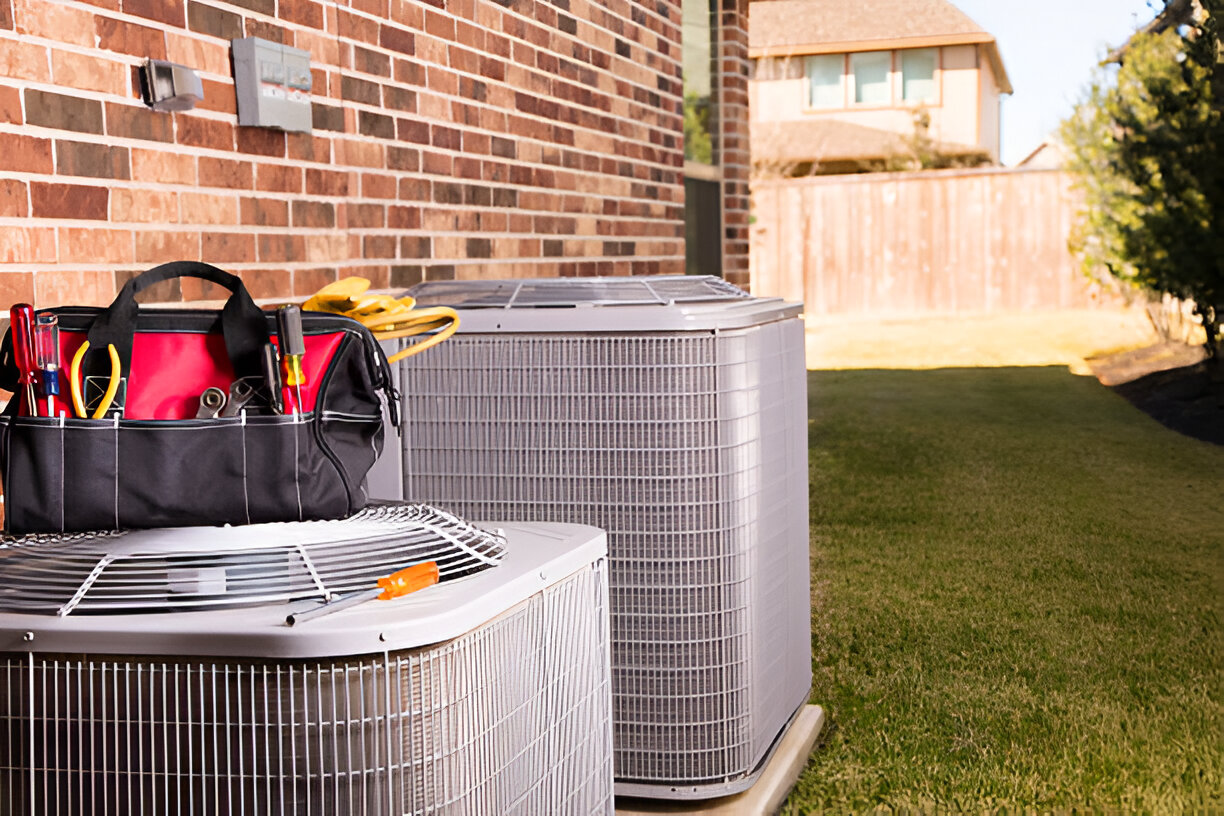
Why timely AC repair matters in Conroe, TX
Conroe’s hot, humid climate and frequent summer storms put extra strain on air conditioning systems. High humidity forces the system to remove more moisture, increasing runtime and wear. Seasonal pollen and airborne debris combined with moisture buildup can accelerate coil fouling and corrosion. Quick, accurate repairs reduce energy waste, prevent secondary damage (like mold or water leaks), and extend equipment life.
Common AC problems and how they are diagnosed
Technicians use a combination of visual inspection, electrical testing, and system performance checks to pinpoint issues. The most common failures in Conroe homes include:
- Compressor problems
- Symptoms: Unit won’t cool, outdoor fan runs but no compressor activity, unusual noises.
- Diagnostic checks: Compressor start capacitors, contactor, voltage at compressor terminals, and internal winding resistance. Leak detection and oil analysis if needed.
- Refrigerant leaks
- Symptoms: Gradual loss of cooling, ice on the evaporator coil, higher indoor humidity.
- Diagnostic checks: Electronic leak detectors, UV dye or bubble testing at suspected joints, pressure testing. Technicians confirm correct refrigerant charge and check for contamination.
- Electrical faults
- Symptoms: Intermittent operation, breaker trips, no power to the unit.
- Diagnostic checks: Inspect wiring, contactors, fuses, control boards, relays, and capacitor health. Evaluate outdoor power supply and circuit protection.
- Thermostat and control issues
- Symptoms: Short cycling, incorrect temperature reading, system won’t start.
- Diagnostic checks: Thermostat calibration, wiring continuity, control board signals, and verifying thermostat placement (avoid direct sunlight or heat sources).
- Airflow and duct problems
- Symptoms: Weak airflow, hot and cold spots, increased dust.
- Diagnostic checks: Measure static pressure, inspect filters, blower motor function, duct leaks, and return/supply balance.
Emergency and same-day response options
In Conroe, extreme heat and humidity make fast response important. Service options commonly available include:
- Same-day dispatch for high-priority failures affecting safety or comfort.
- Emergency triage over the phone or online to determine whether a temporary repair (budget-friendly short-term fix) or full repair is required.
- Mobile service vehicles stocked with common parts (filters, capacitors, contactors, thermostats, fan motors) to complete many repairs on the first visit.Technicians prioritize safety (electrical hazards, refrigerant leaks) and habitability (no cooling during heat waves) while coordinating parts that may require ordering.
Typical repair workflow and parts used
A clear, step-by-step workflow helps ensure diagnostic accuracy and transparent expectations:
- Pre-visit intake: Document symptoms, recent history, and equipment model/age.
- On-site inspection: Visual inspection of indoor and outdoor units, filter check, thermostat reading, duct access.
- Diagnostic testing: Voltage checks, amperage tests, refrigerant pressure readings, capacitor and contactor tests, leak detection.
- Findings and estimate: Technician explains the problem, parts required, and repair options. Written estimate outlines labor, parts, estimated time, and warranty information.
- Repair or temporary remedy: Perform agreed-upon repairs—replace faulty capacitors, contactors, fan motors, run capacitors, compressors, TXV/expansion valves, control boards, or repair refrigerant leaks and recharge according to EPA guidelines.
- Post-repair verification: System run test, refrigerant level verification, thermostat calibration, and cleanup.
- Documentation: Provide a service report listing diagnostics, parts replaced, recommended follow-up, and any warranty coverage.
Common parts used in repairs:
- Capacitors, contactors, relays
- Fan motors and blower assemblies
- Compressors (with oil and gasket kits)
- Refrigerant (R-410A or other specified for the system) and leak-repair components
- Control boards, sensors, and thermostats
- Expansion devices, filter driers, and access valves
Technicians typically discuss OEM vs aftermarket parts, parts warranties, and the expected lifespan after repair.
Transparent pricing and estimates
Expect transparency in the estimate process:
- A clear written estimate that separates labor, parts, and any diagnostic fee.
- Explanation of whether work is priced as a flat rate or hourly labor.
- Disclosure of parts warranty and labor guarantee terms.
- Options presented when repair costs approach replacement levels, including efficiency and long-term cost considerations.Estimates should help homeowners in Conroe weigh the benefits of repairing versus replacing aging equipment exposed to local climate stressors.
Recommended follow-up maintenance to prevent repeat issues
Regular maintenance significantly reduces the likelihood of repeat failures, especially in humid, pollen-heavy areas like Conroe:
- Schedule an annual tune-up that includes cleaning coils, checking refrigerant levels, testing electrical components, and lubricating moving parts.
- Replace disposable filters every 1 to 3 months; consider higher-efficiency filters during pollen season.
- Keep outdoor condensers clear of vegetation and debris; trim back at least 2 feet of clearance.
- Inspect and clear the condensate drain to prevent backups and bacterial growth.
- Consider a surge protector for HVAC electrical panels to reduce storm-related control board failures.
- Monitor thermostat settings and consider a programmable or smart thermostat to reduce stress on the system.
What to prepare for a service appointment
When arranging a repair visit, having this information ready helps the technician diagnose faster:
- System make, model, and approximate age (usually on the outdoor unit nameplate).
- Description of symptoms and when they began.
- Any recent changes (new thermostat, recent maintenance, power events, or leaks).
- Clear access to indoor and outdoor equipment and thermostat location.
Maintenance Plan
Heat Pump/ AC Tune-Up

Furnace Tune-Up
Customer Testimonials