



AC Tune-Up in Conroe, TX



Keeping your air conditioning tuned and ready is essential in Conroe, TX, where hot, humid summers and high pollen counts put extra stress on cooling systems. A professional seasonal tune-up prevents emergency breakdowns during heat waves, lowers energy bills, improves humidity control, and helps your system last longer.
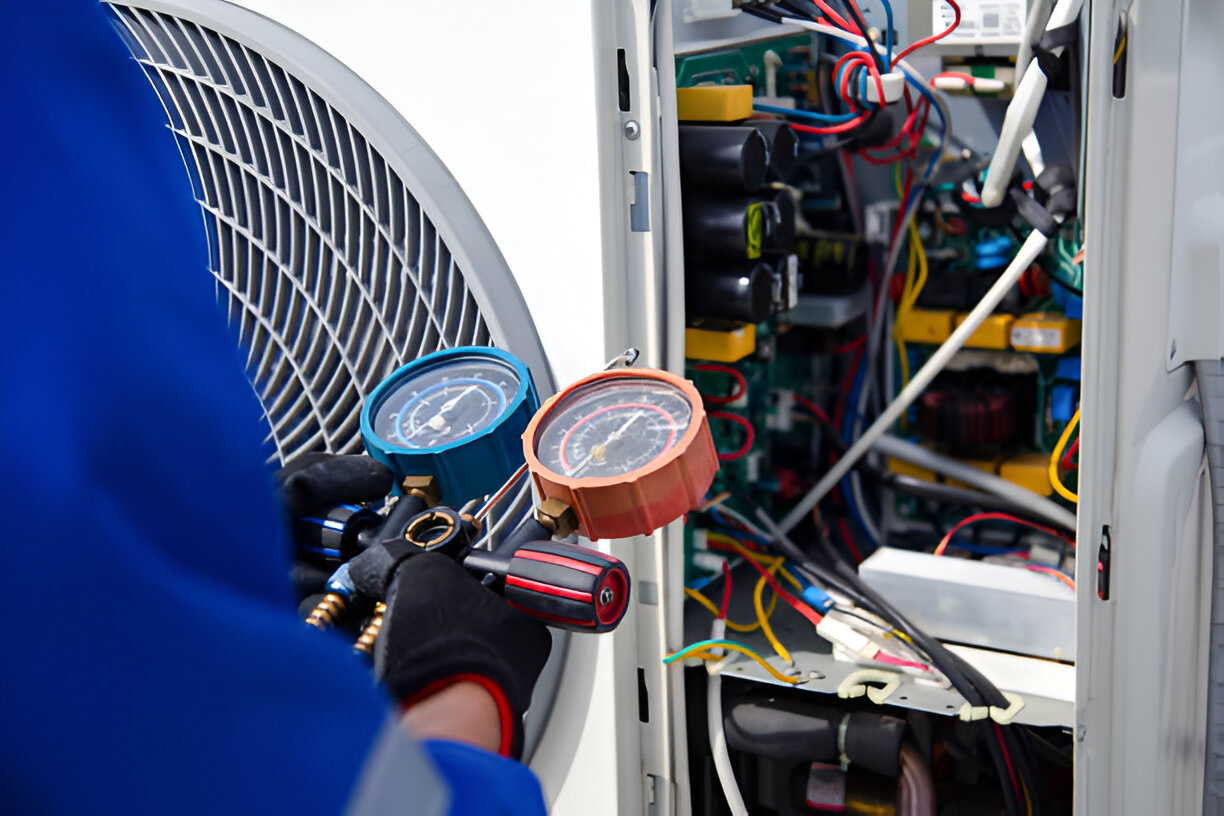
Why a seasonal tune-up matters in Conroe, TX
Conroe’s climate means your AC runs hard for many months of the year. High humidity increases runtime, which accelerates wear on electrical components and promotes coil corrosion and biological growth on condensate drains and pans. Trees and local landscaping contribute pollen and debris that clog coils and filters. Regular tune-ups address these local stressors so your system performs reliably when you need it most.
Common AC issues we find in Conroe homes
- Reduced cooling capacity and longer run times due to dirty coils or clogged filters
- Leaking or low refrigerant caused by small leaks or aging lines
- Clogged condensate drains and full drain pans that cause water damage and mold risk
- Short cycling from thermostat problems, electrical faults, or a failing capacitor
- Frozen evaporator coils from restricted airflow or low refrigerant
- Worn electrical components and loose connections that increase failure risk during heat waves
What a professional 21-point tune-up covers
A thorough multi-point inspection targets the components that most affect safety, efficiency, and reliability. A typical 21-point tune-up includes inspection, cleaning, testing, and basic adjustments for these items:
- Visual inspection of indoor and outdoor units for damage and proper clearance
- Check and test thermostat operation and calibration
- Inspect and tighten electrical connections and terminals
- Test system start/stop function and run cycles
- Measure compressor and fan motor amperage and voltage
- Inspect and test capacitors and contactors for wear
- Check refrigerant level and pressures for proper charge
- Look for signs of refrigerant leaks and report findings
- Clean or fin-straighten condenser coil as needed
- Inspect evaporator coil and clean if accessible and safe to do so
- Check and clean condensate drain line and flush trap
- Inspect condensate drain pan and test float switch operation
- Replace or recommend correct air filter (size and type verified)
- Inspect blower motor, wheel, and belts; clean as required
- Measure airflow and static pressure, check for restricted vents
- Confirm proper reversing valve operation on heat pumps (if applicable)
- Test safety controls and limit switches
- Check ductwork accessible openings for obvious leaks or disconnections
- Verify outdoor unit fan operation and blade condition
- Test temperature split (supply vs return) to assess cooling performance
- Provide a concise service report with findings, recommended repairs, and efficiency notes
Refrigerant checks and leak considerations
Measuring refrigerant pressures is part of every tune-up because low refrigerant not only reduces cooling capacity but can damage the compressor. Low charge typically indicates a leak that needs repair before refrigerant is replaced. In Conroe, aging equipment and vibration from frequent cycling make small leaks more common. Technicians will document pressures, look for oil staining or dye, and outline required repairs if a leak is present.
Coil and condensate drain cleaning explained
Evaporator and condenser coils are heat-exchange surfaces that lose efficiency as dirt and pollen accumulate. Cleaning coils improves heat transfer and lowers run time. Condensate drains carry away moisture collected by the indoor coil; if they clog, water can overflow, causing stains, mold, and system shutdowns. A tune-up includes clearing the drain line, flushing the trap, and ensuring the condensate pump or float switch is functioning.
Filter replacement and thermostat calibration
Fresh filters maintain good airflow and indoor air quality. During a tune-up, the correct filter size and MERV recommendation are confirmed and the filter is replaced if included in the service. Thermostats are calibrated to ensure set temperatures match actual conditions. For homes with programmable or smart thermostats, settings and schedules are checked to optimize comfort and energy savings.
Safety and efficiency checks
Technicians perform electrical safety inspections, measure motor load, and verify proper component operation. These checks reduce the chance of heat-related failures and electrical hazards. Efficiency checks like temperature split and run-time analysis give an immediate snapshot of system health and help prioritize repairs that will lower utility bills.
Signs you need a tune-up now
- Your energy bills are climbing while usage is the same
- Uneven temperatures or rooms that never get cool
- Strange noises, buzzing, or frequent short cycling
- Water or moisture around the indoor unit or in the attic
- Foul or musty odors when the system runs
When to schedule your tune-up
For Conroe homeowners, the best time for an AC tune-up is in spring before peak summer temperatures arrive. An annual inspection keeps systems ready for heavy seasonal use and is the simplest way to avoid costly emergency repairs in mid-summer.
Simple maintenance tips between professional tune-ups
- Replace or check filters every 1 to 3 months, more often with pets or allergies
- Keep at least 2 feet of clearance around the outdoor unit and trim vegetation back
- Clear leaves and debris from the condenser area after storms
- Use a programmable schedule that reduces runtime when the home is empty
- Monitor for odd noises or moisture and address issues promptly
Benefits of regular tune-ups for Conroe homes
Regular tune-ups deliver measurable benefits: improved comfort, lower energy bills, fewer mid-summer breakdowns, extended equipment life, and better indoor air quality in a humid, pollen-prone climate. Routine maintenance also provides documented service history that can influence resale value or warranty claims.
Maintenance Plan
Heat Pump/ AC Tune-Up

Furnace Tune-Up
Customer Testimonials