



Heat Pump Service in Conroe, TX



Heat pump service in Conroe, TX matters because local weather puts unique demands on heating and cooling equipment. High summer heat and humidity, regular pollen and airborne particulates, and occasional winter cold snaps mean heat pumps must run efficiently and reliably year round to keep your home comfortable and protect indoor air quality. Van Eddies Heating & Air Conditioning provides diagnostic assessments, routine tune-ups, minor repairs, system optimization, indoor comfort troubleshooting, indoor air quality integrations, and parts replacement options specifically tailored to Conroe homes and businesses.
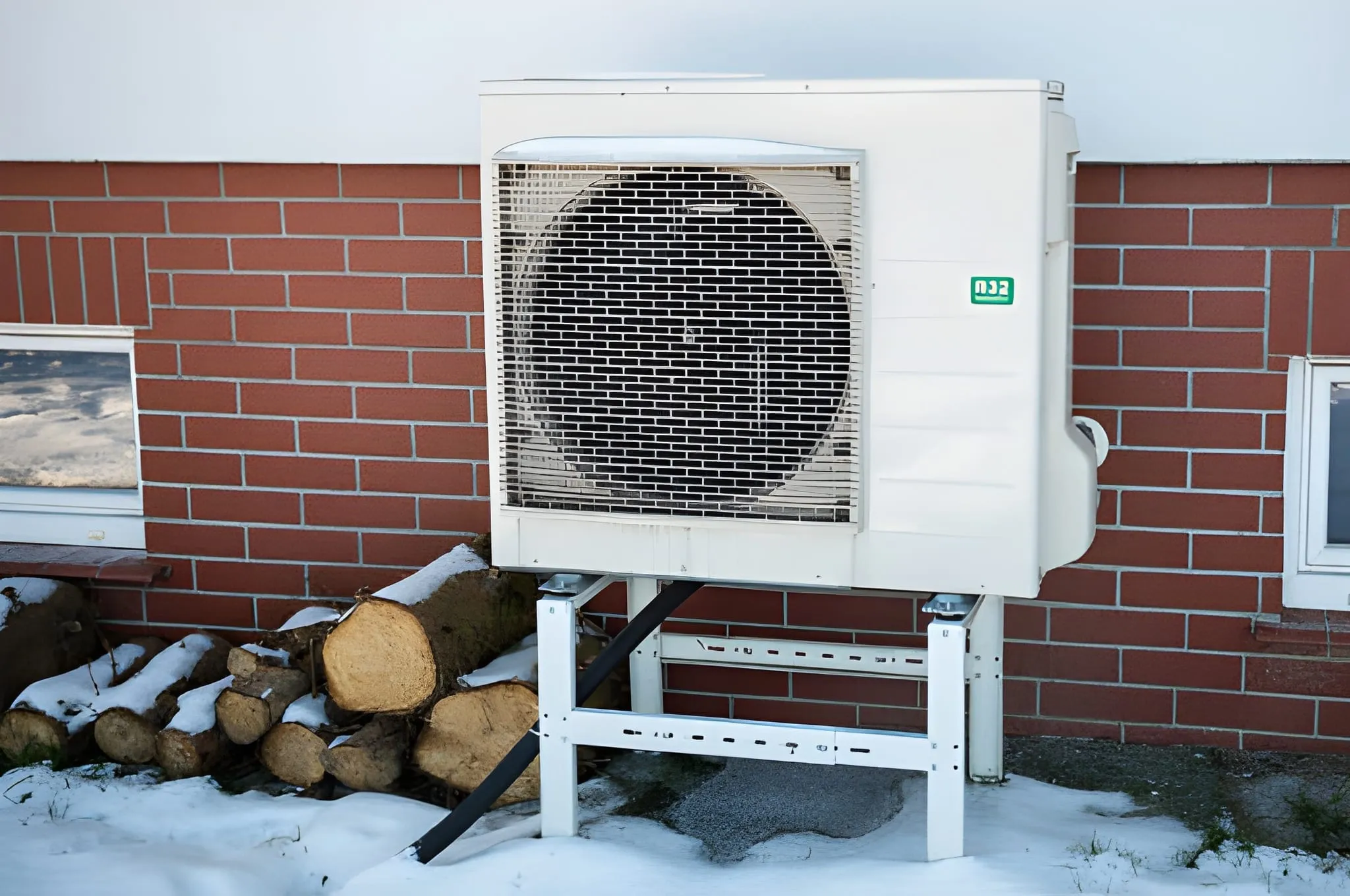
Why heat pump service is important in Conroe, TX
Heat pumps are a popular choice in Conroe because they provide both heating and cooling using the same system and they perform well in moderate winter climates. However, Conroe’s long, hot summers and high humidity levels mean heat pumps work hard for months at a time. Without regular maintenance, performance declines, energy bills rise, and indoor comfort suffers. Routine professional service helps preserve efficiency, prevent premature failures, and maintain consistent indoor temperatures and humidity control in your home.
Regular service also reduces the risk of moisture-related problems. In Conroe, excess humidity can lead to coil freeze-ups, reduced airflow, and mold growth inside ductwork and on components. Skilled technicians from Van Eddies Heating & Air Conditioning inspect and correct conditions that cause these issues, keeping your system healthy and your indoor air safer.
Common heat pump issues in Conroe, TX homes
- Poor cooling or heating performance during peak summer or winter days
- Short cycling (system turns on and off frequently)
- Frozen evaporator coils during humid conditions
- Low airflow caused by clogged filters, dirty coils, or blower problems
- Refrigerant leaks, undercharge, or overcharge affecting efficiency
- Unusual noises from compressors, fans, or reversing valves
- Thermostat miscommunication or incorrect thermostat settings
- Electrical component failures: capacitors, contactors, relays
- Uneven temperatures and humidity imbalance between rooms
- Indoor air quality problems: dust, pollen, mold odors, or high humidity
Conroe-specific factors such as heavy pollen seasons, nearby lake moisture, and summer heat spikes make some of these problems more likely. Recognizing symptoms early leads to simpler, less expensive fixes.
Diagnostic assessments: what a professional inspection covers
A thorough diagnostic assessment identifies the root cause of performance issues instead of treating symptoms. Van Eddies Heating & Air Conditioning technicians follow a systematic process when evaluating heat pumps in Conroe homes:
- Visual inspection of outdoor unit, indoor air handler, and ductwork to check for visible damage, debris, corrosion, or leaks.
- Check electrical connections and safety devices to identify loose wiring, worn components, or unsafe conditions.
- Measure refrigerant pressures and temperatures to verify proper charge and detect leaks.
- Inspect and test compressor and fan motor operation and listen for abnormal noises.
- Evaluate airflow at registers and across coils using static pressure and airflow measurements.
- Test thermostat communication, set points, and control signals to confirm correct operation.
- Inspect and test reversing valve operation on heat pumps to ensure reliable heating/cooling switching.
- Assess indoor humidity levels and ventilation performance to pinpoint moisture or IAQ concerns.
- Perform leak detection procedures if refrigerant loss is suspected.
The goal is to produce an accurate diagnosis and prioritized repair plan that restores performance while minimizing downtime.
Minor repairs typically handled on service calls
Many heat pump problems can be resolved during a single service visit. Common on-site repairs include:
- Replacing clogged air filters and cleaning condensate drain lines to restore proper airflow and drainage.
- Tightening electrical connections and replacing failed capacitors, contactors, or relays.
- Adjusting or replacing worn fan motors and blower belts to restore airflow.
- Repairing or replacing thermostats and reprogramming controls for accurate set points.
- Repairing reversing valve issues or replacing solenoids that prevent mode switching.
- Repairing minor refrigerant leaks and recharging refrigerant to manufacturer specifications when safe and compliant.
- Straightening bent fins, cleaning outdoor coils, and removing debris to improve heat transfer.
- Replacing defrost sensors or controls to prevent coil freeze-ups in colder spells.
Technicians stock many commonly used parts so they can complete minor repairs quickly, reducing the need for multiple visits.
Routine tune-ups and preventive maintenance
Routine maintenance is the single most effective way to extend the life of a heat pump and keep energy bills under control. A professional tune-up in Conroe typically includes the following checklist items:
- Clean or replace air filters and inspect return grills for obstruction.
- Clean indoor and outdoor coils to restore heat transfer efficiency.
- Inspect and clean the condensate drain and pan to prevent backups and microbial growth.
- Test and measure refrigerant charge and adjust to optimal levels if needed.
- Check blower and fan motors, lubricate moving parts where applicable, and measure amperage draw.
- Inspect electrical components for wear, tighten connections, and test safety controls.
- Calibrate thermostat and confirm proper cycling, set-back schedules, and sensor placement.
- Test reversing valve operation and defrost cycle performance.
- Evaluate airflow and static pressure to ensure the duct system is balanced.
- Recommend air filtration or dehumidification upgrades if indoor humidity or particulate levels are high.
In Conroe’s humid climate, seasonal tune-ups before summer and winter help prevent unexpected failures when you need the system most. A comprehensive tune-up minimizes energy waste and improves comfort consistency.
System performance optimization and efficiency upgrades
Heat pump performance can often be improved without full replacement by focusing on system optimization. Typical enhancements include:
- Correcting refrigerant charge and airflow to reach manufacturer-rated SEER and HSPF performance.
- Sealing and insulating ductwork to reduce energy loss and balance temperature across rooms.
- Installing or upgrading thermostats to programmable or smart models for better scheduling and energy savings.
- Adding zoning controls to separately manage areas of the home that have different usage patterns.
- Improving ventilation and integrating ERV/HRV systems if indoor humidity and fresh air exchange are issues.
- Upgrading filtration to media or HEPA-level systems to reduce pollen and dust loads during high pollen seasons.
- Replacing aging components such as compressors or outdoor fan motors with higher-efficiency parts when repair is warranted.
These optimizations deliver reduced operating costs and improved comfort without the expense of full system replacement in many cases.
Indoor comfort troubleshooting: solving uneven temperatures and humidity problems
Uneven temperatures and sticky humidity are frequent complaints in Conroe homes. Technicians diagnose these problems through combined assessment of equipment and house dynamics:
- Room-by-room temperature mapping to identify hot and cold spots and detect duct or insulation problems.
- Duct leakage tests to locate air loss that causes poor airflow to specific rooms.
- Evaluating register and damper settings to adjust air distribution for balanced comfort.
- Analyzing system run times and cycling behavior to determine if short cycling or undercapacity is the culprit.
- Checking insulation levels and attic ventilation, since inadequate insulation increases load on heat pumps.
- Measuring indoor relative humidity and advising on whole-house dehumidification or ventilation improvements.
- Recommending supplemental solutions such as mini-split zoned units or ceiling fans where ducted systems cannot economically solve load distribution.
These troubleshooting steps isolate whether the cause is equipment-related, ductwork-related, or due to building envelope issues. Fixes range from simple register adjustments to targeted duct repairs or IAQ integrations.
Indoor air quality integrations for Conroe homes
Conroe’s seasonal pollen, summer mold risk, and typical suburban dust make indoor air quality a priority for many homeowners. Heat pump service often includes IAQ recommendations and installations:
- High-efficiency filtration upgrades (media, MERV 13+ options) to reduce pollen, dust, and pet dander.
- UV coil purifiers to minimize microbial growth on coils and improve evaporator efficiency.
- Whole-house dehumidifiers to control humidity levels and prevent mold growth during hot, humid months.
- ERV or HRV ventilation systems to improve fresh air exchange without sacrificing efficiency.
- Electronic air cleaners and HEPA systems where occupants have allergies or respiratory concerns.
- Proper placement and sizing guidance for IAQ devices to ensure balanced humidity and minimal pressure imbalances in the home.
Integrating IAQ solutions with regular heat pump service preserves system performance while addressing the health and comfort concerns common in Conroe.
Parts replacement options and when replacement is recommended
Deciding between repair and replacement depends on age, condition, cost of repairs, and remaining useful life of the equipment. Common parts replaced in heat pumps include:
- Capacitors and contactors when electrical components fail.
- Fan motors and blower assemblies that wear out after years of operation.
- Compressors when mechanical failure occurs; replacement is often compared against overall system age and efficiency.
- Reversing valves and solenoid assemblies that affect heating/cooling mode switching.
- Expansion devices and metering components when refrigerant control is compromised.
- Coils and condensers that have severe corrosion or damage from debris and exposure.
- Thermostats and control boards for modern, efficient control and compatibility with smart systems.
Van Eddies Heating & Air Conditioning technicians assess the cost-effectiveness of repair versus replacement, considering warranty implications and potential efficiency improvements. In some cases, replacing a major component in an older, low-efficiency unit may not be the best long-term investment compared to upgrading the entire system.
Service call procedures you can expect
Professional service should be transparent, safe, and thorough. Typical procedures include:
- Arrival in properly marked service vehicles with technicians who carry identification and appropriate safety gear.
- A walk-through explanation of why the service call was requested and an initial visual assessment.
- A focused diagnostic procedure using tools and meters to measure electrical, refrigerant, and airflow parameters.
- A clear description of findings with recommended repairs, expected benefits, and alternatives. Recommendations include performance impacts and any risks if repairs are delayed.
- Completion of agreed-upon repairs with testing to confirm restored function and efficiency.
- Post-service review of what was done, any parts replaced, and maintenance tips to prevent recurrence.
- Documentation of system readings and service records for future reference.
These steps ensure a structured approach to restore comfort and minimize repeat visits.
How estimates and emergency service are handled
Estimates for heat pump service or replacement in Conroe typically follow a diagnostic visit or review of system data. A professional estimate will include:
- A summary of diagnostic findings and the root cause of the issue.
- Itemized repair or replacement options with parts and labor details.
- Expected energy and comfort improvements for recommended actions.
- Any potential safety issues identified during the inspection.
Emergency service protocols are designed for rapid response when a system failure threatens comfort or safety, particularly during peak summer heat. Emergency visits prioritize safety issues such as electrical hazards, refrigerant leaks, and failed defrost controls that could create frozen coils and system shutdown. During emergency calls, technicians stabilize the system and provide a clear plan for complete repair or replacement.
Note: While emergency service is intended for urgent system failures, routine maintenance and early diagnostics often prevent emergencies by identifying emerging problems before they become critical.
Benefits of professional heat pump service in Conroe, TX
- Improved energy efficiency and lower monthly utility costs through proper tune-ups and optimization.
- More consistent indoor temperatures and humidity control, enhancing occupant comfort.
- Reduced risk of unexpected breakdowns during extreme weather.
- Extended equipment life by preventing premature wear and damage.
- Better indoor air quality with integrated filtration and dehumidification solutions.
- Preservation of manufacturer warranties when recommended maintenance intervals are followed.
- Expert assessment of repair versus replacement to help homeowners make cost-effective decisions.
Regular professional service is a practical investment for Conroe homes where heat pumps operate under demanding seasonal conditions.
Simple preventive steps homeowners can take
Homeowners can help their heat pumps by performing a few simple tasks between professional visits:
- Replace or clean filters every 1 to 3 months depending on usage and pets.
- Keep outdoor unit clear of vegetation, debris, and stored items to ensure proper airflow.
- Maintain drainage around the condensate pan and ensure the condensate line is not clogged.
- Keep registers and returns unobstructed by furniture and rugs to allow balanced airflow.
- Monitor indoor humidity and use exhaust fans or dehumidification if humidity stays above 60 percent.
- Note unusual noises, odors, or performance changes and schedule a diagnostic assessment early.
These proactive steps complement professional maintenance and reduce wear on the system.
Seasonal checklist for Conroe climate
Spring (pre-summer tune-up): Clean outdoor coil, inspect refrigerant charge, verify fan and compressor health, and confirm thermostat calibration before the heavy cooling season begins.
Summer (monitor): Replace filters frequently, watch for short cycling, and run dehumidification settings as needed to control indoor moisture during peak humidity.
Fall (pre-winter check): Verify reversing valve and defrost cycle operation, test heaters or auxiliary heat if present, and ensure system can switch modes reliably for cooler nights.
Winter (watch for cold snaps): Confirm defrost control and sensors, monitor for frozen coils after cold spells, and maintain adequate clearance around outdoor unit to prevent ice or debris buildup.
Following a seasonally tailored service plan reduces the likelihood of failures and keeps the system operating near peak efficiency.
Why name and reputation matter
Van Eddies Heating & Air Conditioning provides local expertise tailored to Conroe and Montgomery County conditions. Local technicians understand regional patterns such as humidity-driven coil fouling and pollen season load increases, and they apply that knowledge during diagnostics and service plans. A trusted local provider delivers consistent maintenance records and continuity of care, both of which matter when households rely on heat pumps for year-round comfort.
The combination of systematic diagnostics, targeted repairs, preventive maintenance, and IAQ integrations ensures your heat pump performs reliably while keeping indoor environments healthy.
Maintenance Plan
Heat Pump/ AC Tune-Up

Furnace Tune-Up
Customer Testimonials