



Heat Pump Replacement in Orlando, FL



Replacing a heat pump is one of the most impactful investments a homeowner can make for comfort, indoor air quality, and monthly energy bills. In Orlando, FL, where long cooling seasons, high humidity, and coastal conditions stress HVAC equipment, an inefficient or failing heat pump quickly becomes a major household pain point. Van Eddies Heating & Air Conditioning brings decades of local experience to the heat pump replacement process so your home gets the right-sized, energy-efficient system that matches Orlando climate demands and family comfort needs.
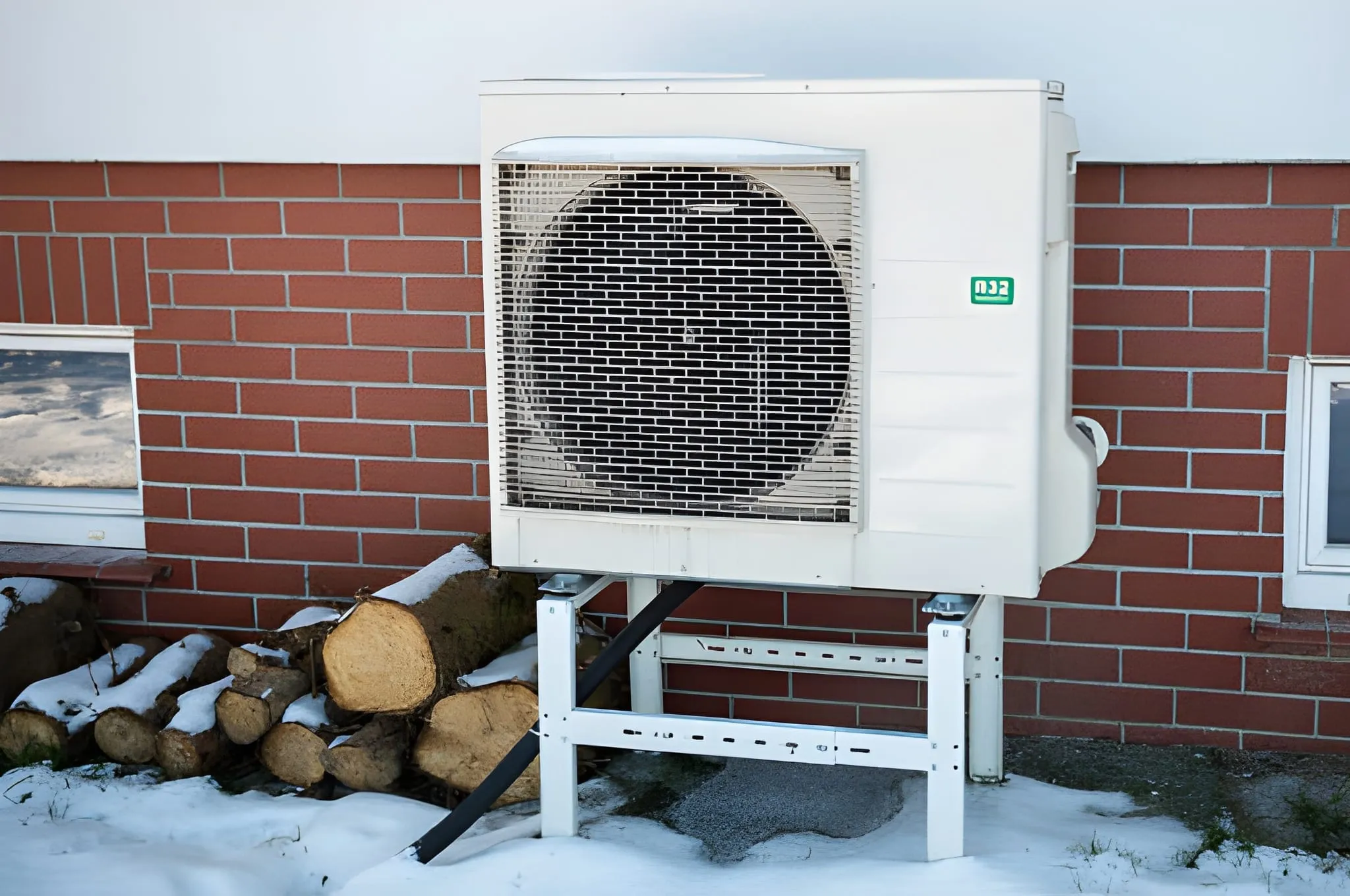
Why replace your heat pump now? Common signals include rising utility bills, frequent repairs, inconsistent temperatures, strange noises, and systems that use legacy refrigerants no longer supported by modern parts. A properly planned replacement improves comfort, reduces humidity issues that can lead to mold, and often delivers substantial energy savings when a high-efficiency system replaces an older unit.
Common heat pump problems in Orlando homes
- Age and wear: Many heat pumps last 10 to 15 years, but Orlando heat and humidity accelerate wear. Older compressors, fan motors, and coils become inefficient.
- Refrigerant phase-out: Older units using discontinued refrigerants can be costly or impossible to service.
- Frequent repairs: When repair costs start adding up, replacement often becomes the more economical long term choice.
- Insufficient cooling capacity: Undersized or poorly performing systems struggle during peak summer days, leading to comfort complaints.
- Poor humidity control: Units that short cycle or lack variable-speed components cannot effectively remove humidity in Orlando’s humid climate.
- Corrosion and outdoor-unit damage: Coastal salt air and high humidity can corrode coils and electrical connections.
- Inefficient energy use: Older units with low SEER and HSPF ratings consume much more energy than modern systems.
Types of heat pump replacement projects we handle
- Full system replacement: Outdoor unit, indoor air handler or coil, and matching controls.
- Outdoor unit swap with coil match: When the indoor coil is still acceptable, a matched outdoor replacement may be possible.
- Convert to modern heat pump technology: Replace single-stage units with variable-speed inverter heat pumps for better comfort and humidity control.
- Ductwork upgrades and air sealing: Replace or repair ducts, add insulation, and balance airflow for system performance.
- Ductless mini-split replacements: Add or replace ductless systems for rooms or additions where ductwork is impractical.
- Retrofit for high-efficiency systems: Upgrade to high-SEER and HSPF equipment to lower operating costs.
- Whole-home system replacements during remodels or after storm damage.
Each replacement project begins with a careful assessment to determine the correct approach for your home and comfort objectives in the Orlando climate.
Home load assessment and proper system sizing
A correct heat pump starts with proper sizing. Oversized systems short cycle and fail to remove humidity; undersized systems run constantly and struggle on hot days. Van Eddies Heating & Air Conditioning follows a systematic sizing process that includes:
- Manual J load calculation: We account for square footage, ceiling height, insulation levels, window types and orientation, number of occupants, internal heat gains from appliances, and local Orlando weather patterns. This determines the precise heating and cooling load for your home.
- Duct evaluation with Manual D considerations: Duct condition, leakage, and layout affect the effective capacity delivered to living spaces. We inspect for leaks, improper sizing, and poor insulation.
- Equipment placement and airflow planning: We evaluate outdoor unit clearance, condenser placement relative to prevailing winds and salt spray, and indoor coil and air handler locations for optimal airflow.
- Electrical and structural checks: Verify service panel capacity, breaker sizing, and mounting pad or rooftop supports as needed.
- Humidity considerations: Orlando’s high humidity alters load calculations slightly because latent loads matter for comfort. Appliances with variable speed operation often perform best.
This thorough diagnostic phase ensures the selected heat pump matches your home’s needs, not just nominal tonnage.
Understanding SEER and HSPF: efficiency explained
- SEER (Seasonal Energy Efficiency Ratio) measures cooling efficiency over a season. Higher SEER numbers indicate better cooling performance per unit of energy.
- HSPF (Heating Seasonal Performance Factor) measures heating efficiency for heat pumps. A higher HSPF means lower energy use in heating mode.
- Matching SEER and HSPF to usage: In Orlando, cooling dominates energy use, so SEER is often the primary focus. However, modern heat pumps also offer improved HSPF which helps during cooler spells and provides better overall efficiency across seasons.
- Variable-speed and inverter technology: These systems modulate compressor output and fan speeds to match demand. That modulation reduces short cycling, improves humidity control, and often delivers the best year-round efficiency.
- Real-world performance versus rated numbers: SEER and HSPF are standardized test metrics. Real-world savings also depend on installation quality, ductwork condition, and thermostat strategy.
When comparing models in Orlando, look beyond headline SEER numbers to features such as variable-speed compressors, multi-stage operation, enhanced coil design, and corrosion-resistant coatings for outdoor units.
Selecting the best energy-efficient model for Orlando
Factors Van Eddies Heating & Air Conditioning considers when recommending a model:
- Local climate performance: Choose systems with strong cooling performance, good humidity removal, and robust heat pump operation for occasional cooler weather.
- Inverter-driven compressors: These provide smoother operation, better humidity control, and improved efficiency during part-load conditions common in Orlando.
- Corrosion resistance: For homes in coastal or high-humidity areas, outdoor coils with protective coatings and corrosion-resistant cabinet designs improve longevity.
- Matched systems: The outdoor unit and the indoor coil/air handler should be properly matched to deliver rated efficiency and performance.
- Filtration and indoor air quality: Consider systems that support enhanced filtration or whole-house IAQ components to manage pollen, dust, and mold risk in humid climates.
- Warranty coverage: Evaluate manufacturer warranties on compressors, coils, and parts, and the availability of labor warranties.
Van Eddies Heating & Air Conditioning helps homeowners weigh these choices based on comfort goals, long-term efficiency priorities, and maintenance considerations.
Removal and disposal of old equipment
Proper removal protects your property and complies with environmental regulations. Our process includes:
- Safe refrigerant recovery: Certified technicians recover refrigerant using EPA-compliant recovery equipment. Refrigerant is handled in accordance with current regulations.
- Electrical isolation and safe disconnection: Power is isolated and labeled to prevent accidental re-energizing during removal.
- Component removal: Outdoor unit, indoor coil, air handler or furnace components, and old thermostat wiring are removed carefully to avoid damage to ducts or home finishes.
- Responsible disposal: Metal, plastic, and electrical components are recycled or disposed of following local codes and environmental standards.
- Site cleanup: Work areas are cleared of debris and left ready for the new equipment installation.
This approach minimizes environmental impact and ensures a clean transition to your new system.
Step-by-step installation process
A typical installation follows these phases. Each step is completed with attention to code compliance and best practices for Orlando conditions.
Pre-install inspection and permits
- Verify load calculations, confirm equipment selection, and secure any required permits.
- Schedule any needed electrical upgrades or pad/curb work.
Site preparation
- Prepare outdoor pad or platform, ensuring stable, level mounting and adequate clearance for airflow.
- Protect landscaping and finished spaces with coverings and drop cloths.
Disconnect and remove old system
- Recover refrigerant, disconnect electrical and refrigerant lines, and remove outdoor and indoor components as needed.
Ductwork and airflow corrections
- Repair or replace damaged duct sections, insulate poorly insulated ducts, and seal leaks to prevent energy loss.
- Adjust register locations or dampers for even airflow distribution.
Install new indoor component
- Install the new air handler or indoor coil, mount correctly, and ensure proper condensate drainage and access for service.
Install new outdoor unit
- Mount the outdoor unit on the prepared pad, connect refrigerant lines, and ensure proper refrigerant line insulation.
- Secure unit against wind and consider corrosion protection in coastal or salt-exposed areas.
Evacuate and charge refrigerant system
- Evacuate to specified vacuum levels, perform leak checks, and charge refrigerant according to manufacturer specifications and current refrigerant type.
Electrical connections and controls
- Connect to service panel, verify breaker sizing, and wire thermostat and controls, including communicating thermostats if applicable.
Startup and performance testing
- Verify operating pressures, temperatures, airflow, and electrical draw.
- Test defrost cycles, heating operation, and variable-speed response if applicable.
- Measure static pressure and adjust blower settings as needed.
System commissioning and homeowner orientation
- Explain thermostats, filters, and basic operation to the homeowner.
- Provide maintenance recommendations and warranty documentation.
Typical timeline for a standard single-family heat pump replacement is one full business day to complete removal and installation and final testing. Complex projects that include duct replacement, structural modifications, or custom mounting may require two to four days.
Warranty, maintenance, and financing options
Understanding warranty and maintenance matters before replacement helps protect your investment.
- Manufacturer warranties: Most new heat pumps include separate warranties for compressors, parts, and sometimes coils. Compressor warranties are often longer than parts warranties.
- Labor warranties: Some installations include limited labor warranties from the installing contractor. Labor warranties vary by provider and are typically conditional on using certified installers and following recommended maintenance schedules.
- Transferable warranties: Some manufacturer warranties are transferable to a new homeowner, which can add resale value.
- Maintenance plans: Regular annual maintenance, including coil cleaning, refrigerant checks, electrical inspection, and airflow verification, preserves efficiency and may be required to maintain warranty coverage.
- Financing options: There are multiple financing structures typically available for heat pump replacements, including installment plans and energy-efficiency loan programs. Familiarize yourself with terms, interest rates, and potential incentives in Orlando that can affect net cost.
- Manufacturer incentives and local rebates: Utility or manufacturer rebates for high-efficiency equipment can change over time. Check current programs and documentation requirements before purchase.
Van Eddies Heating & Air Conditioning reviews warranty terms and maintenance expectations with homeowners so the system remains protected and performs as intended.
Estimated timeline and factors that affect installation duration
- Standard straight swap: 1 business day for removal, installation, and testing in a typical single-family home when existing ductwork and electrical setup meet requirements.
- Ductwork replacement or major repairs: 2 to 3 business days, depending on extent of work.
- Electrical upgrades or service panel work: Additional time may be needed if permits and electrician scheduling are required.
- Structural modifications or rooftop installations: These can extend the timeline to several days, depending on crane access, roof work, or custom curbs.
- Permitting and inspections: Local permitting timelines vary and can add days to the overall project.
Clear communication about site conditions and any potential complications reduces surprises and helps set accurate expectations for project completion.
Expected energy savings after replacement
Replacing an aging heat pump with a modern, high-efficiency system typically delivers measurable energy savings. Expected outcomes include:
- Lower cooling energy: Upgrading from a much older unit to a high-SEER model frequently reduces cooling energy usage by notable percentages depending on the starting point, home envelope, and occupant behavior.
- Improved humidity control: Variable-speed systems run longer at lower speeds, removing more moisture from the air and improving perceived comfort without overcooling.
- Better temperature consistency: Properly sized, modern systems reduce hot and cold spots and shorten run times for peak demand.
- Longer-term reliability: New systems reduce frequency of service calls and the risk of mid-summer failures in Orlando’s long cooling season.
Actual savings depend on the age and condition of the replaced unit, thermostat setting habits, ductwork efficiency, and local utility rates. A combination of a high-efficiency heat pump, sealing and insulating ducts, and correct thermostat scheduling yields the best return in Orlando homes.
Factors that affect cost (what to expect without specific price numbers)
Instead of listing prices, consider these cost drivers that determine total project investment:
- Equipment efficiency and features: Higher SEER, inverter technologies, and added IAQ features increase initial equipment investment but can lower operating costs.
- Ductwork condition: Sealing, repair, or replacement adds to the scope of work but is essential for system performance.
- Electrical upgrades: Older homes may need panel or breaker upgrades to support modern equipment.
- Installation complexity: Access, rooftop or second-floor outdoor units, and structural modifications increase labor time.
- Replacement type: Full system replacements generally cost more than outdoor unit only swaps when the indoor components are acceptable.
- Permits and code compliance: Local permitting and code-mandated changes can affect the scope and timeline.
Understanding these factors helps homeowners evaluate proposals based on long-term value rather than sticker price.
Maintenance to protect your investment and maximize savings
Regular maintenance extends equipment life and maintains efficiency. Key recommendations include:
- Replace or clean filters every 1 to 3 months depending on filter type and household conditions.
- Schedule annual or biannual tune-ups that include coil cleaning, refrigerant checks, electrical inspections, and airflow testing.
- Keep outdoor unit clear of debris, vegetation, and standing water; consider a corrosion-resistant cover in coastal areas when recommended.
- Check and maintain proper thermostat programming and fan settings.
- Inspect condensate drains and pans to prevent clogs and water damage.
- Seal and insulate ductwork, particularly in attics and crawl spaces.
Consistent maintenance reduces the risk of unexpected failures during Orlando’s hottest months and preserves warranty eligibility.
Why a local Orlando specialist matters
Orlando’s climate, hurricane season, and coastal exposure create unique challenges for heat pump performance and longevity. A local HVAC provider understands:
- How high humidity and prolonged cooling seasons impact system sizing and moisture control.
- Where to place outdoor units to avoid salt spray and optimize airflow.
- Common local building envelopes and insulation issues that influence load calculations.
- Local permitting processes and inspection expectations.
Van Eddies Heating & Air Conditioning combines this local knowledge with technical expertise to deliver replacements that perform well in Orlando’s specific conditions.
Maintenance Plan
Heat Pump/ AC Tune-Up

Furnace Tune-Up
Customer Testimonials