


Heating Tune-Up in Orlando, FL
Ensure your heating system runs efficiently in Orlando's mild winters. Discover the benefits of regular tune-ups and avoid emergency repairs.



An annual heating tune-up keeps your system reliable, efficient, and safe, even in Orlando where winters are short but humidity and occasional cold snaps put stress on heating equipment. A professional tune-up finds small problems before they become breakdowns, restores peak performance for heat pumps and furnaces, improves indoor air quality, and helps lower energy use during the months you need heat.
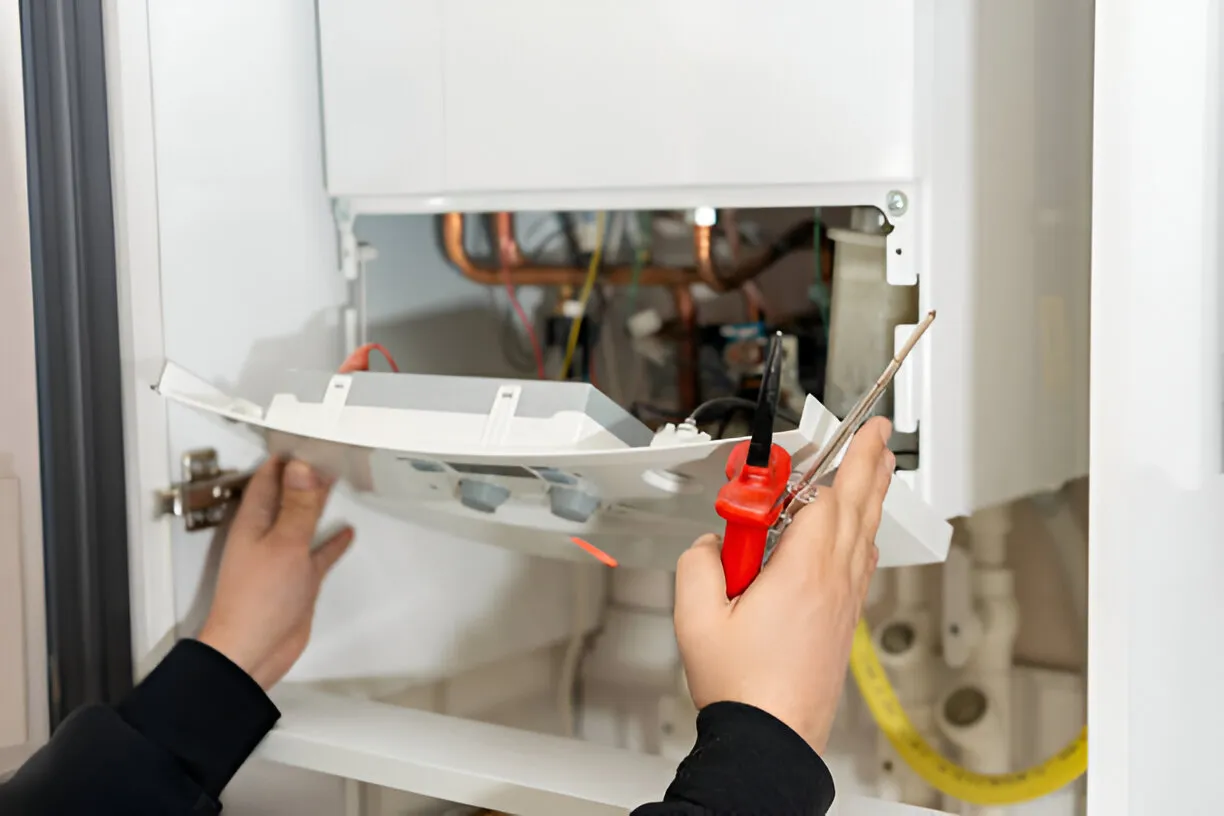
Why a heating tune-up matters in Orlando, FL
- Orlando’s mild winters mean heating systems are used intermittently. Intermittent operation can allow small issues, loose connections, dirty components, degraded seals, to go unnoticed until a cold night.
- High humidity in Central Florida increases corrosion risk and can accelerate wear on electrical components and burners.
- Heat pumps are common in Orlando; regular tune-ups maximize reversing valve performance, defrost cycles, and refrigerant efficiency.
- Timely tune-ups reduce emergency service calls during brief cold spells when contractors are busiest.
Typical seasonal tune-up checklist
A comprehensive heating tune-up in Orlando, FL should include inspection, measurement, adjustment, and cleaning tasks like these:
- Filter inspection and replacement recommendation (or replacement if included)
- Thermostat calibration and control verification
- Safety controls check (limit switches, rollout sensors, flame sensors)
- Combustion analysis for gas furnaces (CO levels, flame quality)
- Pilot or ignition system inspection and cleaning
- Heat exchanger inspection for cracks or corrosion (visual and diagnostic)
- Refrigerant level check and heat pump performance test
- Electrical system inspection: terminals, wiring, voltages, and amp draws
- Blower motor, belts, and fan inspection, lubrication as required
- Evaporator/condenser coil and drain pan cleaning for heat pumps
- Ductwork visual inspection and basic airflow assessment
- System cleaning: burners, burners ports, ignition assemblies, and condensate lines
- Operational test: start-up, run cycle, and shutdown sequence under load
Common heating tune-up issues in Orlando, FL
- Reduced heating output after long idle periods due to dirty filters, clogged coils, or low refrigerant in heat pumps.
- Intermittent ignition or pilot problems from dust, corrosion, or faulty flame sensors.
- Higher utility bills from restricted airflow, dirty coils, or failing motors.
- Short cycling in heat pumps caused by thermostat or control issues.
- Mild carbon monoxide concerns from cracked heat exchangers or inefficient combustion in older gas furnaces.
- Corrosion of outdoor components from humid coastal air, causing electrical shorts or reduced compressor life.
Diagnostic and service process (what to expect)
A clear, professional tune-up follows a methodical process to diagnose issues and restore system health:
- Pre-inspection: Technician reviews system age, any recent issues, and the home’s heating patterns to focus diagnostics.
- Safety checks: Power shutoff verification, visual inspection of combustion areas, and testing of safety interlocks.
- System cleaning: Remove debris, clean burners or coils, clear condensate lines, and change or verify filters.
- Mechanical and electrical checks: Tighten electrical connections, measure motor amps, inspect belts and pulleys, lubricate bearings if serviceable.
- Performance testing: Measure static pressure, airflow, temperature rise (furnaces), and refrigerant pressures (heat pumps) to evaluate efficiency.
- Combustion analysis (gas systems): Measure CO and combustion efficiency to confirm safe operation.
- Adjustments and calibration: Tune gas pressure, calibrate thermostat, adjust blower speed or fan settings to optimize comfort and efficiency.
- Recommendations: Document findings, identify items that need repair or replacement, and outline priority of needed work.
Repairs and solutions commonly addressed during tune-ups
- Filter replacement or upgrade to a higher MERV rating for better indoor air quality.
- Flame sensor cleaning or ignition component replacement to stop frequent shutdowns.
- Heat exchanger inspection and follow-up when visible concerns exist (safety priority).
- Refrigerant leak detection and repair for heat pumps, plus recharge to proper levels.
- Blower motor service or replacement when motor draws are outside normal range.
- Capacitor, contactor, and relay replacements to avoid sudden electrical failures.
- Minor duct sealing at accessible registers and plenum to improve airflow.
- Condensate drain and trap cleaning to prevent water backups and microbial growth.
Benefits of regular annual tune-ups for Orlando homes
- Increased reliability during the brief times you need heating, preventing inconvenient late-night failures.
- Improved efficiency and lower energy use when heat is required, helping offset seasonal heating costs.
- Longer equipment life by catching small wear items early and reducing strain on major components.
- Safer operation through combustion analysis, heat exchanger checks, and electrical inspections.
- Better indoor comfort and air quality by restoring proper airflow and filtration.
Seasonal timing and local recommendations
- Best time to schedule in Orlando: early fall (September to November) before local cold snaps and before technicians are in winter service demand.
- For heat pumps, consider mid-season checks to ensure smooth transition between cooling and heating modes.
- If your home relies on a gas furnace, schedule combustion and CO checks at least once a year, especially for older units.
DIY checks between professional tune-ups
- Replace or inspect filters every 1 to 3 months depending on filter type and household conditions.
- Keep outdoor equipment clear of debris, leaves, and excessive vegetation to maintain airflow.
- Verify thermostat batteries and settings before temperature drops.
- Listen for unusual noises during startup and note any system odors or visible water leaks for technician review.
How scheduling and service typically work (what you should prepare)
- Have your system type (heat pump, gas furnace), model and approximate age available.
- Note recent performance symptoms: reduced heat, cycling, unusual sounds, higher bills, or a recent service history.
- Be prepared to give a preferred service window and any access notes for the technician.
- Expect the technician to provide a service summary after the tune-up with documented findings and recommended next steps.
Maintenance Plan
Our comprehensive 21-point Tune-up maintenance plan ensures your systems run smoothly year-round, with regular check-ups and priority support.
Heat Pump/ AC Tune-Up
Our Heat Pump/AC Tune-Up ensures peak performance by cleaning coils, checking refrigerant, lubricating parts, and inspecting electrical components. This boosts energy efficiency, extends system life, prevents breakdowns, and lowers utility bills while maintaining optimal home comfort year-round.
Sign Up Today!

Check And Adjust Thermostat As Needed
Check Filter; Replace/Wash As Needed
Check Voltages
Check All Wiring And Connections
Check Starting Contractor
Check All Capacitors
Measure All Motor Amperages
Check Operation of Unit Safety Controls
Check Superheat/Hot Gas Temperature
Check Refrigerant; Charge As Needed
Check Evaporator Condition; Clean As Needed
Check For Rubbing Refrigerant Lines
Check And Clean Condenser Coil
Check Air Temperature Across Evaporator Coil
Lubricate Any Moving Parts
Check Fan Blades For Cracks
Check Condenser Temperature Rise
Check Condensate Drain Or Pump
Check Fuse Disconnects
Check Condition of Ductwork
Wax Top Of Unit
Furnace Tune-Up
Our Furnace Tune-Up optimizes heating efficiency through coil cleaning, burner inspection, airflow checks, and safety control testing. This service prevents costly repairs, enhances fuel efficiency, extends equipment lifespan, and ensures reliable warmth during cold months.
Sign Up Today!
Check And Adjust Thermostat As Needed
Check Filter; Replace/Wash As Needed
Check For Gas Leaks At Furnace
Clean Burners And Controls
Check Safety Controls; Adjust As Needed
Check Flame Sensors
Clean Equipment Interior
Check Fan Control
Check Blower Speed And Operation
Check All Wiring And Connections
Check Connection Of Flue Pipe and Draft Diverter
Check Ignition System
Check Heat Exchanger
Check Complete Furnace Cycle
Lubricate All Moving Parts
Check Pressure Switches And Vent Blower/Draft Inducer
Check Temperature Of Vent Air
Check Air Temperature Across Furnace
Check Condition Of Ductwork
Measure Carbon Monoxide
Clean Equipment Exterior
Customer Testimonials
Discover why our customers love us through their heartfelt testimonials.