



Mini Split Repair in Orlando, FL



Mini Split repair in Orlando, FL is a critical service for homeowners and businesses that rely on ductless heating and cooling year round. In Central Florida, where hot, humid summers and unpredictable storm seasons put constant demand on cooling systems, a malfunctioning mini-split can quickly reduce comfort, raise energy costs, and risk further equipment damage. Van Eddies Heating & Air Conditioning provides experienced diagnosis and repair services for all major mini-split brands, focusing on fast, accurate troubleshooting and durable repairs that restore performance and prolong system life.
Why prompt mini-split repair matters in Orlando
Orlando homes experience long cooling seasons and high indoor humidity. Mini-split systems run more hours than in milder climates, increasing wear on compressors, fans, and electrical components. Moisture, pollen, and occasional heavy rains can accelerate coil fouling, clog drain lines, and introduce corrosion. Power fluctuations during summer storms can damage electronics and sensors. Timely mini-split repair in Orlando prevents small faults from turning into compressor failures, refrigerant contamination, or costly replacements. It also helps maintain energy efficiency and indoor air quality in homes and small commercial spaces across the region.
Common mini-split problems in Orlando homes
Understanding common failure modes helps homeowners recognize issues early. Typical mini-split problems Van Eddies Heating & Air Conditioning technicians diagnose and repair include:
- Loss of cooling or heating performance
- Weak airflow from wall or ceiling units
- Inadequate temperature change between supply and return
- Intermittent operation or short cycling
- Refrigerant leaks and low refrigerant charge
- Hissing sounds or oil stains around connections
- System running but not reaching set temperature
- Frozen evaporator coil or ice buildup
- Compressor and outdoor unit faults
- Outdoor compressor failing to start or repeatedly tripping
- Loud or unusual noises from the outdoor unit
- Motor overheating or burned wire smell
- Fan motor and blower problems
- Indoor blower not spinning or running slow
- Vibrations or rattling from indoor or outdoor fans
- Fan capacitor failure
- Control board or electronic control failures
- Display or remote control not responding
- Error codes or communication faults between indoor and outdoor units
- Intermittent locks out or defrost control issues in heat pump models
- Faulty sensors and thermostats
- Wrong temperature readings preventing correct cycling
- Ambient sensor or suction line sensor failure
- Remote-sensor alignment issues
- Drainage, condensation and indoor humidity issues
- Clogged condensate drain or pan overflow
- Water leaks staining walls or ceilings
- High indoor humidity despite normal cooling
- Unusual noises and vibration
- Grinding, squealing, or banging indicating mechanical failure
- Refrigerant flow noises that suggest restriction or metering device faults
- Power and electrical issues
- Tripped breakers, blown fuses, or loose wiring connections
- Capacitor failures, contactor faults, or degraded wiring from UV exposure
Each of these problems presents differently. Local climate, system age, and installation quality all influence frequency and symptom patterns in Orlando homes.
How technicians diagnose mini-split problems
A professional diagnostic process is essential to avoid unnecessary parts replacement and to target the root cause. Van Eddies Heating & Air Conditioning follows a structured diagnostic routine for mini-split repair in Orlando, FL:
System history and symptom intake
- Confirm model, installation age, recent service history, and operating patterns
- Identify when symptoms began, environmental triggers, and any recent storms or power events
Visual inspection
- Inspect indoor and outdoor units for damage, oil stains, debris, and obvious loose or burned wiring
- Check filters, coil cleanliness, drain lines, and mounting integrity
Electrical checks
- Verify power supply, breaker and disconnect state, and correct voltage at units
- Test capacitors, contactors, motors, and control boards with proper meters
Refrigerant and pressure checks
- Attach gauges and thermometers to measure suction and discharge pressures
- Check superheat and subcooling to identify undercharge, overcharge, or restriction
Airflow and mechanical inspection
- Measure airflow and verify blower motor operation and fan blade condition
- Inspect compressors for unusual vibration or oil leaks
Control and communication testing
- Read error codes and run diagnostic modes if supported by the manufacturer
- Check communication wiring between indoor and outdoor units and remote sensor function
Moisture and drainage assessment
- Verify condensate removal paths, look for blockages, and inspect drain pan condition
Test operation and verification
- Run the system under load to reproduce symptoms and confirm performance after any corrective adjustments
This step-by-step approach reduces guesswork and ensures repairs address the actual cause rather than surface symptoms. Orlando conditions mean moisture-related faults and refrigerant issues are common, so pressure and drainage tests receive special attention.
Typical mini-split repairs and parts used
Repairs range from simple component replacements to refrigerant recovery and compressor service. Common repair procedures include:
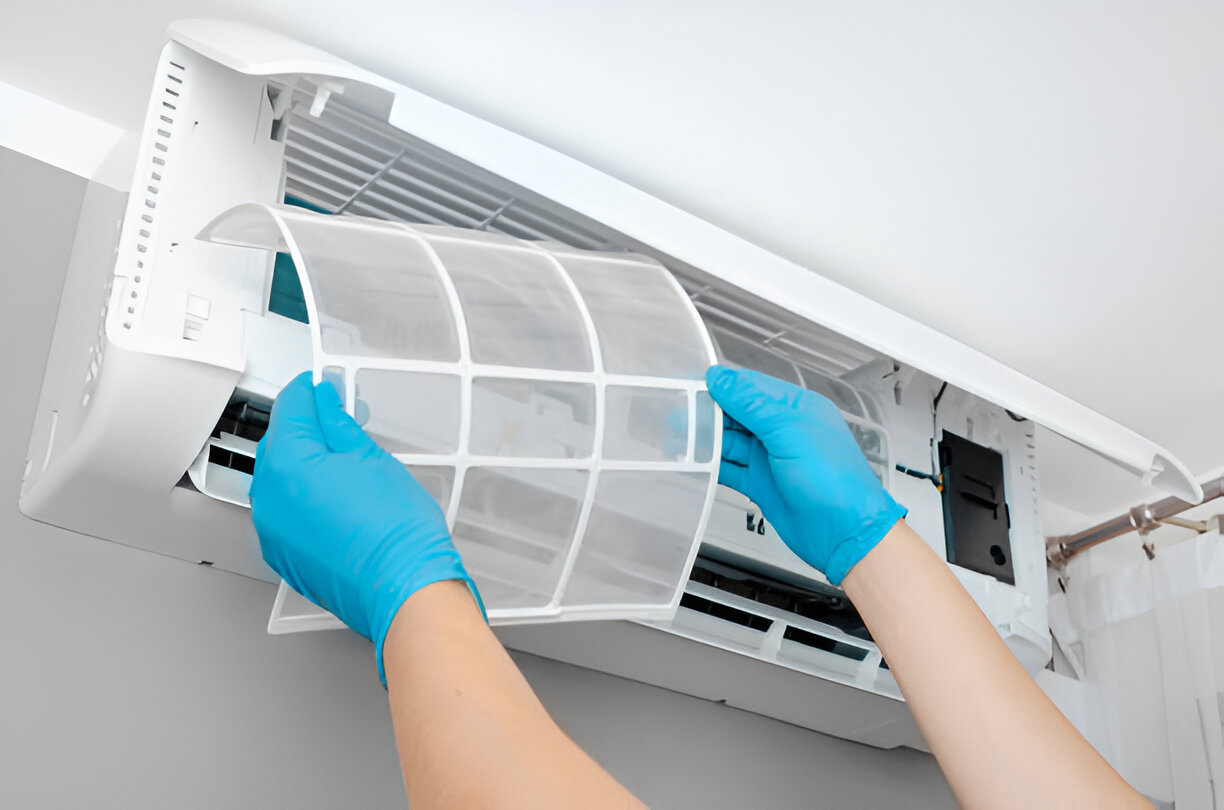
- Filter and coil cleaning
- Cleaning or replacing washable filters and removing debris from indoor coils
- Chemical coil cleaning when necessary to restore heat transfer
- Drain line clearing and condensate pan service
- Clearing clogs with mechanical or hydro-jet methods
- Replacing damaged drain hoses, installing auxiliary condensate pumps where necessary
- Electrical and control repairs
- Replacing failed capacitors, contactors, relays, and control boards
- Repairing or replacing damaged wiring, terminal blocks, and fuses
- Fan and motor replacement
- Replacing indoor blower motors, fan blades, or outdoor condenser fans
- Balancing and re-securring fan assemblies
- Refrigerant leak detection and repair
- Locating leaks using electronic detectors, UV dye, or bubble testing
- Repairing brazed joints, replacing valves or defective components, and pressure-testing the system
- Refrigerant recovery and recharge
- Recovering refrigerant per regulations, evacuating, vacuuming, and recharging to manufacturer specifications
- Using correct refrigerant type and verifying charge by superheat/subcooling
- Compressor replacement and outdoor unit repairs
- Replacing compressor assemblies when necessary and following safe evacuation and drying procedures
- Replacing motor start devices and performing proper burn-in checks
- Sensor and thermostat replacements
- Replacing faulty temperature sensors, receiver modules, or remote control receivers
- Calibrating sensors after replacement
- Circuit board reprogramming and communication repairs
- Updating or replacing PCB modules with OEM parts to restore full functionality
- Repairing communication harnesses between indoor and outdoor units
Quality replacement parts and correct repair techniques matter for system longevity. Wherever possible, Van Eddies Heating & Air Conditioning uses OEM components or manufacturer-approved replacements to maintain compatibility and performance. When non-OEM parts are used, technicians evaluate long-term reliability and compatibility and document reasons for the choice.
Expected timelines for diagnostics and repairs
Timelines vary based on the complexity of the fault and parts availability. Typical windows for mini-split repair tasks in Orlando:
- On-site diagnosis and basic fixes: same day to 24 hours
- Visual inspections, electrical resets, filter/coil cleanings, and minor component swaps
- Refrigerant leak detection and minor leak repair: 24 to 72 hours
- Locating leaks, repairing accessible fittings, and handling recovery and recharge
- Motor, PCB, or sensor replacement: 24 to 48 hours
- Most common control parts are replaceable quickly if in stock
- Compressor or major outdoor component replacement: 48 hours to several days
- Compressor changeouts require parts ordering, system evacuation, and careful recharging and testing
- Extensive damage or retrofit repairs: multiple days up to one week
- Significant corrosion, inaccessible linesets, or units with discontinued parts may require additional planning
Factors that affect timelines in Orlando include part availability for specific brands and models, severity of storm-related damage, and scheduling demand during peak summer months. Van Eddies Heating & Air Conditioning technicians prioritize accurate diagnostics to minimize repeat visits and ensure repairs are done right the first time.
Warranty and OEM-part information
Using OEM parts and following manufacturer repair guidance helps preserve equipment warranties and maintain performance. Key points about warranties and parts for mini-split repair:
- Manufacturer warranty coverage varies by component and is often conditional on proper installation and maintenance. Compressor warranties are commonly longer than parts or labor coverage.
- Using OEM components typically preserves manufacturer warranty coverage. Non-OEM parts may affect warranty status on some systems.
- Labor warranties depend on the service provider and the type of repair performed. Many reputable repair services offer limited labor guarantees for a period after repair.
- For systems under factory or extended warranty, technicians should verify claim procedures and required documentation before performing major repairs to avoid out-of-pocket expense surprises.
When a repair involves parts that are no longer manufactured or a model that has been discontinued, technicians will document options and recommend compatible, reliable alternatives while explaining the potential impact on warranty and long-term performance.
Emergency service and scheduling details
In Orlando, weather events and high seasonal usage increase the need for timely repairs. Emergency considerations specific to mini-split repair include:
- Priority response for systems that impact habitability
- Systems that are the primary cooling source in occupied homes or essential commercial spaces often receive priority scheduling
- Common emergency triggers
- Complete compressor failure on a 95 degree afternoon
- Major refrigerant leak with visible oil and water damage
- Electrical faults causing repeated breaker trips or smoke smell
- Typical emergency procedures
- Safe shutdown and isolation of the affected circuit to prevent further damage
- Temporary measures to restore cooling where feasible (such as replacing a capacitor or motor) while long-term repairs are arranged
- Documentation of immediate risks and recommended next steps
- Scheduling windows and peak demand
- Summer months bring higher demand for repair services; same-day diagnostic visits may be limited during peak periods
- Technicians strive to balance emergency response with scheduled maintenance to minimize future emergency needs
Service providers in Orlando generally maintain an emergency protocol to triage issues and allocate resources based on severity. This helps reduce downtime and the risk of cascading equipment failures during high-demand periods.
Preventive maintenance to avoid future breakdowns
Preventive maintenance reduces the likelihood of inconvenient failures and keeps mini-splits operating efficiently in Orlando conditions. Routine tasks and schedules recommended include:
- Biannual maintenance visits
- Inspect, clean, and test systems before the heavy cooling season and before winter performance is needed
- Check electrical connections, capacitors, and control boards
- Monthly homeowner checks
- Clean or replace washable filters every 1 to 3 months depending on usage and indoor air quality
- Keep outdoor unit clear of debris, leaves, and grass clippings
- Condensate and drip line care
- Inspect drain lines for proper slope and clear clogs early to prevent overflows and indoor water damage
- Ensure condensate pumps are operational if used in multi-level installations
- Coil and airflow maintenance
- Clean indoor evaporator coils and outdoor condenser coils annually or more often in high-pollen seasons
- Ensure vents and louvers are not blocked and indoor units have adequate clearances
- Electrical and refrigerant inspections
- Check for loose terminals, signs of overheating, and proper refrigerant charge
- Early detection of small refrigerant leaks prevents equipment stress and environmental harm
- Seasonal control and sensor verification
- Verify sensor placement and calibration to ensure systems are not short cycling or running inefficiently
Performing these tasks can significantly extend the life of a mini-split system and reduce energy bills. Orlando-specific concerns such as high humidity, seasonal pollen, and frequent power storms make regular maintenance more important than in drier climates.
What to expect after a repair
A proper repair includes verification steps to make sure the system performs reliably:
- Test-run under load to confirm cooling and heating capacity and stable pressures
- Measurement of airflow, temperature differential, and electrical draw
- Visual inspection for leaks, vibrations, and loose fasteners
- Documentation of parts replaced, warranty coverage, and recommended follow-up
Technicians often recommend monitoring system operation for a short period after repair to catch intermittent issues early. For systems with major repairs, a follow-up inspection helps confirm long-term stability.
Why choose experienced mini-split repair technicians
Mini-split systems include refrigeration circuits, electrical control systems, and delicate electronics. An experienced technician provides:
- Accurate diagnosis that reduces unnecessary parts changes
- Proper refrigerant handling and adherence to environmental regulations
- OEM-aware repairs that preserve warranty and system compatibility
- Knowledge of local Orlando conditions and how they influence failures
- Durable fixes that address root causes, not just symptoms
Van Eddies Heating & Air Conditioning combines years of local service experience with practical diagnostics to deliver reliable mini-split repair in Orlando, FL. Our approach emphasizes long-term reliability and system efficiency in a climate that places high demands on cooling equipment.
Maintenance checklist for Orlando mini-split owners
A simple checklist helps homeowners keep mini-splits in top condition between professional visits:
- Check and clean filters every 1 to 3 months
- Keep outdoor unit area clear within 2 feet for airflow
- Inspect condensate drain visually for any standing water
- Listen for unusual noises during startup and operation
- Watch for water stains or damp smells near indoor units
- Note any increase in energy use or runtime without improved comfort
- Schedule a professional inspection before the hottest months
Following these steps reduces emergency repair risk and helps spot issues when they are easiest and least expensive to fix.
Maintenance Plan
Heat Pump/ AC Tune-Up

Furnace Tune-Up
Customer Testimonials