



Mini Split Installation in Orlando, FL



Mini Split installation in Orlando, FL provides a flexible, efficient way to cool and heat individual rooms, additions, or whole homes without extending or modifying existing ductwork. For homeowners facing high summer humidity, variable occupancies, or spaces that central systems struggle to serve, a properly engineered ductless Mini Split can deliver consistent comfort, lower energy use, and precise zone control. Van Eddies Heating & Air Conditioning brings decades of local experience to every Mini Split installation, combining careful site assessment, correct equipment selection, and code-compliant installation practices tailored to Orlando homes and climates.
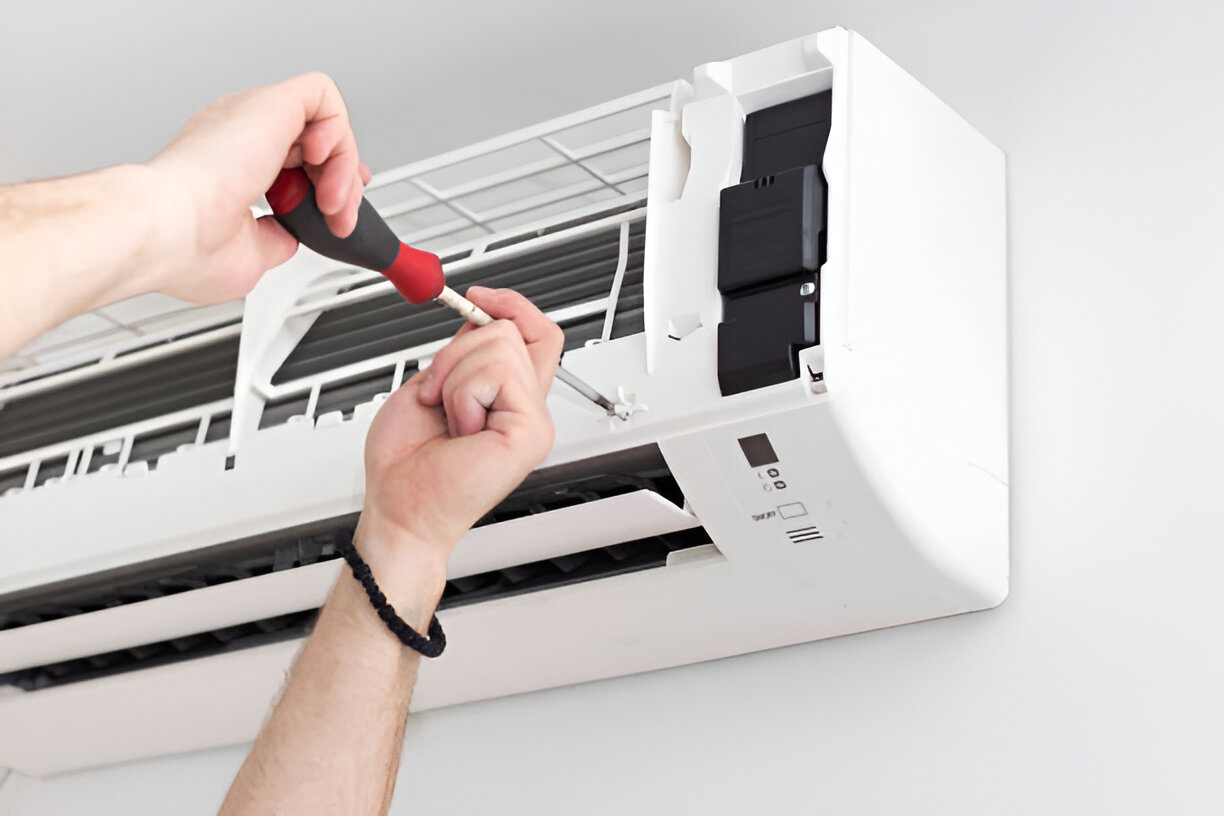
Why choose a mini-split system for Orlando homes
Florida winters are mild but Orlando summers are long, hot, and humid. That combination makes efficient, targeted cooling a priority. Mini-split systems offer several advantages for Orlando homeowners:
- Precise zone control for bedrooms, home offices, additions, garages, and sunrooms, reducing wasted cooling in unoccupied areas.
- High efficiency from inverter-driven compressors and modern refrigerants that improve seasonal performance during long cooling seasons.
- No need for ductwork, avoiding duct losses, mold growth in duct systems in humid climates, and the cost of retrofit duct installations.
- Flexible installation options for historic homes, condos, or remodels where adding ducts is impractical.
- Quiet indoor units and minimal outdoor footprint, helpful in dense neighborhoods and HOA-regulated yards.
Because Orlando’s humidity can drive indoor comfort issues even when temperature is controlled, proper equipment sizing and drainage strategies are essential. Van Eddies Heating & Air Conditioning factors local climate conditions, sun exposure, and building construction into every recommendation.
Common mini-split applications in Orlando
Orlando homes often use mini-splits in these scenarios:
- Room additions, converted garages, or in-law suites without existing ducts
- Older homes with limited or leaky duct systems
- Master bedrooms and home theaters for quieter, more precise comfort
- Multi-zone systems for new construction with varied occupancy
- Supplementing central systems to reduce load or provide backup cooling
- Coastal or near-coastal properties where elevated outdoor unit mounting and corrosion-resistant components are beneficial
Understanding the specific use case drives the design steps that follow, from load calculations to final commissioning.
Initial consultation and site assessment
A successful mini-split installation begins with an on-site consultation and detailed site assessment. During this visit, Van Eddies Heating & Air Conditioning technicians will inspect and document:
- Building orientation, roof overhangs, and window exposure that affect solar gains
- Insulation levels in walls and ceilings, and the presence of thermal bridging
- Existing mechanical systems and electrical capacity
- Preferred indoor unit locations, aesthetic concerns, and noise sensitivity
- Outdoor unit placement options, elevation concerns, and HOA or neighborhood restrictions
- Drainage routing for condensate and potential challenges with slab or pier foundations
The site assessment also identifies any structural or clearance issues that influence bracket selection, line-set routing, and conduit paths. In Orlando, it is common to recommend outdoor units placed above potential flood elevations and protected from direct sun to maximize longevity and seasonal performance.
Load calculations and equipment selection
Accurate load calculations are the foundation of an efficient mini-split system. Sizing by rule of thumb often leads to undersized equipment that runs constantly or oversized equipment that short cycles and fails to dehumidify properly. The process includes:
- Performing a room-by-room heat gain and loss calculation using industry-standard methods
- Considering internal loads such as appliances, occupancy, and lighting
- Accounting for Orlando-specific solar gains and humidity impacts
- Adjusting for window types, shading, and ventilation
Equipment selection follows the load results and considers:
- Single-zone vs multi-zone outdoor units based on the number of rooms to be served
- Inverter-driven compressors for variable capacity and improved humidity control
- SEER and HSPF ratings appropriate for Florida climate goals and long-term energy savings
- Refrigerant type and availability, favoring modern refrigerants with lower global warming potential
- Corrosion-resistant finishes and marine-grade protections for coastal areas
Van Eddies Heating & Air Conditioning recommends equipment that matches the calculated loads, provides headroom for extreme Orlando heat days, and balances upfront cost with long-term operating efficiency.
Recommended indoor and outdoor unit placement
Placement affects comfort, performance, and aesthetics. Best practices for Orlando installations include:
Indoor units:
- Mount high on interior walls for optimal air distribution, avoiding direct sunlight and heat sources
- Position to allow unobstructed airflow across the room and to avoid blowing directly on beds or seating if possible
- Provide access for filter cleaning and routine maintenance
- Consider multi-position cassettes or low-profile wall mounts in rooms with limited wall space
Outdoor units:
- Place on a level pad or wall bracket at an elevation that protects against standing water or minor flooding
- Provide clearance for airflow and maintenance access, and ensure the unit is shaded when possible to reduce heat soak
- Use hurricane-rated brackets or straps where required by local code or where high winds are a risk
- Allow for easy refrigerant line routing to minimize bends and improve efficiency
Strategic placement improves dehumidification performance, critical in Orlando where moisture control is as important as temperature control.
Step-by-step installation procedures
A professional mini-split installation follows a systematic sequence that ensures safety, performance, and code compliance. Typical installation steps performed by Van Eddies Heating & Air Conditioning technicians include:
Pre-install preparation:
- Confirm final equipment, accessories, and required permits
- Verify electrical service and circuit capacity
- Protect work areas inside the home to prevent damage and dust spread
Indoor unit mounting:
- Install the mounting plate level and at the recommended height
- Create a discreet hole through the wall (commonly 2 to 3 inches) for the line set, drain, and control wiring, positioned with a slight slope for condensate drainage where applicable
- Secure the indoor unit and confirm stable mounting and clearances
Outdoor unit mounting:
- Set the outdoor unit on a concrete pad or secure wall bracket, ensuring solid support and correct elevation
- Fasten units against vibration with isolation pads or brackets to reduce noise transmission
- Install hurricane straps or anchors if required by local conditions or code
Refrigerant line installation:
- Run insulated copper line sets with minimal bends and proper support
- Use soft-start techniques or appropriate brazing for clean, leak-free joints
- Insulate suction lines thoroughly to prevent condensation and thermal loss
Electrical connections:
- Install a dedicated circuit and disconnect per local code and manufacturer instructions
- Connect the outdoor unit to the main service and indoor unit wiring according to wiring diagrams
- Ground equipment properly and install surge protection options if specified
Condensate management:
- Route condensate lines with a consistent downward slope to a safe drainage point
- Install primary and secondary drains where local code requires or where the indoor unit is located above living space
- When necessary, include condensate pumps in installations where gravity drainage is not possible
System evacuation and refrigerant handling:
- Evacuate the refrigerant lines and indoor coil to the proper vacuum level to remove air and moisture
- Charge the system per manufacturer specifications, correcting for line-set length and elevation changes
- Adhere to EPA and Florida refrigerant handling regulations during brazing and charging
These steps are performed with attention to detail that impacts long-term system reliability and energy performance.
Permit and code considerations in Orlando
Permitting and code compliance are essential parts of mini-split installation in Orlando, FL. Key points include:
- Florida Building Code compliance for structural, electrical, and mechanical elements
- Local permitting through City of Orlando, Orange County, or other municipal building departments depending on location
- Electrical work must meet the National Electrical Code and local amendments; installations often require a separate electrical permit
- Hurricane tie-downs, clearances, and anchoring may be required in certain neighborhoods or for elevated units
- Condensate disposal must comply with local codes; some jurisdictions restrict discharge to storm drains or require connection to sanitary sewer in certain circumstances
- Proper labeling of circuits, equipment, and refrigerant piping for inspection
Van Eddies Heating & Air Conditioning ensures permits are secured and work is ready for inspection, documenting installations to meet city or county requirements and to protect homeowner warranties.
Commissioning and performance testing
Commissioning verifies that the system performs as designed in Orlando’s climate conditions. Standard commissioning tasks include:
- Verifying correct refrigerant charge and superheat/subcooling per manufacturer specifications
- Measuring supply and return temperatures and airflow to confirm proper air distribution
- Checking electrical loads and amperages against nameplate ratings
- Testing defrost cycles, reversing valve operation (for heat pump models), and backup heat if present
- Confirming condensate drainage under operating conditions and checking secondary drain protection
- Running the system through multiple modes and setpoints to identify any control or sensor issues
A documented commissioning report helps homeowners understand system performance and serves as a baseline for future service.
Smart thermostat and integration options
Modern mini-split systems can integrate with smart controls and whole-home systems for improved usability and efficiency. Options to consider:
- Manufacturer smart controllers that provide remote access, scheduling, and energy usage tracking
- Third-party smart thermostats or home automation systems that support mini-split communication protocols, when compatible
- Zone scheduling to align cooling with occupancy patterns and reduce energy use during unoccupied hours
- Integration with humidity sensors to optimize dehumidification in Orlando’s humid climate
- Wi-Fi and app-based controls for remote monitoring, which can help manage conditions during vacations or between occupants
When integrating smart controls, Van Eddies Heating & Air Conditioning ensures compatibility, secure network setup, and practical user guidance during the post-installation walkthrough.
Post-installation customer walkthrough and warranty information
A thorough walkthrough at project completion ensures homeowners understand system operation and care. Key topics covered during the walkthrough:
- How to operate indoor and remote controls, including modes, fan speeds, and defrost behavior
- Routine filter cleaning or replacement intervals and how to access filters
- Condensate care and signs of drainage problems to watch for
- Recommended maintenance schedule for peak efficiency and longevity
- Overview of warranty coverage: equipment manufacturer warranties and workmanship guarantees
- Documentation provided: equipment serial numbers, commissioning report, and permit/inspection records
Manufacturer warranties vary by brand and model; common manufacturer coverage includes sealed-system and compressor protections for specific durations, and parts warranties that may range several years. In addition, Van Eddies Heating & Air Conditioning documents workmanship coverage for installations it performs, including clarity on what is covered, registration requirements, and routine maintenance expectations to preserve warranty validity.
Common issues after installation and how they are resolved
Even with a proper installation, a few issues can arise. Being prepared helps reduce downtime:
- Insufficient dehumidification: Often due to oversized equipment short cycling. Resolution may include revisiting controls, adjusting settings, or recommending multi-stage or inverter units sized to actual load.
- Dripping or condensate backups: Usually caused by improper drain slope, clogged condensate lines, or missing secondary drains. Solutions include re-routing drains, installing condensate pumps, or adding secondary safety switches.
- Unusual noises: Can originate from vibration between mounting surfaces, loose components, or improper bracket isolation. Technicians check fasteners, add isolation pads, and verify unit mounting.
- Refrigerant leaks or low charge: Detected during commissioning or later service. Repairs require locating and repairing leaks, evacuating and recharging the system according to regulations.
- Control communication issues: Typically wiring or network setup problems that are resolved by verifying connections, updating firmware, or ensuring compatibility with smart devices.
A proactive maintenance plan and timely attention to early signs of problems keep systems efficient and extend service life.
Maintenance best practices for Orlando climates
Orlando’s humid environment and frequent storms make regular maintenance particularly important. Recommended practices include:
- Clean or replace indoor filters monthly during heavy use periods and at least quarterly otherwise
- Inspect outdoor unit for debris, vegetation, and corrosion; keep at least 2 feet of clearance around the unit
- Check condensate drains and traps seasonally and after storms
- Confirm electrical connections and tighten as part of an annual service visit
- Have a trained technician perform an annual tune-up to check refrigerant charge, measure electrical loads, test controls, and inspect for corrosion or mechanical wear
Regular maintenance preserves efficiency, helps maintain manufacturer warranty conditions, and prevents small issues from escalating into costly repairs.
Why professional installation matters
Mini-split systems require precision in design and installation to meet performance expectations, especially in a climate like Orlando’s. Professional installation matters because:
- Proper load calculations prevent oversizing or undersizing and address humidity control
- Correct refrigeration handling, brazing, evacuation, and charging protect system efficiency and service life
- Permits and code compliance shield homeowners from inspection rework and legal issues
- Proper mounting, electrical installation, and drainage strategies reduce the risk of damage from storms and humidity
- Expert commissioning validates system operation and establishes a performance baseline
Van Eddies Heating & Air Conditioning combines local knowledge, licensed technicians, and documented procedures to deliver installations that meet Orlando weather challenges and homeowner expectations.
Long-term benefits of a correctly installed mini-split
When installed correctly and maintained, mini-splits offer long-term advantages that are particularly relevant to Orlando residents:
- Improved comfort with better temperature and humidity control in a humid subtropical climate
- Lower energy consumption when properly sized and paired with inverter technology
- Reduced strain on existing central systems, extending their lifespan
- Enhanced indoor air quality by eliminating duct-related contaminants in ductless installations
- Increased flexibility for additions, multi-family living, and mixed-use spaces without new ductwork
These benefits translate into better daily comfort and more predictable energy costs across Orlando’s extended cooling season.
Maintenance Plan
Heat Pump/ AC Tune-Up

Furnace Tune-Up
Customer Testimonials