



Heat Pump Service in Orlando, FL



Keeping a heat pump running smoothly in Orlando, FL means balancing high cooling demand, persistent humidity, and occasional severe weather. Van Eddies Heating & Air Conditioning brings experienced, manufacturer-aware heat pump service tailored to Central Florida homes and businesses. Whether you are scheduling preventive maintenance, troubleshooting uneven comfort, or need warranty-authorized repairs.
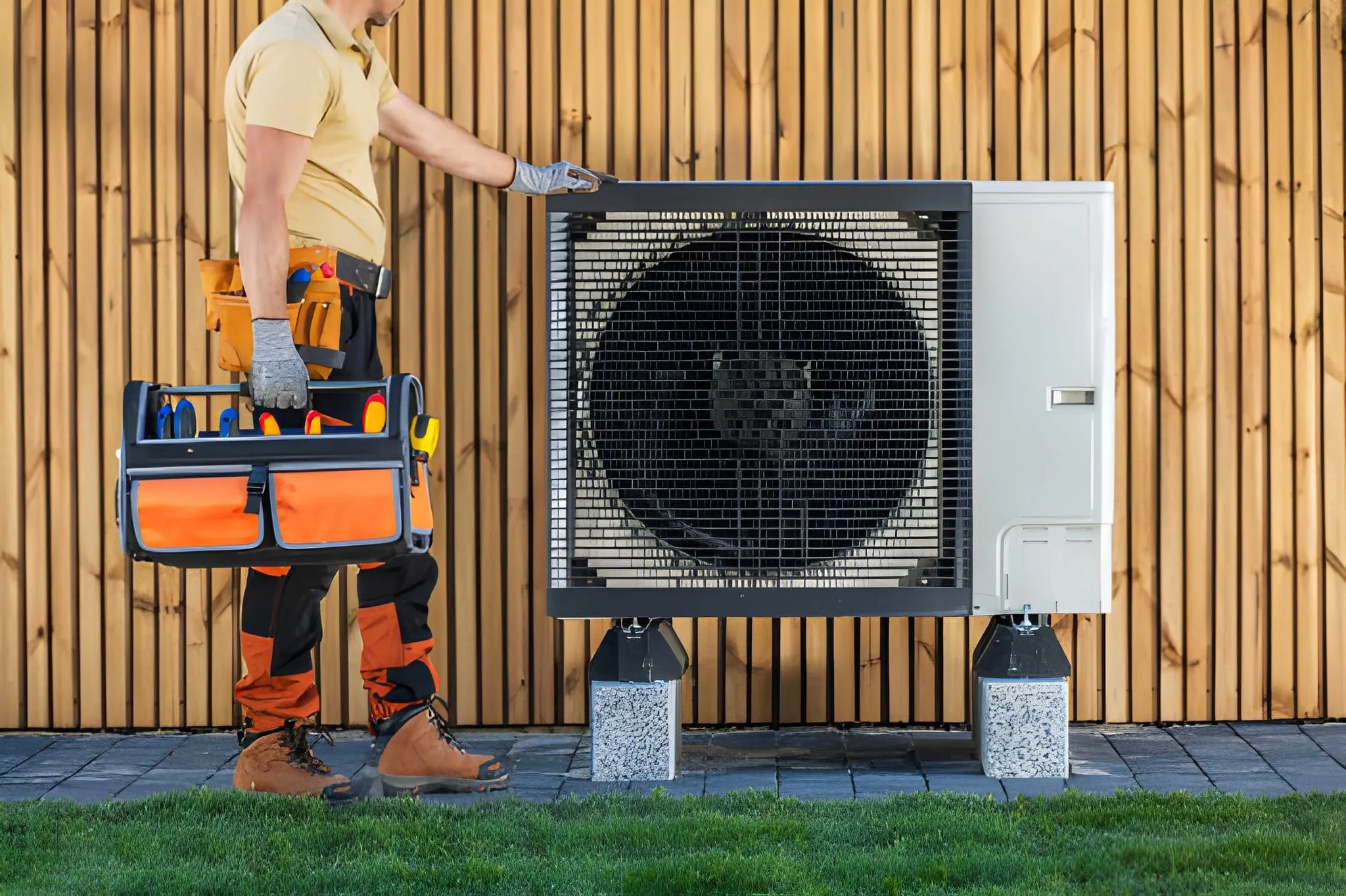
Why Professional Heat Pump Service Matters in Orlando
Orlando climates create unique stresses on heat pump systems: long cooling seasons, high humidity that increases system run-time, pollen and airborne particulates that clog filters and coils, and summer storm cycles that can cause brief power interruptions and debris damage.
Those conditions accelerate wear on outdoor coils, compressors, electrical components, and condensate drains. Timely, expert service preserves efficiency, prevents early equipment failure, and maintains reliable indoor comfort when you need it most.
Van Eddies Heating & Air Conditioning has worked in Central Florida since 1999 and understands local equipment patterns, manufacturer requirements, and common failure points here. The service approach focuses on clear diagnostics, OEM-compliant repairs, and practical performance improvements that address Orlando-specific conditions.
Common Heat Pump Issues in Orlando Homes
Poor Cooling or Long Run Cycles
Signs: Thermostat set low but home never reaches target; unit runs continuously.
Causes: Low refrigerant, dirty outdoor coil, clogged air filter, obstructed airflow, failing compressor, or reversing valve.
High Indoor Humidity or Clammy Air
Signs: Sticky feeling, condensation on windows, mildew odors.
Causes: Undersized equipment, improper fan speed, short cycling, duct leaks, or thermostat settings that prioritize temperature over dehumidification.
Uneven Temperatures Between Rooms
Signs: One room colder or warmer than another despite vents open.
Causes: Duct design issues, blocked airflow, failing zone controls, or undersized ductwork.
Freezing Outdoor Coil in Winter Mode Operation
Signs: Ice on outdoor coil, reduced heating performance.
Causes: Dirty coil, low refrigerant, failed defrost control, or poor airflow.
Short Cycling or Frequent On-Off Cycles
Signs: Unit cycles on and off too often.
Causes: Incorrect refrigerant charge, oversized unit, thermostat misconfiguration, or failing control board.
Noisy Operation or Vibration
Signs: Humming, clanking, refrigerant hissing, or outdoor unit shaking.
Causes: Loose panels, fan motor issues, compressor problems, or mounting problems after storms.
Electrical Failures and Tripped Breakers
Signs: Circuit breaker trips, unit will not start, intermittent operation after severe weather.
Causes: Bad capacitors, contactors, compressors, or lightning/surge damage during thunderstorms.
Responding early to these common issues reduces the risk of major repairs or mid-summer breakdowns.
Diagnostic Assessment: What a Professional Heat Pump Inspection Covers
A thorough diagnostic assessment isolates the root cause rather than treating symptoms.
Visual Inspection
- Check outdoor unit for debris, vegetation, damaged fins, and panel security.
- Inspect indoor air handler, drain pan, and duct access points.
Safety and Electrical Checks
- Verify proper voltage and amperage at the compressor and motors.
- Test capacitors, contactors, fuses, and relays.
Refrigerant and Pressure Testing
- Measure refrigerant pressures according to manufacturer specifications adjusted for Orlando ambient conditions.
- Look for indicators of leaks such as oil stains.
Airflow Measurement and Static Pressure
- Confirm blower performance and return air conditions.
- Inspect filters, registers, and ductwork for restrictions.
Coil and Heat-Exchanger Inspection
- Assess outdoor coil cleanliness and fin condition.
- Inspect indoor evaporator coil for dirt and refrigerant distribution.
Thermostat and Controls Validation
- Test thermostat calibration, wiring, and control logic for correct system behavior.
Condensate and Drainage Evaluation
- Ensure drain lines and pans are clear and the float switch functions correctly.
System Performance Assessment
- Compare measured temperatures and run-times to expected values and calculate delta-T.
The goal is a clear repair and maintenance plan with measurable data so homeowners understand the work needed to restore reliable system performance.
Routine Servicing: Comprehensive Heat Pump Maintenance
Regular maintenance improves efficiency and reduces breakdown risks.
Typical routine service includes:
- Replace or clean air filters.
- Clean outdoor coil fins and remove debris.
- Inspect indoor evaporator coil if accessible.
- Check refrigerant pressures and adjust to manufacturer specifications.
- Inspect electrical components such as capacitors and contactors.
- Verify compressor and fan motor operation.
- Measure airflow and blower amperage.
- Flush condensate drain lines and inspect drain pan.
- Test thermostat calibration.
- Check reversing valve operation.
- Inspect ductwork for leaks or insulation gaps.
- Verify defrost cycle operation.
- Test safety controls and auxiliary heating if equipped.
- Inspect refrigerant service valves and fittings.
- Check for refrigerant leaks using proper detection tools.
In Orlando, technicians also pay special attention to coil cleanliness, humidity management, and condensate drainage due to the region’s climate.
Minor Repairs and Component Replacement
Many service calls involve small part replacements that restore performance.
Capacitor Replacement
Why: Capacitors wear out from constant cycling.
Service: Quick field replacement with properly rated components.
Contactor Replacement
Why: Electrical contact points degrade over time.
Service: Replace contactor and test starting sequence.
Fan or Blower Motor Replacement
Why: Worn bearings or electrical faults reduce airflow.
Service: Motor replacement and airflow balancing.
Thermostat or Sensor Replacement
Why: Faulty sensors cause incorrect cycling and comfort issues.
Service: Replace device and recalibrate system controls.
Expansion Valve or TXV Service
Why: Improper refrigerant metering reduces efficiency.
Service: Replace valve and adjust refrigerant charge.
Condensate Drain Repairs
Why: Blocked drains cause shutdowns and water damage.
Service: Clean drains and install new lines or traps if required.
Using OEM or manufacturer-approved parts helps preserve reliability and warranty coverage.
Performance Optimization: Airflow, Controls, and Efficiency
Professional service also focuses on improving system performance.
Airflow Balance
Technicians measure airflow and adjust dampers or blower speed to ensure proper air distribution.
Thermostat Strategy
Smart thermostats and optimized schedules reduce unnecessary cycling and improve comfort.
Dehumidification Improvements
Lower blower speeds or whole-house dehumidifiers can significantly improve indoor comfort.
Refrigerant Charge Optimization
Precise refrigerant charge improves efficiency and protects compressor life.
Duct and Zoning Improvements
Adding return air pathways or zoning systems can improve comfort in uneven homes.
Building Efficiency Recommendations
Insulation upgrades, shading outdoor units, and sealing duct leaks reduce system load.
Indoor Comfort Troubleshooting
Common comfort complaints often reveal specific system problems.
Symptom: Rooms feel warm during cooling.
Likely causes: Low refrigerant, dirty coils, restricted airflow.
Symptom: Poor heating in winter mode.
Likely causes: Defrost failure, reversing valve issues, or auxiliary heat malfunction.
Symptom: High energy bills.
Likely causes: Dirty coils, undercharged refrigerant, motor failure, or duct leakage.
Symptom: Mildew odor.
Likely causes: Standing water in drain pan or dirty evaporator coil.
Symptom: Loud vibration or banging.
Likely causes: Loose components or failing compressor.
Humidity and pollen in Orlando can sometimes mimic mechanical problems, so professional diagnostics are important.
Manufacturer-Authorized Service and Warranty Protection
Professional servicing helps maintain warranty coverage.
Typical manufacturer-compliant service includes:
- Use of OEM or manufacturer-approved parts
- Following prescribed service procedures and specifications
- Documenting repairs and measured performance values
- Coordinating with manufacturer support for warranty claims
Proper documentation ensures warranty claims are supported and coverage remains valid.
How Customers Request Estimates or Schedule Service
Homeowners commonly schedule service through:
- Online service request forms on the company website
- Email or written estimate requests including system details and symptoms
- Service scheduling portals that track service history
- On-site estimates for complex repairs or replacements
Providing system details such as make, model, age, maintenance history, and symptoms helps technicians prepare and speeds diagnostics.
Preventive Maintenance Plan Benefits
Preventive maintenance offers several long-term advantages:
- Improved reliability during peak cooling seasons
- Extended equipment life
- Better humidity control and indoor air quality
- Lower energy consumption
- Priority service scheduling
- Early detection of potential failures
Regular maintenance is especially important before high pollen months and peak summer heat in Central Florida.
What to Expect During Professional Service Visits
A typical service visit includes:
Arrival and safety checks: Confirm system access and safety procedures.
Diagnostic testing: Measure performance and identify root causes.
Repair recommendations: Provide a clear explanation and itemized estimate if repairs are needed.
Repair execution: Perform work according to manufacturer guidelines.
Post-service verification: Test system operation and record performance measurements.
Service documentation: Provide a written report of work completed and recommended follow-up actions.
Transparency and documentation are key components of professional service.
Maintenance Recommendations for Orlando Homes
- Schedule maintenance before peak cooling season.
- Change filters frequently during pollen season.
- Keep outdoor units clear of vegetation and debris.
- Inspect ductwork insulation and leaks in attic spaces.
- Consider installing whole-house dehumidification if humidity remains high.
- Install surge protection to protect HVAC control boards during thunderstorms.
These preventative measures reduce system stress and improve long-term comfort and efficiency.
Maintenance Plan
Heat Pump/ AC Tune-Up

Furnace Tune-Up
Customer Testimonials