



Mini Split Service in Orlando, FL



Mini split systems are a popular, efficient solution for Orlando homes that need flexible cooling and heating without extensive ductwork. In Orlando’s hot, humid climate, regular professional mini-split service keeps indoor comfort steady, reduces energy use, and prevents costly mid-season failures. Van Eddies Heating & Air Conditioning brings years of field experience servicing ductless systems across Orlando and surrounding neighborhoods, combining a precise diagnostic process with maintenance practices tailored to Florida weather and household needs.
Why routine mini-split service matters in Orlando
Orlando’s climate places special demands on mini-split systems. High humidity, pollen, frequent afternoon storms, and nearly year-round cooling use can accelerate wear and reduce system performance. Routine service addresses those factors by:
- Preventing mold and microbial growth on indoor coils and drain lines that thrive in humid conditions.
- Removing pollen and dust that clog filters and impede airflow during peak allergy seasons.
- Detecting refrigerant leaks early, which otherwise lower capacity and force compressors to run harder.
- Verifying electrical components and surge protection after severe weather to avoid failures or fire hazards.
- Maintaining proper thermostatic and inverter settings for efficient operation during prolonged cooling periods.
When mini-splits are serviced regularly, owners see steadier indoor temperatures, better humidity control, and reduced chances of unexpected breakdowns during Orlando heatwaves.
Common mini-split issues in Orlando homes
Homeowners in Orlando typically encounter the following mini-split problems if maintenance is inconsistent:
- Clogged or dirty filters causing poor airflow, reduced cooling, and higher energy bills.
- Dirty indoor or outdoor coils that reduce heat transfer and lower efficiency.
- Refrigerant leaks leading to diminished cooling capacity and potential compressor damage.
- Blocked condensate drains or drain pans that cause water leaks and indoor stains or mold.
- Faulty electrical connections, failing capacitors, or worn relays that create operational instability.
- Remote control or thermostat calibration problems that lead to incorrect setpoints or short cycling.
- Outdoor unit debris, vegetation encroachment, or debris buildup from storms that reduce performance.
- Reduced inverter performance or communication faults between indoor and outdoor units.
- Uneven temperatures in multi-zone setups due to incorrect settings or zone imbalance.
Identifying these issues early through professional service prevents small problems from becoming expensive repairs.
What a professional mini-split service visit includes
Van Eddies Heating & Air Conditioning follows a systematic maintenance routine during a service visit so each mini-split unit performs reliably:
- Visual inspection of indoor and outdoor units for physical damage, debris, insect nests, and proper mounting.
- Filter cleaning or inspection; replacement recommendations if filters are damaged or heavily degraded.
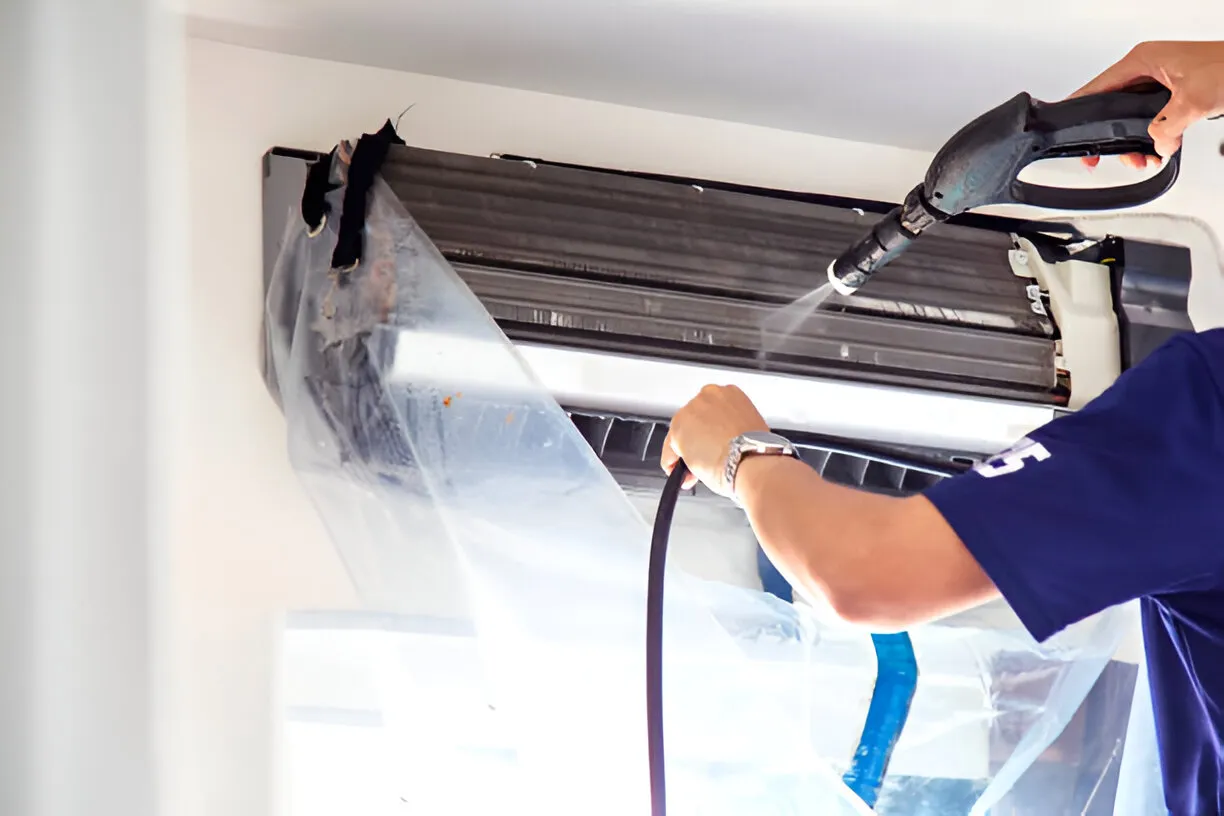
- Indoor coil cleaning using appropriate low-pressure methods and coil-safe cleaners to remove dust, pollen, and biological growth.
- Outdoor coil rinsing and debris removal to restore airflow across the condenser.
- Condensate drain and drain pan inspection and cleaning to ensure free flow and prevent overflow or microbial growth.
- Refrigerant pressure and charge verification with gauges and temperature measurements to detect leaks or under/overcharging.
- Leak detection using electronic sniffers or dye injection when indicated by pressure readings or visible oil stains.
- Electrical system check: tightening connections, testing capacitors, contactors, and breakers to ensure safe operation.
- Compressor and fan motor performance check including amp draw to compare against manufacturer specifications.
- Performance tune-up: measuring supply and return temperatures to calculate Delta T, checking airflow and setting inverter controls for optimal efficiency.
- Control system and thermostat verification: confirming proper communication between indoor heads and the outdoor compressor, recalibrating sensors where necessary.
- Vibration and noise assessment to identify mounting or fan alignment issues.
- Documentation of findings and prioritized recommendations for repairs or part replacement to restore peak performance.
Each step is performed with attention to manufacturer guidelines. Thorough documentation helps homeowners track system health and maintain warranty compliance.
Filter and coil cleaning: the foundation of reliable operation
Clean filters and coils are the most effective, low-cost ways to maintain performance:
- Filters: Mini-split filters trap pollen, dust, and pet dander. In Orlando, filters should be checked monthly during high-use months and cleaned or replaced according to manufacturer guidance. Professional cleaning removes embedded particles and checks for damage that reduces filtration effectiveness.
- Indoor coils: Coils remove heat and dehumidify air. When coils are coated with grime, cooling capacity drops and humidity control suffers. Professional coil cleaning restores heat transfer and reduces the chances of microbial growth that creates odor and health concerns.
- Outdoor coils: Outdoor condensers gather dirt, leaves, and grass clippings. Regular rinsing and brushing prevent restricted airflow and overheating that stress compressors.
Proper cleaning techniques avoid damage to delicate fins and electronics while restoring the system to near-design efficiency.
Refrigerant checks and leak handling
Refrigerant level and integrity are critical to a mini-split’s cooling performance. A professional refrigerant check includes:
- Measuring system pressures and comparing them to expected values for current ambient temperature.
- Evaluating compressor amp draw to ensure the compressor is not overworked due to low charge.
- Inspecting for signs of oil on fittings or lines that indicate potential leaks.
- Performing electronic leak detection or dye testing when pressures suggest loss of refrigerant.
- Discussing safe, code-compliant repair options when leaks are found, including proper evacuation, repair, and recharge procedures.
Because refrigerant handling requires certification and precise techniques, professional service protects the system and the environment.
Electrical and control inspections
Mini-split systems rely on sensitive electronics, inverter drives, sensors, and brazed refrigerant connections. A thorough electrical and control inspection includes:
- Tightening and inspecting all electrical connections and terminals for corrosion or overheating.
- Testing capacitors, contactors, and relays for proper operation and replacing components that show wear.
- Verifying line voltage and phase where applicable, ensuring the outdoor unit receives stable power.
- Checking the inverter module and communication lines between indoor heads and outdoor compressor for error codes and performance consistency.
- Confirming thermostat or remote sensor accuracy and recalibrating or replacing sensors if needed.
Addressing small electrical issues early reduces the risk of sudden failures that can be costly and disruptive.
Performance tune-ups and system calibration
A performance tune-up restores comfort and efficiency. Key tune-up elements include:
- Measuring supply and return air temperatures to calculate Delta T and diagnose airflow or coil issues.
- Adjusting fan speeds, inverter parameters, and temperature differentials to match homeowner comfort preferences and occupancy patterns.
- Balancing multi-zone systems so each head receives appropriate refrigerant flow and avoids short cycling.
- Testing dehumidification performance and adjusting setpoints for healthier indoor humidity in Orlando’s humid climate.
- Verifying quiet operation and eliminating rattles or vibrations that indicate loose mounts or aging components.
Tune-ups optimize the system’s real-world performance rather than leaving factory defaults that may not suit Florida conditions.
Preventative maintenance plans: frequency, checklist, and benefits
A structured preventative maintenance plan ensures mini-splits stay efficient and dependable. For Orlando homes, consider the following approach:
Recommended frequency
- High-use Orlando homes: two visits per year (spring and late fall) to prepare for peak cooling seasons and post-hurricane inspection.
- Moderate-use or vacation properties: at least one annual visit before the start of the main cooling season.
- New installations: initial follow-up service within 6 to 12 months to confirm manufacturer setpoints and performance.
Typical maintenance checklist
- Clean or replace filters.
- Clean indoor and outdoor coils.
- Clear condensate drains and pans.
- Inspect and tighten electrical connections.
- Test compressor and fan motor performance.
- Check refrigerant pressure and inspect for leaks.
- Verify thermostat calibration and control communication.
- Remove debris and vegetation from outdoor unit area.
- Check mounting hardware and vibration isolators.
- Provide a written report with recommended repairs and parts status.
Benefits of a preventative plan
- Consistent comfort and humidity control throughout the year.
- Improved energy efficiency, often recovering 10 to 25 percent of lost efficiency from neglected systems.
- Fewer emergency repairs and reduced risk of mid-season failure.
- Extended equipment life by several years compared to unmaintained systems.
- Documentation of maintenance for warranty compliance and resale value.
- Predictable budgeting through planned maintenance versus unexpected repair bills.
A proactive maintenance regimen aligned to local weather patterns preserves system health and homeowner peace of mind.
How regular service extends equipment life and lowers operating costs
Proper service reduces stress on system components and improves efficiency. The mechanics are straightforward:
- Clean coils and filters restore designed heat transfer and airflow, so compressors run less and consume less electricity.
- Correct refrigerant charge keeps the compressor within safe operating limits and prevents overheating and premature failure.
- Tight electrical connections and replaced aging capacitors reduce wear on motors and lower the chance of shorts or component burnout.
- Timely diagnosis and repair of small leaks or mechanical issues stops progressive damage that becomes a major failure.
- Balanced multi-zone operation prevents one compressor from compensating for underperforming indoor heads, reducing cycling and wear.
Taken together, these measures commonly increase system lifespan by multiple years and lower monthly energy bills, especially notable in Orlando when systems run heavily during the long cooling season.
Service agreements and what they deliver
Service agreements formalize the benefits of regular care without surprise gaps. A well-structured agreement typically offers:
- Scheduled preventive maintenance visits at agreed intervals.
- Detailed inspection reports after each visit, documenting condition and recommended actions.
- Priority service scheduling within the terms of the agreement.
- Maintenance history that supports warranty requirements and helps with future diagnostics.
- Peace of mind through predictable care and quicker resolution when issues arise.
For Orlando homeowners, an agreement tailored to local climate demands ensures mini-splits are tuned for peak humidity control and rapid response after storms or extended hot spells.
What to expect during a repair or replacement recommendation
When a technician uncovers a component that needs repair or replacement, the process includes:
- Clear documentation of the problem, including diagnostic readings and images when relevant.
- Explanation of the underlying cause and the likely impact of delaying versus proceeding with repairs.
- An itemized list of repair options, parts required, and how each option affects performance and longevity.
- Safety checks and steps taken to protect circuitry, refrigeration circuits, and indoor air quality during repair work.
- Re-verification of system performance after repairs to ensure the issue is resolved and the system meets expected parameters.
Transparent reporting and logical repair sequencing protect homeowners from unnecessary work while resolving the root cause effectively.
DIY maintenance homeowners can do safely
Some basic care between professional visits helps maintain performance:
- Check and gently clean washable filters monthly in high-use seasons; allow full drying before reinstallation.
- Keep the area around outdoor units free of leaves, grass clippings, and storage to ensure clear airflow.
- Observe indoor units for unusual noises, odors, or water stains and note when they occur for a technician.
- Avoid spraying coils or electronics with harsh chemicals; leave deep coil cleaning to trained technicians.
Complex tasks, refrigerant handling, and electrical repairs should always be left to licensed professionals to ensure safety and compliance.
Typical lifespan and replacement considerations
With proper maintenance, mini-splits commonly last 12 to 20 years. Factors that shorten lifespan include:
- Chronic refrigerant leaks that overwork compressors.
- Years of clogged coils and filters that reduce cooling capacity and force continuous operation.
- Repeated power surges from storm activity that damage electronic controls.
- Incorrect initial sizing or installation that leads to short cycling or uneven load distribution.
When evaluating replacement, consider age, repair frequency, energy performance, and the availability of modern inverter models that deliver better efficiency and comfort control suited for Orlando’s conditions.
Safety and environmental considerations
Professional service protects both home and environment:
- Certified refrigerant handling ensures environmental compliance and prevents illegal release of refrigerants.
- Electrical inspections reduce fire risk from aged or corroded connections.
- Proper disposal of replaced components follows state and federal guidelines.
- Addressing microbial growth in condensate systems improves indoor air quality for sensitive occupants.
Safety-conscious maintenance protects health and preserves neighborhood air quality standards.
Van Eddies Heating & Air Conditioning: local expertise for Orlando mini-splits
Van Eddies Heating & Air Conditioning blends regional experience with proven maintenance practices to keep Orlando mini-split systems performing well through high humidity, pollen seasons, and periodic severe weather. Our approach emphasizes accurate diagnostics, manufacturer-compliant servicing, and clear maintenance records so homeowners know the condition and needs of their ductless systems. Local knowledge means services are prioritized around seasonal peaks and risk factors unique to Orlando homes.
Maintenance Plan
Heat Pump/ AC Tune-Up

Furnace Tune-Up
Customer Testimonials