



Heat Pump Maintenance in Orlando, FL



A properly maintained heat pump delivers reliable year-round comfort, lower energy use, and fewer unexpected breakdowns. In Orlando, FL, where high humidity and warm temperatures put continuous demand on heating and cooling systems, routine heat pump maintenance is not optional for homeowners who want dependable performance. Van Eddies Heating & Air Conditioning understands Orlando homes, climate stresses, and common equipment issues, and provides thorough, documented maintenance programs designed to protect your heat pump and your indoor comfort.
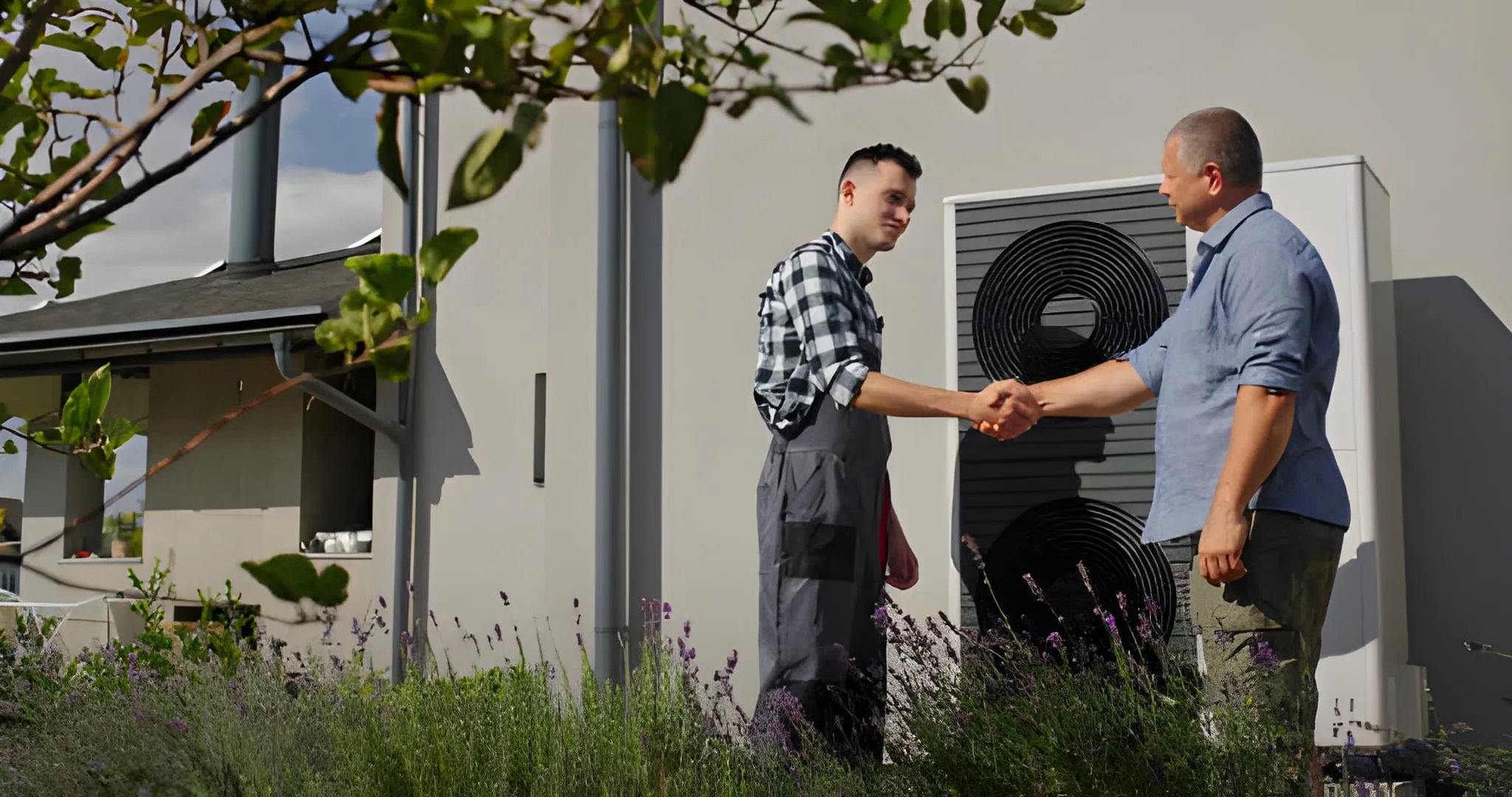
Why Heat Pump Maintenance Matters in Orlando
Orlando’s humid subtropical climate means heat pumps operate nearly year round. That continuous duty accelerates wear on components, promotes coil fouling from pollen and airborne contaminants, and increases the risk of moisture-related issues in condensate drains and drain pans. Regular maintenance:
- Preserves system efficiency so your heat pump does not use more electricity than necessary.
- Reduces the likelihood of emergency repairs during peak weather.
- Maintains manufacturer warranty compliance through documented service.
- Improves indoor air quality by keeping coils and filters clean.
- Extends equipment life by preventing small problems from becoming major failures.
Van Eddies Heating & Air Conditioning designs maintenance routines specifically for Central Florida conditions so your system handles warm summers, muggy springs and falls, and occasional cool snaps without unnecessary strain.
Common Heat Pump Issues in Orlando Homes
Understanding common issues helps prioritize maintenance tasks and spot problems early. In Orlando, expect these frequent concerns:
- Restricted airflow due to dirty filters, blocked returns, or fan motor problems. Reduced airflow lowers efficiency and can cause indoor coil freezing.
- Dirty evaporator and condenser coils from pollen, landscape debris, and airborne particulates. Coils that cannot exchange heat force compressors to work harder.
- Refrigerant loss or leaks. Low refrigerant reduces cooling capacity, increases cycling, and risks compressor damage.
- Clogged condensate drains and drain pans from algae and humidity, which can cause water leaks and microbial growth.
- Electrical wear on capacitors, contactors, and relays due to frequent cycling, leading to startup failures or intermittent operation.
- Thermostat miscalibration or control issues that lead to short cycling or inconsistent comfort.
- Defrost cycle and reversing valve problems in heat mode, which can reduce heating performance during cooler periods.
- Corrosion and vibration damage on outdoor units after heavy storms or high humidity exposure.
Maintenance focuses on preventing these issues or catching them early before they result in a system outage or costly repair.
What a Seasonal Heat Pump Tune-Up Covers
Van Eddies Heating & Air Conditioning follows a systematic maintenance checklist tailored for Orlando heat pumps. Each visit addresses performance, safety, and reliability with tasks including:
- Filter inspection and replacement
- Check filter size, type, and condition; replace or recommend appropriate replacement schedule to maintain airflow and indoor air quality.
- Indoor and outdoor coil cleaning
- Remove dust, pollen, and grime safely; straighten bent fins and verify unrestricted airflow across coils for efficient heat transfer.
- Refrigerant verification
- Measure pressures and temperatures, analyze superheat and subcool values, and identify signs of refrigerant leaks in compliance with EPA refrigerant handling rules.
- Electrical system inspection
- Test contactors, relays, capacitors, and motor amp draws; verify proper voltage and tight connections to prevent premature component failure.
- Thermostat calibration and controls check
- Confirm thermostat calibration, program settings, and communication with the system; ensure setpoints and schedules match homeowner needs.
- Safety and performance diagnostics
- Test safety controls, defrost operation, reversing valve function, and system startup/shutdown sequences to ensure reliable operation in both heat and cool modes.
- Airflow measurement and inspection
- Assess blower and fan performance, measure static pressure where needed, and recommend duct repairs if airflow is restricted.
- Condensate system maintenance
- Clear condensate drain lines, inspect drain pan for corrosion or overflow, and evaluate the need for biocide treatment or UV solutions in high-humidity situations.
- Mechanical component lubrication and inspection
- Lubricate motors and moving parts as required by manufacturer, inspect belts and bearings for wear.
- Outdoor unit inspection
- Clear debris around the unit, check for signs of debris damage, verify secure mounting, and inspect refrigerant line insulation.
- System performance report
- Document baseline operating data, record findings, and provide actionable recommendations.
These tasks form the core of seasonal tune-ups targeted to keep Orlando heat pumps operating efficiently through humid summers and transitional seasons.
Seasonal Emphasis: Spring and Fall Tune-Ups
Because Orlando residents rely on cooling most of the year, tune-ups are often scheduled in early spring to prepare for heavy cooling loads and in late fall to check heating performance before cooler weather. Each visit emphasizes relevant items:
Spring cooling preparation
- Thorough coil cleaning and condensate drain clearing after pollen season.
- Refrigerant and airflow verification to ensure peak cooling capacity.
- Calibration and settings review to optimize energy use through summer.
Fall heating check
- Inspect and confirm reversing valve and defrost cycle operation.
- Verify heat mode capacity and component function for the occasional cooler days.
- Ensure controls are ready for the low-load heating season to avoid surprise failures.
In Orlando, many homeowners find semi-annual visits provide the best balance of protection and performance. Van Eddies Heating & Air Conditioning recommends personalized schedules based on system age, manufacturer guidelines, and household usage patterns.
Diagnostic Process: What Technicians Do and Why
A professional diagnostic goes beyond a simple visual check. Van Eddies Heating & Air Conditioning technicians use calibrated instruments and a structured approach:
- Visual inspection first to identify obvious defects: oil stains, loose panels, disconnected wires.
- Electrical measurements: voltage, current, and resistance readings confirm safe and efficient motor and compressor operation.
- Refrigerant system analysis: pressure and temperature readings establish proper charge and detect abnormalities consistent with leaks or metering issues.
- Airflow testing: static pressure and temperature split measurements assess whether air delivery meets manufacturer specifications.
- Noise and vibration checks: abnormal sounds indicate bearing, fan blade, or compressor problems that should be addressed early.
- System operation under load: monitor short cycles, run times, and blower operation during a typical cycle to detect intermittent faults.
- Documentation: record all measurements and observations for comparison at future visits.
Technicians are trained to explain findings in plain language, providing the data homeowners need to understand system health without complex jargon.
Maintenance Plans and Agreements for Orlando Customers
Maintenance agreements provide predictable service and documented protection for heat pumps operating in Orlando’s demanding climate. Typical plan features include:
- Scheduled annual or semi-annual tune-ups timed for cooling and heating seasons.
- Priority scheduling for covered customers during peak months to minimize wait times.
- Detailed service records stored for warranty compliance and long-term tracking.
- Filter replacement options based on filter type and household needs.
- Diagnostic testing and baseline performance metrics recorded at each visit.
- Options for residential and commercial coverage, including multi-unit properties and new construction systems.
Van Eddies Heating & Air Conditioning structures agreements to be flexible, aligning with manufacturer maintenance requirements and homeowner expectations for reliability and comfort.
How Maintenance Visits Are Scheduled and Documented
A successful maintenance program is more than the visit itself. It includes transparent scheduling and thorough documentation:
- Flexible scheduling windows accommodate homeowner availability and seasonal timing.
- Reminder systems help keep tune-ups on track given Orlando’s year-round HVAC demand.
- Technicians arrive in uniform with proper identification, prepared with tools and a structured checklist.
- Each maintenance visit follows a documented checklist, often a 21-point or similar tune-up protocol for comprehensiveness.
- After the service, customers receive a written or digital service report that lists:
- Tasks performed
- System readings (temperatures, pressures, electrical values)
- Parts inspected and any replaced
- Observed issues and recommended next steps
- Suggested timing for the next maintenance visit
- Service records are maintained for warranty and resale value documentation and are available for homeowner review.
Keeping precise records benefits homeowners by preserving manufacturer warranty coverage and by creating a historical performance log to catch gradual declines in efficiency.
How Preventive Maintenance Lowers Costs and Extends Equipment Life
Routine maintenance reduces operating costs and prevents premature equipment failure. The benefits include:
- Improved efficiency that translates to lower energy consumption and more consistent indoor comfort.
- Fewer emergency service calls by addressing emerging problems during routine checks.
- Avoidance of major failures such as compressor replacement, which is often the most expensive single component repair.
- Extended equipment lifespan by reducing wear on motors, compressors, and electrical components through proper lubrication, tightening, and calibration.
- Maintained indoor air quality through clean coils and properly functioning condensate systems, reducing mold and microbial growth risk in humid Orlando homes.
Maintaining a clear service history also preserves property value and supports warranty claims if a component fails.
Practical Maintenance Tips Orlando Homeowners Can Do Between Visits
Homeowners can take proactive steps to support professional maintenance and keep systems running well:
- Replace or clean air filters regularly, at least every 1 to 3 months depending on filter type and household conditions.
- Keep the outdoor unit clear of vegetation, leaves, and debris. Maintain at least 2 feet of clearance for airflow.
- Monitor indoor humidity and consider a whole-house dehumidifier if excess humidity is a recurring problem.
- Keep supply and return vents unobstructed by furniture or drapes to maintain proper airflow.
- Check condensate drain lines for slow drainage or pooling water and notify a technician if you suspect blockages.
- Note and report changes: strange noises, reduced airflow, higher energy bills, or inconsistent temperatures.
- Use thermostat setbacks sensibly; avoid rapid, extreme changes that cause short cycling.
- Schedule professional maintenance before high-demand seasons to ensure peak performance when you need it most.
These simple actions can prevent common problems and make tune-ups more effective.
When to Call for Service Between Scheduled Maintenance
Despite routine maintenance, some issues require prompt attention:
- Water pooling around the indoor air handler or outdoor unit.
- Visible ice on evaporator coils or frozen outdoor lines.
- Unusual burning smells or persistent electrical odors.
- System will not turn on, or it short cycles repeatedly.
- Noticeable and sudden decline in cooling or heating capacity.
- Loud bangs, grinding, or screeching that indicate mechanical failure.
When these signs appear, early diagnosis can prevent larger failures and minimize repair costs.
Choosing a Heat Pump Maintenance Provider in Orlando
Selecting the right provider ensures maintenance is effective and reliable. Look for:
- Proper licensing and certifications for Florida HVAC work. Van Eddies Heating & Air Conditioning operates with Florida license CAC183223 and complies with local codes and manufacturer requirements.
- EPA certification for refrigerant handling and technicians trained in modern heat pump diagnostics.
- Clear documentation practices that record the work performed and provide measurable system data.
- Experience with local climate impacts, such as humidity management and pollen control strategies specific to Central Florida.
- Transparent maintenance plan options tailored to residential or commercial properties.
- Technicians who explain findings in plain language and prioritize safety and efficiency.
A qualified provider that documents each visit and offers a structured maintenance program reduces risk and provides peace of mind.
Long-Term Value of a Maintenance Program
Over the life of a heat pump, consistent maintenance yields measurable benefits: predictable performance, lower lifetime operating costs, and extended equipment life. In Orlando, where systems are used heavily, these advantages are magnified. A maintenance program helps homeowners plan for repairs and replacements by tracking trends and detecting gradual declines in efficiency.
Van Eddies Heating & Air Conditioning brings local expertise, structured maintenance protocols, and detailed reporting to Orlando homeowners who value reliability and long-term performance.
Maintenance Plan
Heat Pump/ AC Tune-Up

Furnace Tune-Up
Customer Testimonials