



AC Replacement in Orlando, FL



Keeping your home comfortable through Orlando summers means having an air conditioning system that is reliable, efficient, and sized for your home. An informed AC replacement protects indoor comfort, cuts energy costs, and avoids repeated emergency repairs.
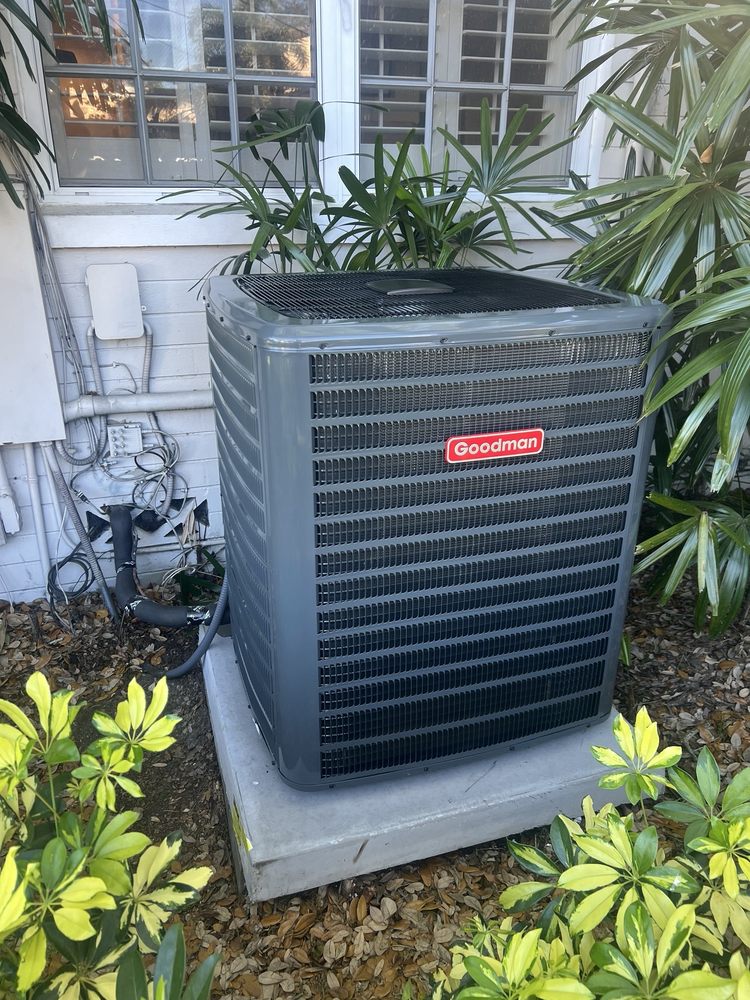
Why replace your AC in Orlando, FL
Orlando’s long, humid summers put heavy demand on cooling systems. Units that are older, undersized, or low-efficiency run longer and fail sooner. Replacing a failing or inefficient unit can:
- Improve comfort during peak heat and humidity
- Lower monthly cooling costs
- Reduce indoor humidity and mold risk
- Improve reliability during heat waves and storms
Common signs you need AC replacement
If you notice several of these issues, replacement is often the smarter long-term choice than repeated repairs:
- System age over 10-15 years and frequent breakdowns
- Rising energy bills despite regular maintenance
- Uneven cooling or rooms that never reach set temperature
- Compressor failure or major refrigerant leaks
- Use of discontinued refrigerant (R-22) or expensive recharge needs
- Loud or unusual operational noises
- Corroded outdoor unit or damaged coils from Florida humidity and salt exposure
System evaluation: what we inspect
A thorough evaluation determines replacement vs repair and gives a clear performance baseline:
- Age and service history of the condenser, compressor, and evaporator
- Refrigerant type and leak history
- Cooling capacity vs home load (manual J sizing and duct assessment)
- Airflow measurements (CFM), static pressure, and duct leakage
- Electrical condition: breakers, contactors, amp draw
- Efficiency rating (current SEER) and estimated seasonal performance
- Visual inspection for corrosion, coil condition, and drainage
Replacement versus repair: criteria to choose replacement
Repair can be cost-effective for isolated, low-cost issues. Consider replacement when:
- Repairs exceed a significant percentage of replacement cost over time
- Major components like compressors or coils need replacement
- The system uses phased-out refrigerant (R-22) or has recurring refrigerant leaks
- Multiple repairs are needed in a short period
- The system is undersized for current comfort needs or additions to the home
- Long-term energy savings or comfort improvement are priorities
Recommended high-efficiency replacements for Orlando homes
Orlando homeowners benefit from modern components that handle heat and humidity efficiently:
- Higher SEER units (14 to 23+ SEER) for meaningful energy savings
- Variable-speed compressors and variable-speed air handlers for better humidity control and consistent comfort
- Inverter-driven systems for quieter, more efficient operation
- Heat pump options for combined heating and cooling efficiency in mild winters
- Properly matched outdoor condensers and indoor coils for optimal performance
- Ductless mini-split systems for additions, room-by-room control, or homes without ductwork
Cost-benefit and energy-savings analysis (SEER improvements)
SEER measures seasonal cooling efficiency. A simple way to estimate cooling energy reduction when upgrading:
Estimated energy reduction = 1 - (SEERold / SEERnew)
Example: Replacing a SEER 10 unit with a SEER 16 unit yields1 - (10 / 16) = 0.375 → about 37.5% less cooling energy use.
Because Orlando has a long cooling season, this reduction translates to substantial annual savings and lower wear on the system. Newer systems may also qualify for manufacturer or utility rebates and can reduce peak demand during heat waves.
Removal and disposal of old units
Proper decommissioning is critical and regulated:
- Recover and recycle refrigerant per EPA guidelines (especially for R-22)
- Drain and dispose of oils and residual chemicals safely
- Recycle metal and plastic components where possible
- Remove old pad and debris, and prepare site for the new condenser
- Provide documentation of refrigerant recovery and disposal for record-keeping
Installation and start-up: what to expect
A professional replacement follows a methodical process to ensure efficiency and longevity:
- Load calculation (Manual J) to size the system correctly
- Duct inspection and recommendations for repairs or sealing to meet airflow needs
- Correct matching of indoor coil and outdoor condenser
- Proper refrigerant charge based on superheat/subcooling, not just factory charge
- Electrical upgrades as needed: disconnect, breaker sizing, and safety devices
- Thermostat compatibility and zoning considerations for precise control
- Initial system start-up with measured performance checks
Key startup checks include amperage draw, temperature split, airflow, static pressure, refrigerant pressures, and verifying condensate drainage.
Post-replacement testing and documentation
After installation, thorough testing confirms optimal performance and provides peace of mind:
- Verify SEER close performance via measured energy and temperature split
- Confirm correct airflow (CFM) and system balance room-to-room
- Test humidity control and cyclic behavior in typical Orlando conditions
- Register warranties and provide maintenance schedule recommendations
- Provide post-installation performance report summarizing readings and adjustments
Long-term benefits and maintenance
A properly selected and installed replacement improves comfort and lowers operating cost. To protect that investment:
- Schedule regular tune-ups (clean coils, check charge, inspect electrical)
- Keep filters changed to maintain airflow and indoor air quality
- Consider a maintenance plan that tracks warranty requirements and seasonal performance
Maintenance Plan
Heat Pump/ AC Tune-Up

Furnace Tune-Up
Customer Testimonials