



Heating Replacement in Conroe, TX



Replacing a failing or inefficient heating system is a major decision for Conroe homeowners. With our humid subtropical climate, mild winters, and occasional cold snaps, choosing the right replacement matters for comfort, year-round energy use, and long-term reliability.
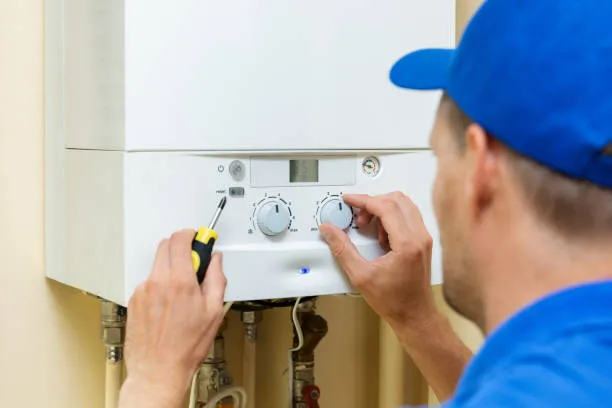
Why replace your heating system now
- Aging equipment loses efficiency and breaks down more often. Systems older than 12 to 15 years commonly require replacement rather than ongoing repairs.
- Reduced efficiency increases monthly utility costs and can leave rooms unevenly heated during cooler nights.
- Older systems may pose safety or indoor air quality concerns (e.g., cracked heat exchangers in gas furnaces).
- In Conroe, heat pumps frequently offer strong year-round performance because winter temperatures are often mild; replacing a worn-out furnace with a modern heat pump can reduce energy use while providing both heating and cooling.
Common heating replacement issues in Conroe, TX
- Frequent repairs and rising repair costs on equipment over a decade old
- Poor comfort or uneven heating in upstairs or sun-facing rooms
- Rising energy bills despite regular maintenance
- Noisy operation, short cycling, or frequent pilot/light issues on gas furnaces
- Increased indoor humidity complaints or reduced air quality
- Systems that cannot pair with modern thermostats or zoning equipment
How we evaluate aging equipment
A professional replacement evaluation focuses on these points:
- Age and service history of the existing unit
- Measured efficiency and performance (cold-air return temperature, airflow, cycling)
- Fuel type availability (natural gas is common in Conroe homes but some neighborhoods are electric-only)
- Ductwork condition and sizing — undersized or leaky ducts reduce any new system’s effectiveness
- Home envelope factors: insulation levels, window orientation, attic ventilation, and the local Lake Conroe humidity impact
- Safety checks for combustion appliances (carbon monoxide risk, venting, and heat exchanger condition)
Based on that assessment, you’ll get an efficiency and cost-savings comparison illustrating operating costs and expected performance differences between replacement options.
Recommended replacement options: furnace vs. heat pump vs. ductless
- Furnace (gas): Offers robust heating performance during the coldest periods and fast warm-up. Best for homes wired and plumbed for natural gas or where homeowners prefer combustion heating. Modern high-efficiency furnaces (higher AFUE ratings) reduce fuel use compared with older models.
- Heat pump: For much of Conroe’s climate, modern air-source heat pumps are highly efficient and provide both heating and cooling, simplifying equipment. Newer cold-climate or variable-speed heat pumps perform well even during occasional freezes and offer better humidity control during shoulder seasons.
- Ductless (mini-split): Ideal for homes without ducts, additions, or targeted zone heating. Ductless systems provide high efficiency and precise room-level control; they are especially useful for finishing a room or when ductwork replacement is impractical.
Each option has trade-offs in upfront cost, operating cost, and installation complexity. A sizing and load calculation (Manual J) is recommended to select the correct capacity to avoid short cycling or undersizing.
Removal and disposal of old units
- Refrigerant recovery: For heat pump or AC components, refrigerant is reclaimed and handled according to EPA regulations.
- Safe disconnection and capping of gas lines for furnaces, with venting and flue inspections.
- Recycling salvageable metals and disposing of non-recyclable parts per local waste regulations.
- Final safety checks and documentation for any required municipal inspections or permits.
Proper disposal protects the environment, avoids fines, and prepares the site for the new installation.
Typical replacement timeline and what to expect
- Initial assessment and quote: A site visit with measurements and system inspection.
- Scheduling: Delivery of equipment and an agreed-upon installation window.
- Installation day(s): Most straightforward replacements are completed in one day; more complex jobs (ductwork modifications, switching fuel types, or difficult attic installations) may take two days or more.
- Site preparation and old unit removal
- Mechanical installation: mounting outdoor units, indoor air handler or furnace set, duct connections, gas/electrical hookups
- Refrigerant charging and system purge or combustion tuning for gas units
- Thermostat setup and system tuning for efficiency and comfort
- System performance testing and safety checks
- Final walkthrough: Explanation of operation, filter locations, and maintenance recommendations.
Expect a clean work area and a walk-through showing how to operate new controls and what regular maintenance is needed.
Upgrade benefits: efficiency, reliability, and long-term value
- Lower operating costs with modern high-efficiency furnaces or heat pumps (measured in AFUE or HSPF/SEER for heat pumps)
- Improved comfort through consistent temperature control, variable-speed blowers, and better humidity handling
- Quieter operation and reduced drafts or hot/cold spots
- Enhanced indoor air quality potential when paired with upgraded filtration, humidity control, or ventilation strategies
- Reliability and reduced emergency repairs with new components and manufacturer warranties
- Increased home value and appeal to buyers who expect efficient HVAC systems
In Conroe, upgrading often means systems that handle high humidity better and are tuned to local load conditions, which translates to fewer comfort complaints and lower seasonal energy spikes.
Maintenance and getting the most from your replacement
- Annual tune-ups keep warranties valid and prolong equipment life: inspect, clean, lubricate, and test performance.
- Change filters regularly (every 1–3 months depending on filter type and home conditions).
- Seal and insulate ducts where accessible to prevent efficiency losses, especially in unconditioned attics common in this region.
- Program thermostats for schedules and consider smart thermostats for more precise control and energy savings.
- Keep outdoor condenser units clear of debris and provide shade without blocking airflow to improve efficiency.
Maintenance Plan
Heat Pump/ AC Tune-Up

Furnace Tune-Up
Customer Testimonials