



Ventilation Services in Conroe, TX



Proper mechanical ventilation is one of the most effective ways to protect indoor air quality and manage moisture in Conroe, TX homes. Van Eddies Heating & Air Conditioning provides professional ventilation services designed to bring controlled fresh-air exchange into tightly built houses, reduce indoor pollutants and allergens, and pair ventilation with dehumidification and filtration strategies for healthier living spaces. In Conroe, where hot humid summers, high pollen counts, and proximity to Lake Conroe create persistent moisture and pollutant challenges, the right ventilation system can make a dramatic difference in comfort, health, and energy performance.
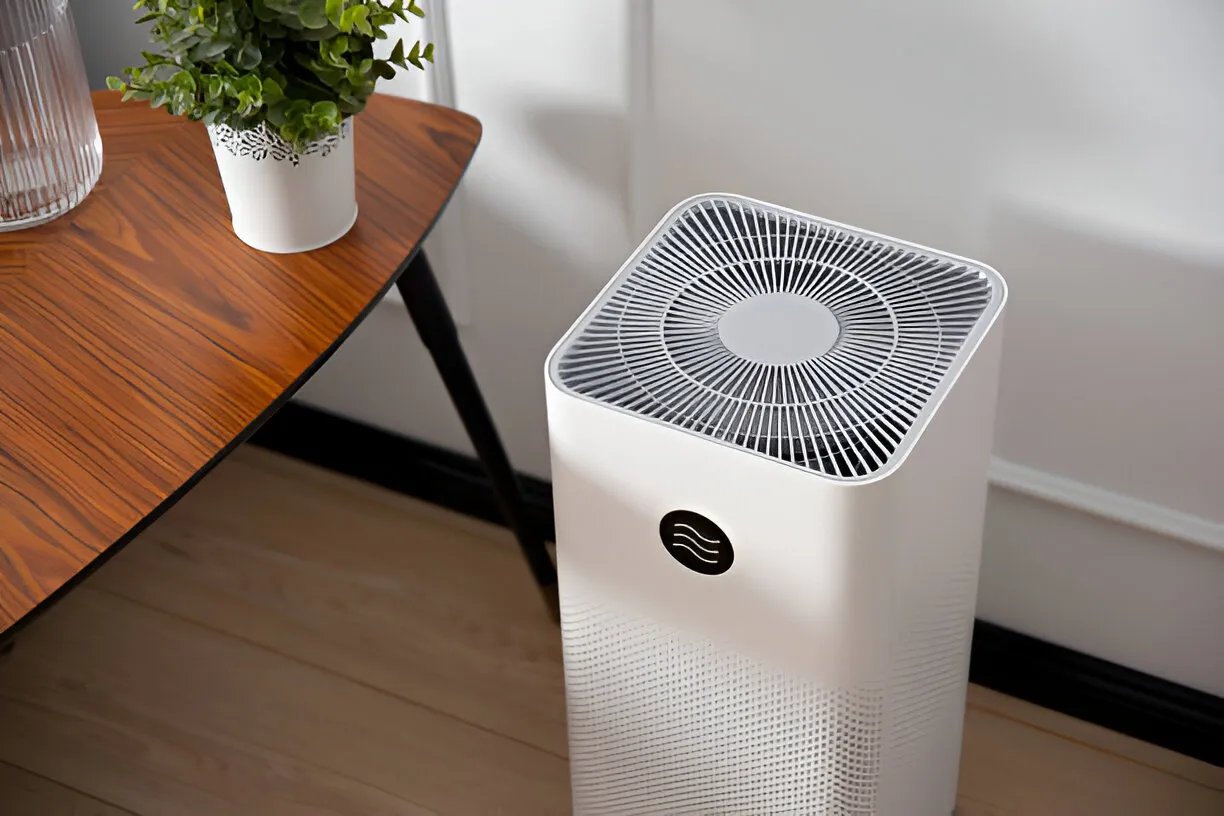
Why whole-house ventilation matters in Conroe, TX
Many modern homes are built to be tightly sealed for energy efficiency. While that reduces heating and cooling losses, it can trap contaminants and excess moisture indoors. Conroe’s humid subtropical climate with long warm seasons and high dew points causes moisture to accumulate quickly in attics, walls, and living areas, encouraging mold, dust-mite growth, and musty odors. At the same time, outdoor allergens like oak and ragweed pollen and occasional pollution from regional traffic and industry can raise indoor pollutant loads when windows are opened.
Whole-house mechanical ventilation ensures a controlled, measured exchange of outdoor and indoor air so you get fresh air without the drawbacks of simply opening windows. Using energy recovery ventilators (ERV) or heat recovery ventilators (HRV), homes in Conroe can receive necessary ventilation while limiting energy loss and improving indoor humidity control.
Common ventilation needs and problems we solve
- Stuffy indoor air and persistent odors despite HVAC operation.
- High indoor humidity and condensation on windows and walls.
- Recurring mold or mildew in bathrooms, closets, attics, or crawlspaces.
- Newer, tightly sealed homes that lack sufficient natural infiltration.
- Allergies or respiratory symptoms that worsen indoors.
- Rooms or zones with inconsistent air exchange, such as spa rooms, kitchens, and bedrooms.
- Poor performance from existing spot ventilation (bath fans, range hoods) that do not provide balanced whole-house ventilation.
Van Eddies Heating & Air Conditioning evaluates these conditions and recommends the appropriate ventilation strategy tailored to each Conroe home.
Ventilation system types we install and service
- Energy Recovery Ventilators (ERV)
- Transfer sensible heat and a portion of humidity between incoming and outgoing air streams.
- Ideal for humid climates like Conroe when you need to limit moisture transfer while maintaining fresh-air exchange.
- Heat Recovery Ventilators (HRV)
- Exchange heat only, best for colder, drier climates; less common in Conroe but useful in specific scenarios where humidity control is handled separately.
- Supply ventilation systems
- Introduce filtered outdoor air under positive pressure; used where outdoor air quality is good and controlled supply is needed.
- Exhaust ventilation systems
- Remove indoor air and rely on makeup air infiltration; typically inexpensive but can draw unconditioned, humid air into the structure.
- Balanced mechanical ventilation
- Uses dedicated supply and exhaust with recovery (ERV/HRV) for the most controlled exchange and energy performance.
- Demand-controlled ventilation
- Uses sensors (CO2, VOC, humidity) to adjust ventilation rates dynamically, improving comfort and reducing energy use when full ventilation is not required.
When whole-house ventilation is recommended
- New or recently renovated homes with tight building envelopes that limit natural air exchange.
- Occupied homes with family members sensitive to allergens, asthma, or other respiratory conditions.
- Homes with persistent humidity problems, visible condensation, or history of mold.
- Properties where indoor pollutant sources are present: smoking, wood-burning appliances, VOC-emitting furnishings, or frequent home cooking.
- Homes paired with high-efficiency heating and cooling systems that can benefit from controlled ventilation to maintain indoor air without large energy penalties.
Benefits for moisture control and pollutant reduction
- Reduced indoor humidity and condensation: ERVs help transfer a portion of moisture out of incoming air, reducing the burden on dehumidifiers and air conditioning systems during Conroe’s humid months.
- Lower mold growth risk: Consistent ventilation reduces moisture pockets and slow-drying conditions where mold thrives.
- Allergen and pollutant dilution: Mechanical ventilation dilutes indoor pollutants and reduces the concentration of pollen, pet dander, and cooking or cleaning byproducts.
- Improved occupant health and comfort: Steady fresh-air exchange reduces stuffiness, headaches, and symptoms associated with poor indoor air quality.
- Energy efficiency: Energy recovery technology lowers the heating and cooling penalty of bringing in outdoor air, important during Conroe summers and mild winters.
Assessment and planning process
Every ventilation installation begins with a professional assessment to determine needs and system sizing. Van Eddies Heating & Air Conditioning follows a structured planning process:
- Site and envelope evaluation
- Inspect home airtightness, existing ductwork, attic and crawlspace conditions, and common pollutant sources.
- Load and ventilation calculation
- Determine required cubic feet per minute (CFM) based on occupancy, floor area, and applicable standards such as ASHRAE 62.2.
- Recommend system type
- Decide between ERV, HRV, balanced supply/exhaust, or demand-controlled solutions depending on indoor humidity, outdoor air quality, and occupant needs.
- Ductwork and intake/exhaust placement planning
- Select intake locations away from roof vents, driveways, HVAC exhausts, and garage doors, and locate exhausts where humid or polluted air is concentrated.
- Integration with existing HVAC
- Plan for interaction with central forced-air systems, zoning, and controls to avoid short-circuiting air paths.
This upfront work ensures the ventilation system meets code and achieves targeted IAQ and moisture-control outcomes.
Installation and duct integration — what to expect
A professional installation includes careful mechanical and electrical work to integrate the ventilation unit into the home. Typical phases include:
- Mounting the ERV/HRV unit in conditioned or accessible space to protect it from extreme temperatures.
- Installing dedicated intake and exhaust ducting with insect screens and backdraft dampers.
- Tying ventilation supply and return branches into the existing duct system or installing new dedicated runs to bedrooms and main living spaces.
- Creating an exterior penetration for intake and exhaust with weatherproof terminations and proper clearances from combustion air or other exhaust sources.
- Electrical hookup to provide dedicated power and, when applicable, a control interface to the home automation or thermostat system.
- Condensate management for ERVs that produce condensate in humid climates; proper drain connections are essential.
- Commissioning and airflow balancing to ensure designed CFM rates are delivered to the intended areas.
Van Eddies Heating & Air Conditioning follows manufacturer and code guidelines to install ventilators so they operate safely and efficiently in Conroe homes.
System balancing and controls
Correct balancing and control strategy make ventilation systems effective without wasting energy. Key considerations include:
- Airflow balancing
- Measure and adjust CFM at supply and exhaust points to achieve a true balanced system or properly offset a supply-only or exhaust-only approach.
- Demand control
- Use CO2, VOC, or humidity sensors to ramp ventilation up or down based on actual indoor conditions.
- Integration with HVAC run times
- Coordinate ventilation to avoid running into HVAC off cycles that could cause unwanted pressure imbalances or short cycling.
- Timers and scheduling
- Provide scheduled ventilation for predictable occupancy patterns, while allowing override for events like extended gatherings.
- Controls for recovery efficiency
- Program sequences so the ERV/HRV recovers heat and moisture effectively without interfering with dehumidification or air conditioning performance.
A well-balanced system preserves comfort and keeps energy use reasonable while maintaining continuous fresh-air exchange where needed.
Code and health considerations
Mechanical ventilation systems must meet health and building code requirements while addressing occupant safety.
- ASHRAE 62.2 is the primary reference for residential ventilation rates and methods. It specifies minimum airflow rates based on number of bedrooms and square footage, along with operational expectations.
- State and local codes often adopt ASHRAE or IECC provisions; installations should comply with the code in effect at the time of permitting.
- Placement of intakes and exhausts must avoid contamination from vehicle exhaust, dryer vents, garbage storage, and other pollutant sources.
- For homes with combustion appliances, ventilation design must protect combustion safety and avoid creating negative pressure that could backdraft appliances.
- For households with asthma, COPD, or allergy sufferers, coordinated strategies that include ventilation plus filtration and humidity control provide the best outcomes.
Van Eddies Heating & Air Conditioning incorporates these health and code considerations in every design.
Ongoing service, filter replacement, and maintenance
Mechanical ventilators are long-lasting when serviced on a routine schedule. Maintenance tasks and intervals typically include:
- Quarterly visual checks of exterior intakes and exhausts for debris or insect intrusion.
- Replace or clean pre-filters every 1 to 6 months depending on indoor contaminants and usage.
- Clean or replace the energy recovery core annually or per manufacturer guidance; cores can become loaded with dust without maintenance.
- Inspect condensate drain lines and trap frequently during humid months to prevent blockage and mold growth.
- Verify controls, sensors, and damper operation during annual HVAC tune-ups.
- Periodic airflow testing and rebalancing after major changes to the duct system or home layout.
A proactive maintenance program ensures the system continues to provide proper ventilation rates, retains recovery efficiency, and does not become a source of odors or microbial growth.
Pairing ventilation with other IAQ strategies
Ventilation is most effective when part of a comprehensive indoor air quality plan. Recommended pairings for Conroe homes include:
- Filtration upgrades
- High efficiency media filters or HEPA solutions for central systems to reduce fine particles and allergens.
- Whole-house dehumidification
- Dedicated dehumidifiers to control humidity during the hottest months and reduce load on ERVs and air conditioners.
- UV coil treatment
- UV lights at the coil area to reduce microbial growth on evaporator coils and improve system hygiene.
- Source control
- Reduce indoor VOCs by selecting low-VOC materials, proper storage, and ventilation during and after renovations.
- Localized exhaust
- Range hoods and bath fans vented to the outside to capture high-pollutant events at the source while the whole-house system provides background ventilation.
- Smart controls and monitoring
- Use indoor air quality sensors that provide real-time feedback and allow demand-based ventilation for energy-conscious households.
Combining these measures provides layered protection against Conroe-specific IAQ challenges like pollen, moisture, and indoor pollutants.
Energy considerations and expected outcomes
In Conroe’s hot and humid climate, energy recovery ventilation is often the most practical solution because it reduces the cooling and dehumidification penalty of bringing in outdoor air. ERVs transfer a significant portion of enthalpy between outbound and inbound air streams, lowering the sensible and latent load on the HVAC system.
Expected outcomes when installing properly sized and commissioned ventilation plus paired IAQ measures include:
- Noticeable reduction in indoor odors and stuffiness.
- Lower relative humidity during transition seasons and better long-term moisture control.
- Reduced frequency of mold and mildew remediation.
- Improved comfort without the guesswork of opening windows during pollen season or high humidity.
- More consistent bedroom and living area air quality for allergy sufferers.
These benefits translate into healthier indoor environments and can extend the life and efficiency of existing heating and cooling equipment.
Why local expertise matters
Conroe has unique environmental factors that influence ventilation design: high summertime humidity, seasonal pollen and allergens, lake-effect moisture near Lake Conroe, and occasional severe weather events that affect attic and wall moisture. Contractors unfamiliar with these local dynamics can undersize systems, choose the wrong recovery type, or improperly place intakes and exhausts, resulting in problems like increased humidity, poor recovery performance, or short cycling.
Van Eddies Heating & Air Conditioning brings local experience to ventilation design and installation. We apply practical knowledge of Conroe weather patterns, common building practices in the area, and effective maintenance strategies to deliver systems that perform reliably year after year.
Making the decision: what to consider
When deciding on ventilation for your Conroe home, consider the following factors:
- Current indoor symptoms: Are occupants experiencing allergies, frequent colds, or asthma symptoms inside the home?
- Building tightness and age: Newer, well-sealed homes almost always benefit from mechanical ventilation.
- Moisture history: If you have seen condensation, mold, or musty odors, ventilation plus dehumidification can help.
- Existing HVAC capacity: Ensure the current system can accommodate added ventilation loads or that paired upgrades are planned.
- Energy priorities: ERVs often provide the best balance of IAQ and energy efficiency in humid climates.
- Maintenance willingness: Regular filter and core maintenance is necessary for reliable long-term operation.
An informed decision balances health needs, comfort goals, and energy concerns specific to your home and family.
Maintenance Plan
Heat Pump/ AC Tune-Up

Furnace Tune-Up
Customer Testimonials