



Heating Installation in Conroe, TX



Choosing the right heating system and having it installed correctly matters in Conroe, TX where hot, humid summers and mild but occasionally cold winters shape how homes stay comfortable year-round.
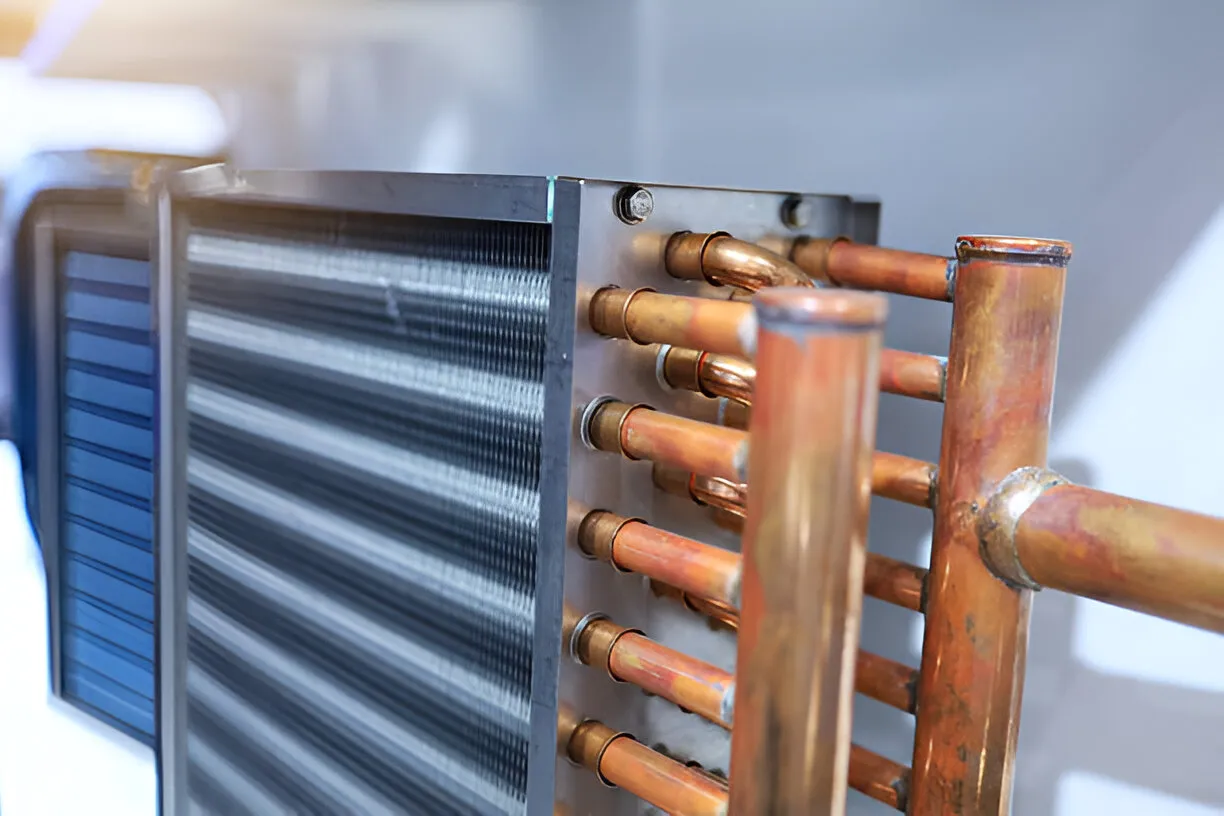
Why a proper installation matters in Conroe homes
Improper sizing or installation reduces comfort, increases energy bills, shortens equipment life, and can create safety risks with gas systems. In Conroe’s climate, equipment needs to both deliver reliable warmth during brief cold snaps and integrate efficiently with cooling and dehumidification strategies for the rest of the year. A correctly installed system improves indoor comfort, lowers operating costs, and prevents premature repairs.
Common heating system types and which suit Conroe
- Heat pumps (air-source or ducted mini-splits)
- Best for Conroe’s mostly mild winters. Heat pumps provide year-round climate control, efficient heating, and better humidity control during shoulder seasons.
- High-efficiency gas furnaces
- Good option where natural gas is available and for homes that experience colder snaps where supplemental heat is desired. Furnaces pair well with existing ductwork.
- Hybrid (dual-fuel) systems
- Combine a heat pump with a gas furnace to maximize efficiency—heat pump handles typical Conroe winters, furnace provides backup in extreme cold.
- Ductless mini-splits
- Ideal for room additions, homes without ducts, or zoned solutions to control comfort and energy use in specific areas.
Initial home assessment and load calculations
A professional installation begins with a thorough assessment of your home:
- Review of existing ductwork, insulation, attic ventilation, and thermostat location
- Inspection for air leaks, moisture issues, and return-air pathways
- Detailed Manual J load calculation to determine the correct system size based on square footage, orientation, insulation levels, window types, and Conroe-specific climate data
Why this matters: oversizing causes short cycling and humidity problems in our humid climate; undersizing leads to inadequate comfort and higher runtime. Proper sizing ensures efficient, consistent heating and proper integration with cooling needs.
Comparing furnace vs heat pump options
Key factors to weigh when choosing equipment:
- Efficiency metrics: AFUE for furnaces; HSPF and SEER for heat pumps. Higher numbers mean lower energy costs over time.
- Operating cost: Heat pumps typically cost less to run in Conroe’s climate, especially when electricity rates and mild winters are considered.
- Comfort and humidity control: Heat pumps maintain better dehumidification during shoulder seasons; furnaces require pairing with a properly sized AC system for full-year comfort.
- Fuel availability and reliability: If natural gas is available and desired for backup heat, a furnace or hybrid system may be attractive.
- Longevity and maintenance: Heat pumps and furnaces have different maintenance needs—professionally installed units with regular tune-ups last longer and perform better.
Energy-efficiency considerations and incentives
Selecting higher-efficiency equipment reduces operating costs and can qualify homeowners for local or federal incentives. In Conroe, efficient systems also reduce load on compressors during hot months by maintaining more consistent indoor temperatures. Ask about:
- Efficiency ratings to compare lifecycle costs
- Proper refrigerant charge and airflow to preserve efficiency
- Duct sealing and insulation improvements to lower heating/cooling losses
- Checking current local utility rebates and state or federal tax incentives for energy-efficient installations
Permitting and code compliance in Montgomery County
Professional installers will handle permits and ensure all work complies with Texas and Montgomery County codes. Typical permitting and compliance items include:
- Proper mechanical and electrical permits for new equipment or major changes
- Gas line sizing, shutoff valve location, and combustion-air requirements for gas furnaces
- Electrical breaker capacity and disconnects for heat pumps or furnaces
- Local inspection scheduling and sign-off from building authorities
Following code protects your family, ensures insurance coverage remains valid, and avoids costly rework during inspections.
Professional installation steps
A skilled installation follows a predictable, safety-focused process:
- Finalize equipment selection and confirm load calculation results
- Pull required permits and coordinate inspections
- Prepare the site: remove old equipment, inspect and repair ducts, and address any airflow or ventilation issues
- Install indoor and outdoor units, gas lines, condensate drains, and electrical connections per manufacturer specs and local code
- Ensure proper refrigerant charge, correct duct collar connections, and adequate combustion ventilation where applicable
- Seal ducts, insulate refrigerant lines, and mount controls/thermostat
Post-install testing, commissioning, and homeowner orientation
After installation the system is commissioned to verify performance:
- Measure temperature rise, airflow (CFM), and verify correct refrigerant charge or gas pressure
- Test safety controls, carbon monoxide levels (for gas systems), and electrical connections
- Balance air distribution and program thermostats for optimized schedules in Conroe’s climate
- Provide documentation: equipment specifications, warranty paperwork, and a maintenance checklist
A professional walkthrough helps you understand operation, filter replacement, and seasonal considerations.
Warranties and maintaining coverage
There are two warranty types to consider:
- Manufacturer warranty: Covers parts and sometimes labor for a set period—registration may be required
- Workmanship warranty: Covers installation quality; ensure this is provided in writingKeeping warranties valid generally requires following manufacturer maintenance schedules and using qualified technicians for service.
Financing and rebate guidance
Many homeowners use financing or energy-efficiency rebates to make high-efficiency installations affordable. Common options include:
- Utility rebates and local incentive programs—check current offerings from Conroe-area utilities
- Manufacturer or dealer financing programs and low-interest loans for energy improvements
- Home energy improvement loans or PACE-like options where available
Always review terms, eligibility for rebates, and whether a specific equipment model or installer qualifies for incentive programs.
Long-term benefits and maintenance tips
A professionally installed, correctly sized heating system delivers:
- Improved year-round comfort and humidity control in Conroe homes
- Lower monthly energy costs and reduced wear on the system
- Safer operation for gas appliances and better indoor air quality
Maintenance tips to preserve performance: - Replace filters regularly and use the correct MERV rating for your system
- Schedule annual tune-ups before heating season and HVAC checks before cooling season
- Keep outdoor units clear of debris and ensure proper drainage for condensate
Maintenance Plan
Heat Pump/ AC Tune-Up

Furnace Tune-Up
Customer Testimonials