



Smart Thermostats Installation in Montgomery County, TX



Smart thermostats are one of the most effective upgrades Montgomery County homes can make to improve comfort, reduce energy waste, and get better control over HVAC systems. In the hot, humid summers and mild winters of Montgomery County, TX, properly configured smart thermostat settings can significantly lower cooling costs while keeping indoor humidity and comfort consistent. Van Eddies Heating & Air Conditioning installs, configures, and supports smart thermostats for a wide range of HVAC systems, focusing on compatibility, reliable wiring, and energy-saving setups that suit local climate needs.
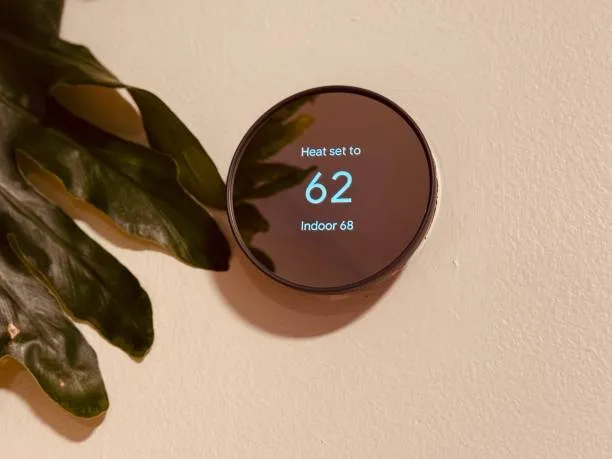
Why a smart thermostat matters for Montgomery County homes
- Summer cooling demand and high humidity put heavy loads on air conditioners. A smart thermostat can optimize run times, reduce short cycling, and work with multistage systems to maintain comfort efficiently.
- Many Montgomery County homes have older thermostats or mismatched controls that prevent modern efficiency features from working. Installing a smart thermostat unlocks learning schedules, remote control, and sensor-based balancing.
- Smart thermostats deliver energy usage insights and scheduling options that help homeowners lower utility bills during peak cooling months. They also integrate with other smart devices for whole-home control.
Van Eddies Heating & Air Conditioning approaches smart thermostat installation as an HVAC upgrade, not just a tech swap. Proper selection, wiring checks, professional installation, and post-installation tuning are essential for performance and longevity.
Common smart thermostat models and how to choose one
When choosing a smart thermostat, the right model depends on system compatibility and the features a homeowner needs. Key features to consider:
- Compatibility with HVAC type: single-stage, multistage, heat pump, dual-fuel, or conventional furnace. Not all models support every system out of the box.
- Power requirements and C-wire support: many modern thermostats prefer a common wire for stable power. Some models work with power adapters or power extenders when a C-wire is absent.
- Integrations: support for voice assistants (Amazon Alexa, Google Assistant, Apple HomeKit) and third-party platforms. Apple HomeKit compatibility is more limited and requires specific models.
- Remote sensors and zoning: external sensors help with uneven temperature distribution, a common issue in older Montgomery County homes.
- Advanced scheduling and learning: adaptive learning models create efficient schedules, while manual scheduling gives precise control.
- Energy reporting and utility program support: models that provide clear usage reports make it easier to participate in demand-response or rebate programs.
Popular vendor categories include learning thermostats (good for hands-off homeowners), programmable smart thermostats (for precise scheduling), and thermostats with robust sensor ecosystems (for multi-room balance). Van Eddies Heating & Air Conditioning evaluates system wiring and control boards to recommend models that match each home’s HVAC system and comfort goals.
Pre-installation wiring and compatibility checks
Before installation, a thorough compatibility and wiring check prevents common failures and ensures the thermostat will communicate properly with the HVAC system.
- Identify the HVAC control type: low-voltage control (most central systems), high-voltage/line-voltage systems, heat pumps with or without auxiliary heat, and multi-stage compressors.
- Inspect existing thermostat wiring: label wires, confirm presence of R, C, G, Y, W, O/B, and common control wires. Note any nonstandard wiring or proprietary control systems used by older equipment.
- Confirm power availability: many smart thermostats require a C-wire for reliable operation. If a C-wire is missing, options include installing a dedicated common wire, using a power extender kit provided by the thermostat brand, or installing a separate 24V power adapter.
- Check furnace or air handler control board: verify terminal compatibility and check for shared circuits or controllers that might require adapter modules.
- Evaluate Wi-Fi environment: a stable home Wi-Fi network is essential for remote access. Check signal strength at the thermostat location and recommend improvements if needed (Wi-Fi extender, router location change).
- Assess thermostat location: avoid direct sunlight, drafts, or areas near heat sources. Improper placement leads to poor temperature readings and inefficient cycling.
Carrying out these checks first reduces time on site and prevents common post-installation issues such as dead batteries, intermittent connectivity, or incorrect system behavior.
Step-by-step professional installation and configuration
A professional installation ensures safety and correct function. The general step-by-step process used by Van Eddies Heating & Air Conditioning technicians includes:
- Confirm wiring and system type: re-verify the pre-inspection labels and take photos of the existing setup for records.
- Power down the HVAC system at the breaker and the thermostat to prevent shorts.
- Remove the old thermostat and mount the new thermostat backplate, ensuring level placement and secure mounting.
- Connect wires to the new thermostat per the manufacturer diagram, using the labeled terminals: R, Rc, Rh, C, G, Y1, Y2, W1, O/B, AUX, etc. For multi-stage or heat pump systems, follow manufacturer-specific wiring diagrams.
- If no C-wire is present and a power solution is needed, install a power extender kit or run a new C-wire from the air handler control board.
- Restore power and perform initial setup: select equipment type (heat pump, conventional, dual fuel), number of stages, and auxiliary heat configuration.
- Test each function: call for heat, call for cool, check fan operation, verify staging sequences, and test emergency heat if applicable.
- Connect the thermostat to the home Wi-Fi network and create the homeowner account in the app. Confirm remote access and app notifications.
- Add supplemental sensors if installed and position them for best room coverage.
- Configure schedules, temperature bands, smart recovery, and humidity settings tailored to Montgomery County conditions.
- Run a final system diagnostic and generate a summary of what was adjusted, left in default, or recommended for follow-up.
Each step includes safety checks and calibration where needed. Technicians also document the installation for future service calls.
Smart thermostat configuration: schedules, remote access, and integrations
Configuration is where the smart thermostat begins delivering value. Important configuration items include:
- Scheduling: set weekday and weekend schedules that reflect occupancy patterns. In Montgomery County, prioritize daytime cooling reductions with smart recovery to ensure comfort before occupancy.
- Geofencing and presence: enable location-based adjustments for homeowners who want automatic home and away modes. This saves energy without sacrificing comfort.
- Smart recovery and adaptive learning: utilize features that pre-cool or pre-heat to hit setpoints at scheduled times while minimizing runtime.
- Integrations: connect thermostats to voice assistants, smart home hubs, or building automation systems as needed. Verify secure account linking and multi-user access permissions.
- Alerts and notifications: set alerts for filter change reminders, extreme temperature, humidity excursions, or loss of connectivity. These can protect against HVAC damage and comfort loss.
- Humidity control: for Montgomery County’s humid climate, configure dehumidification cycles and coordinate with ventilation systems or whole-house dehumidifiers when applicable.
- Fan and equipment protection settings: enable minimum runtimes and compressor protection to prevent short cycling and extend equipment life.
Professional setup balances energy savings with reliability. For homes with multi-stage or zoned systems, technicians ensure the thermostat communicates correctly with zone controllers, dampers, and outdoor units.
User training and handoff
A proper handoff ensures homeowners know how to get full value from their smart thermostat. Van Eddies Heating & Air Conditioning provides hands-on training during installation, covering:
- Basic app navigation and manual overrides: show how to change setpoints, switch modes, and use quick actions without reprogramming schedules.
- Understanding energy reports: explain daily and monthly energy usage graphs and how adjustments affect consumption.
- Managing alerts and troubleshooting basics: walk through common alerts and simple fixes like rebooting the thermostat or reconnecting Wi-Fi.
- Vacation and temporary modes: explain how to set long-term away modes to conserve energy during absences.
- Lock and access controls: demonstrate thermostat locking for child safety and how to add multiple users while maintaining security.
- Sensor placement tips and thermostat maintenance: show where sensors are best placed and explain periodic cleaning needs.
Clear training reduces support calls and empowers homeowners to manage comfort and savings themselves.
Energy-saving setup tips for Montgomery County, TX
Montgomery County homeowners can maximize savings and comfort by using climate-aware settings:
- Set cooling setback ranges: a 3 to 5 degree setback when away or sleeping often yields savings without sacrificing comfort in the morning.
- Use smart recovery judiciously: allow the thermostat to begin cooling early enough to reach setpoints by occupancy time without running constantly.
- Manage humidity actively: high humidity reduces perceived comfort, so coordinate thermostat schedules with whole-house dehumidifiers or ventilation to maintain 50 percent relative humidity or lower during peak months.
- Avoid aggressive setpoint swings that cause short cycling: longer, moderate adjustments are more efficient than frequent large changes.
- Let sensors manage hot spots: deploy remote sensors in upstairs bedrooms or sun-exposed rooms to prevent overcooling other areas.
- Time-of-use awareness: if the homeowner’s utility offers time-of-use pricing or demand response programs, configure the thermostat to reduce cooling during peak demand windows and pre-cool when rates are lower.
- Monitor energy reports: review reports monthly to identify trends and adjust schedules seasonally for optimal performance.
These strategies both reduce energy demand during Montgomery County heat and extend the service life of HVAC equipment.
Post-installation support and service plans
Reliable post-installation support protects the investment and ensures ongoing performance. Typical support and service plan elements include:
- Warranty guidance: explanation of thermostat manufacturer warranty terms and what the installer covers for wiring or installation-related issues.
- Remote diagnostics: the ability for a technician to review thermostat diagnostics remotely can speed up problem resolution without a truck roll.
- Scheduled maintenance and tune-ups: annual HVAC tune-ups ensure the air handler, outdoor unit, filters, and ducts are in good condition, preserving thermostat efficiency gains.
- Software and firmware updates: guidance on thermostat updates and management of firmware to maintain compatibility and security.
- Sensor and accessory replacement: supply and install replacement sensors, power modules, or accessory components when needed.
- Priority service tiers: some plans include priority scheduling for service visits during high-demand periods.
- Documentation and records: keeping installation photos, wiring notes, and system configuration records for future troubleshooting.
Van Eddies Heating & Air Conditioning includes documentation of all thermostat settings and wiring changes in service records so future technicians can quickly pick up where the original install left off.
Troubleshooting common post-install issues
If issues arise after installation, understanding common causes speeds resolution:
- Thermostat shows no power or keeps restarting: often indicates missing or unstable C-wire power. Solutions include adding a C-wire, installing a power extender, or verifying 24V transformer output at the control board.
- Wi-Fi connectivity drops: check router signal strength at the thermostat location and review network settings. Some thermostats need 2.4 GHz networks. A weak signal may require a mesh node or Wi-Fi extender.
- System short-cycles or runs constantly: verify staging and minimum run times are configured properly. Incorrect system type or stage configuration can cause improper compressor behavior.
- Inaccurate temperature readings: thermostat placement or nearby heat sources can skew readings. Use remote sensors or relocate the thermostat to a neutral location.
- Heat pump reversing valve confusion: improper O/B wiring can cause the heat pump to run in the wrong mode. Confirm O/B terminal polarity and configuration.
- App or cloud service login issues: reset passwords, re-link accounts securely, and verify that multi-factor authentication settings are not blocking access.
- Incompatible equipment features: older proprietary control systems or unusual zone controllers may require custom wiring adapters or professional interface modules.
Small fixes can often be handled by homeowners after a quick guide, but electrical or control board issues should be handled by trained HVAC technicians.
Why professional installation matters
Installing a smart thermostat is not just a matter of mounting a device and connecting wires. Accurate wiring, correct system type selection, staging configuration, and humidity management require HVAC expertise. Improper installation can produce increased wear on compressors, poor comfort control, or unreliable connectivity. Van Eddies Heating & Air Conditioning treats smart thermostats as an integrated part of the HVAC system and follows professional standards for wiring, testing, and documentation.
Long-term benefits for Montgomery County homeowners
A professionally installed and configured smart thermostat delivers multiple long-term advantages for Montgomery County homes:
- Improved comfort with even temperature control and humidity awareness.
- Lower energy consumption during peak cooling months through intelligent scheduling and remote control.
- Longer equipment life by reducing short cycles and ensuring correct staging.
- Better visibility into energy use and patterns that drive smarter decisions and potential participation in utility programs.
- Flexibility to expand into zoning, remote sensors, and whole-home automation over time.
Proper installation and ongoing maintenance create sustained value from a smart thermostat upgrade.
Maintenance Plan
Heat Pump/ AC Tune-Up

Furnace Tune-Up
Customer Testimonials