



Smart Thermostats Installation in Montgomery, TX



Smart thermostats are an immediate upgrade to comfort, energy efficiency, and control for Montgomery, TX homes. With long, humid summers, variable shoulder seasons, and occasional cold snaps, homeowners here need a thermostat that does more than set a temperature. Van Eddies Heating & Air Conditioning provides professional smart thermostat installation in Montgomery, TX that focuses on compatibility, reliable wiring and power, seamless HVAC integration, and homeowner training so your new device delivers measurable comfort and energy savings from day one.
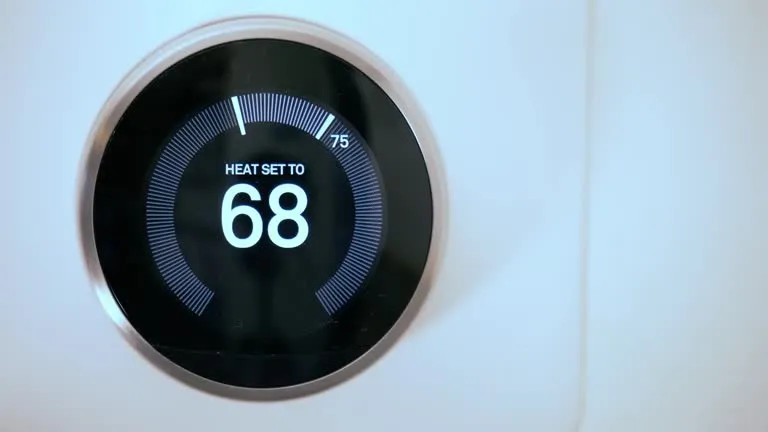
Why Montgomery, TX homes benefit from a smart thermostat
Montgomery County experiences extended cooling seasons and high humidity, which means your HVAC system runs more often and runs harder. A smart thermostat helps in several ways:
- Energy savings: Smart scheduling, adaptive algorithms, and occupancy features reduce unnecessary runtime. Typical homes see meaningful reductions in heating and cooling energy use when a smart thermostat is correctly configured.
- Humidity and comfort control: Smart thermostats paired with humidity sensors or whole-house dehumidifiers allow better control of indoor humidity, improving comfort without overcooling.
- Remote monitoring and control: Montgomery residents who travel to Lake Conroe or commute can adjust settings remotely to avoid running the system unnecessarily and return to a comfortable home.
- Zoning and multi-zone coordination: Many Montgomery homes have multiple levels or sun-exposed rooms. Smart thermostats coordinate with sensors or zoning systems to reduce hot and cold spots.
- Storm resilience and diagnostics: After storms, the ability to remotely check system status or receive diagnostic alerts reduces surprises and helps prioritize service needs.
Van Eddies Heating & Air Conditioning brings local experience to smart thermostat installations, ensuring the device you choose is right for your system and Montgomery climate.
Common smart thermostat types and what they do
- Learning thermostats (for example, self-learning models that build schedules): Automatically adapt to occupancy and preferences.
- Sensor-based systems: Use remote sensors to balance temperature and prioritize rooms.
- Cloud-connected thermostats: Offer mobile apps, energy reports, and integration with voice assistants.
- Zoning controllers: Coordinate multiple thermostats or dampers for multi-zone HVAC systems.
- Heat pump compatible units: Provide staging and emergency heat controls for heat pump systems common in modern Texas homes.
Which model is best depends on your existing HVAC equipment, desired features (geofencing, learning capabilities, HomeKit/Google/Alexa), and whether you plan to add sensors or zoning.
Compatibility and wiring checks
Professional compatibility and wiring assessment is the foundation of a successful installation. Van Eddies Heating & Air Conditioning includes a thorough pre-install inspection that covers:
- System type verification: Single-stage, multi-stage, variable-speed, heat pump, dual-fuel, and hydronic systems all have different control requirements.
- Thermostat wiring check: Confirm whether a C-wire (common) is present to provide continuous power. Many smart thermostats require a C-wire for reliable operation, especially when Wi-Fi and Wi-Fi features run continuously.
- Control voltage and relay verification: Older systems may use 24V AC control; verifying voltages prevents damage to new smart controls.
- Furnace/air handler compatibility: Ensures fan control (G), heat (W), cool (Y), and auxiliary/emergency heat (E/Aux) are correctly identified.
- Accessory compatibility: Verify compatibility with whole-house humidifiers, dehumidifiers, zoning systems, two-stage compressors, and variable-speed blowers.
- Wi-Fi strength check: Confirm a stable Wi-Fi signal where the thermostat will be mounted or plan for network improvements.
If a C-wire is missing, common professional solutions include installing a dedicated C-wire, using a compatible power extender kit, or choosing a thermostat model that supports alternative power methods. Van Eddies Heating & Air Conditioning evaluates the best long-term solution for reliability.
Professional installation process: step-by-step
A professional installation minimizes risk and ensures optimal performance. The installation process used by Van Eddies Heating & Air Conditioning typically follows these steps:
Pre-install inspection
- Confirm system compatibility and check wiring at the control board and thermostat location.
- Evaluate Wi-Fi and home automation integration needs.
- Review user preferences such as schedules, temperature offsets, and sensor placement.
Power and wiring preparation
- Label existing wires and document functions.
- Install or adapt a C-wire if required using an appropriate method.
- Install any necessary voltage converters or isolators for legacy systems.
Mounting and physical installation
- Secure mounting plate and smart thermostat in an optimal location, avoiding direct sunlight, doorways, or areas near heat sources.
- Connect wires to the new thermostat per manufacturer diagrams and verification protocols.
System integration and configuration
- Configure HVAC settings for staging, heat pump emergency heat, fan control, and compressor lockout as needed.
- Integrate with zoning systems or additional thermostats where required.
Mobile app setup and account configuration
- Set up the homeowner’s account in the thermostat’s app, connect to the home Wi-Fi, and enable desired features such as geofencing, alerts, or monitoring.
- Walk through energy reporting features and schedule options.
Sensor and accessory installation
- Install remote sensors or wall-mounted humidity sensors in priority rooms.
- Integrate with whole-home dehumidifiers, ventilators, or IAQ equipment if applicable.
Final testing and commissioning
- Test the system in cooling, heating, fan, and emergency modes.
- Verify staging, cycle rates, and proper communication with HVAC equipment.
- Confirm remote control, voice assistant integration, and firmware updates.
User training and documentation
- Provide hands-on training for schedules, temporary holds, vacation modes, and energy reporting.
- Document wiring and configuration details for future service.
This structured approach reduces callbacks and maximizes system longevity and performance in Montgomery homes.
System setup, mobile app configuration, and personalization
A smart thermostat is only as useful as its setup. Van Eddies Heating & Air Conditioning makes sure your thermostat is personalized for your household:
- Scheduling: Create weekday, weekend, and vacation schedules that reflect actual occupancy patterns rather than default settings.
- Geofencing: Enable location-based automation to reduce runtime when no one is home and restore comfort before arrival.
- Learning modes: If using a learning thermostat, monitor and refine learning behavior during the first few weeks.
- Temperature setbacks: Set conservative cooling and heating setbacks that balance comfort and savings, especially in peak Texas summer months.
- Humidity settings: Configure humidity thresholds and link to dehumidifiers or dehumidification modes where available.
- Notifications: Set alerts for system faults, filter change reminders, extreme temperature events, and Wi-Fi loss.
- Integrations: Connect with Apple HomeKit, Amazon Alexa, Google Home, or third-party hubs to create routines across lighting, security, and other smart devices.
Personalization ensures the thermostat operates efficiently in real-life conditions and produces measurable comfort improvements.
Integration with HVAC and home automation
Smart thermostats can be simple replacements or part of a broader home automation strategy. Integration possibilities include:
- HVAC control: Full control of single-stage, multi-stage, and variable-speed systems, including heat pumps and dual-fuel setups.
- Remote sensors and zoning: Prioritize living spaces or bedrooms with remote sensors; integrate with motorized dampers and zoning panels for whole-home balance.
- Indoor air quality: Connect to ventilation systems, humidifiers, dehumidifiers, and air cleaners to manage both temperature and IAQ.
- Voice assistants: Use voice commands for setpoint changes or to check current home temperature and humidity.
- Home automation scenes: Link thermostat actions to lighting or security events, such as lowering setbacks when a security system is armed.
Van Eddies Heating & Air Conditioning configures integrations to maintain HVAC system integrity and ensure that automation does not cause short-cycling or staging conflicts.
Models and features commonly offered
We install a range of leading smart thermostat models to match different needs and budgets. Common features homeowners can expect:
- Remote temperature and humidity monitoring
- Learning algorithms or manual scheduling
- Remote sensors for room prioritization
- Compatibility with multi-stage and heat pump systems
- Energy reports and usage analytics
- Geofencing and presence detection
- Voice control and smart home integration
- Local and manufacturer warranty support
Selecting the right model depends on system compatibility, desired integrations, and whether you will expand with sensors or zoning. Van Eddies Heating & Air Conditioning provides guidance based on real system requirements, not feature lists alone.
Available rebates and incentives
Local utility programs and manufacturers sometimes provide rebates or special offers for smart thermostats. In Montgomery, TX, rebates and incentives vary by utility provider and change over time. Typical rebate avenues include:
- Utility-sponsored energy efficiency programs
- Manufacturer promotions and mail-in rebates
- Bundled offers when paired with other equipment upgrades
- Tax incentives in limited cases for qualified energy upgrades
Van Eddies Heating & Air Conditioning advises homeowners on common rebate and documentation requirements and ensures installations meet typical program eligibility rules, such as equipment models and installation documentation.
Post-installation testing and verification
After installation, rigorous testing ensures the thermostat and HVAC system are functioning as intended:
- Mode verification: Test cooling, heating, fan-only, and emergency heat if applicable.
- Staging and compressor behavior: Verify two-stage or multi-stage compressors engage properly and that short-cycling does not occur.
- Fan and blower control: Confirm proper fan delays and interlock behavior with other equipment.
- Sensor accuracy: Validate temperature and humidity readings against reference devices and adjust offsets if necessary.
- Remote connectivity: Confirm mobile app control, push notifications, and cloud access.
- Recovery testing: Simulate power interruptions and confirm thermostat recovers saved settings and reconnects.
- Energy reports: Generate an initial energy summary and explain how to interpret ongoing reports.
Documented test results are provided so homeowners understand how the system performs under normal and edge-case conditions.
User training and homeowner support
Real value comes from understanding how to use your new thermostat. Training covers:
- Routine operations: Changing schedules, setting temporary holds, and switching modes.
- Smart features: Using geofencing, learning modes, eco modes, and energy reports.
- Manual overrides: How to temporarily override schedules without deleting them.
- Sensor management: Placement and prioritization of remote sensors.
- Filter and maintenance reminders: Where reminders are configured and what they mean.
- Basic troubleshooting: Reboot steps, Wi-Fi reconnection, and battery replacement if needed.
- When to call for service: Recognizing system faults vs. user-resolvable issues.
Van Eddies Heating & Air Conditioning provides clear, jargon-free instruction so homeowners feel confident managing their systems.
Common installation challenges and professional solutions
- Missing C-wire: Add a dedicated C-wire, install a power extender kit, or choose a compatible thermostat model.
- Weak Wi-Fi at thermostat location: Recommend network improvements or use thermostats with better connectivity options.
- Older control boards or legacy equipment: Use relays or interface modules to safely connect modern thermostats.
- Multi-stage and heat pump complexities: Correctly configure staging and emergency heat to prevent compressor damage.
- Zoning system integration: Coordinate with zoning controls to avoid conflicts or overlapping control schemes.
Professional installers prevent these common pitfalls and ensure that the thermostat enhances HVAC performance rather than creating new problems.
Maintenance tips and best practices
- Keep firmware up to date: Install thermostat updates to benefit from performance improvements and security patches.
- Monitor energy reports: Periodic review reveals drift in comfort settings or equipment performance issues.
- Replace filters and maintain the HVAC system: A well-maintained system runs more efficiently and reduces the thermostat workload.
- Verify sensors periodically: Ensure remote sensors are unobstructed and properly mounted for accurate readings.
- Check Wi-Fi and router health: Many connectivity issues trace back to network problems rather than the thermostat itself.
- Schedule seasonal HVAC tune-ups: Professional tune-ups ensure the system responds correctly to thermostat commands and maintains efficiency.
Following these practices protects your investment and keeps your Montgomery home comfortable year-round.
How a professional install protects system warranty and performance
Improper thermostat installation can void equipment warranties or cause operational problems such as short-cycling and inconsistent staging. Professional installation by Van Eddies Heating & Air Conditioning addresses:
- Correct wiring and labeling to preserve equipment integrity
- Proper configuration of staging and heat pump controls
- Safe handling of electrical and control circuits
- Documentation of installation parameters for warranty and future service
Professional installation reduces the risk of component damage and ensures the thermostat and HVAC system work together as designed.
Expected savings and realistic outcomes
Savings depend on home characteristics, local climate, behavioral patterns, and integration level. Typical outcomes for Montgomery homes include:
- Noticeable reductions in cooling runtime during long hot months
- Improved comfort in humidity-prone periods without excessive overcooling
- Reduction in energy use from smarter setbacks and automated scheduling
- Better temperature balancing across multi-level homes with sensors or zoning
Smart thermostats are a tool to be used alongside good HVAC maintenance and informed setup. When installed and configured by professionals, they deliver better comfort and measurable energy improvements.
Maintenance Plan
Heat Pump/ AC Tune-Up

Furnace Tune-Up
Customer Testimonials