


Smart Thermostats Installation in Winter Park, FL



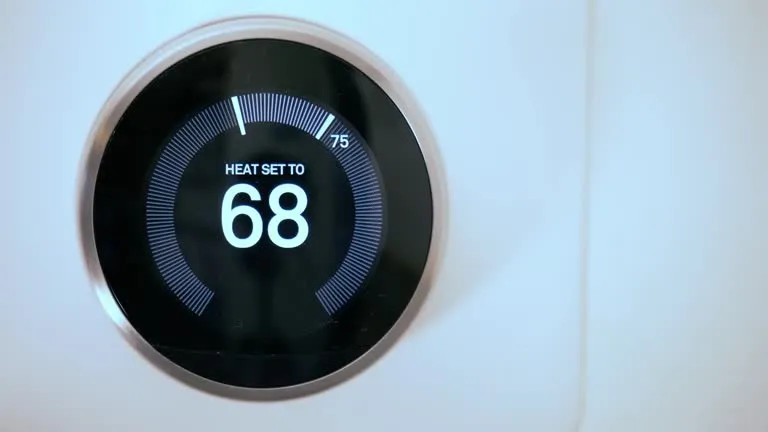
Upgrading to a smart thermostat is one of the most effective home improvements Winter Park homeowners can make to improve comfort, reduce energy waste, and modernize HVAC control. Van Eddies Heating & Air Conditioning delivers professional smart thermostat installation in Winter Park, FL, with a focus on compatibility, reliable wiring, optimized programming, and seamless integration with your existing heating and cooling equipment and smart-home ecosystem.
Why a smart thermostat matters in Winter Park
- Summer cooling demand drives most residential energy use in Central Florida. A smart thermostat lets you manage cooling schedules, set intelligent setbacks, and reduce runtime during high-demand hours without sacrificing comfort.
- Florida humidity and occasional bursts of rain or storms make indoor humidity control and compressor cycling important. Smart thermostats paired with properly configured systems can reduce short-cycling and help maintain consistent comfort.
- Many Winter Park homeowners balance part-time occupancy, vacation rentals, or seasonal schedules. Remote control and geofencing give precise control when you are away, preventing wasted cooling or overuse.
- Smart thermostats provide fault indicators and runtime reports that can highlight early signs of HVAC issues, helping extend equipment life in Florida’s hot, humid environment.
Common smart thermostat projects in Winter Park homes
- Replacing an old manual or programmable thermostat with a Wi-Fi smart thermostat.
- Upgrading a basic programmable thermostat to a brand that supports multi-stage systems, heat pumps, humidifiers, or whole-house dehumidifiers.
- Installing thermostats that integrate with smart-home platforms like Google Home, Amazon Alexa, or Apple HomeKit.
- Adding smart control to zoned HVAC systems or replacing outdated thermostats in multi-zone homes.
- Enabling remote alerts, usage reporting, and energy-saving schedules for rental properties or seasonal homes.
Pre-install assessment: compatibility, wiring, and planningA proper installation starts with a careful pre-install assessment to confirm that the selected smart thermostat will work with the home’s HVAC system and wiring.
What the assessment covers
- System type verification: heat pump, split system, packaged unit, furnace, or ductless mini-split. Heat pumps are common in Central Florida; the thermostat must support O/B reversing valves and auxiliary heat if present.
- Voltage class: most smart thermostats require low-voltage (24V) control. Older line-voltage systems or certain electric heating systems may need interface equipment.
- Wiring check: verify presence and condition of the C-wire (common) for continuous power. If a C-wire is missing, the technician evaluates options: install a dedicated C-wire, use a Power Extender Kit (PEK) where supported, or run a new wire through the wall or attic.
- Multistage and accessory device compatibility: confirm compatibility with multistage compressors, humidifiers, dehumidifiers, ventilators (ERV/HRV), zoning dampers, and outdoor sensors.
- Control location review: identify the best thermostat location to avoid false readings from sunlight, drafts, or kitchen/garage heat sources.
- Network readiness: evaluate Wi-Fi availability and signal strength at the thermostat location for cloud features, remote access, and firmware updates.
Recommended smart thermostat models for Winter Park systemsVan Eddies Heating & Air Conditioning installs and configures major industry models that balance features, compatibility, and reliability for Florida homes.
Top models typically recommended
- Nest (Google Nest Thermostats): strong learning algorithms, easy mobile app controls, and broad third-party integrations. Good for many single-zone heat pump and split systems.
- Ecobee (Ecobee SmartThermostats): excellent multi-room sensor support for humidity and occupancy-based control, strong heat pump and staging support, and robust integrations with Alexa and Apple HomeKit.
- Honeywell Home / Resideo: reliable, broad compatibility with commercial and residential systems, multiple form factors, and established control features for contractor installs.
- Emerson Sensi: straightforward setup, economic option with solid compatibility for many low-voltage systems.
- Other specialized models: thermostats designed specifically for heat pump staging, commercial controls, or advanced zoning may be recommended based on system type.
Which model is best?Model selection depends on system details, desired features (learning vs manual scheduling, sensors, voice control, HomeKit compatibility), and wiring constraints. Van Eddies evaluates the system and explains model trade-offs so homeowners in Winter Park can choose the best fit.
Professional installation and configurationProfessional installation ensures the thermostat is wired correctly, configured for your exact equipment, and optimally placed for accurate temperature sensing. A professional installer also reduces the risk of warranty issues or damage due to incorrect wiring.
Typical installation steps
- Power off and safety checks: identify and switch off the correct breakers to prevent damage and ensure safety.
- Remove old thermostat: label wiring and photograph the original wiring for reference. Confirm wire function at the control board if needed.
- Mount and wire the new thermostat: connect the C, R, W, Y, G, O/B, and other terminals as appropriate. For multi-stage systems, install the additional stage wires and program the thermostat for the correct stage count.
- C-wire solutions: if required, install a new C-wire from the air handler or use the manufacturer-supplied PEK or other power-adapter solution.
- Configure equipment settings: set system type (heat pump vs conventional), set compressor lockout or minimum off-time to protect equipment from short-cycling, configure heat pump balance, and establish whether the thermostat will control the humidifier, dehumidifier, or ventilation equipment.
- Connect to Wi-Fi and accounts: link the thermostat to the home network and manufacturer cloud service, check firmware, and confirm remote access.
- Test and confirm: run test cycles for heating and cooling, verify staging, check damper or zone responses, and confirm accessory control.
- Final trim and cleanup: secure the thermostat base, close access panels, and tidy wiring pathways.
Integration with existing HVAC and smart-home devicesSmart thermostats can act as a hub for comfort and energy management when integrated properly with HVAC components and home automation systems.
Common integrations
- Heat pumps and auxiliary heat: thermostats are configured to manage backup heat stages intelligently to avoid unnecessary electric heat use in Winter Park climates.
- Whole-house systems: thermostats can trigger humidifiers or dehumidifiers based on humidity sensors or runtime data, helping maintain indoor air comfort despite Florida humidity swings.
- Zoning systems: installers program thermostats to coordinate with zone controllers and dampers to maintain balanced comfort across multiple areas.
- Smart-home voice and automation: thermostats can connect to Amazon Alexa, Google Assistant, or Apple HomeKit to enable voice commands and routines like “away” or “sleep” modes.
- Energy platforms and utility programs: some thermostats support utility demand response signals or local incentive programs; installers configure eligibility where applicable.
Programming for energy savings in Winter ParkA properly programmed thermostat reduces runtime and energy costs without sacrificing comfort. In Winter Park, the biggest savings come from smarter cooling management rather than heating.
Energy-saving strategies typically implemented
- Occupancy-based schedules: create realistic schedules for morning, day, evening, and night that match household routines.
- Geofencing and presence detection: automatically set back temperatures when the homeowner leaves and return to comfort levels on approach.
- Smart setbacks with humidity awareness: avoid aggressive setbacks that may send the system into heavy dehumidification cycles; balance temperature and humidity targets to maintain perceived comfort.
- Adaptive learning vs manual optimization: where learning thermostats are used, tune sensitivity and learning behavior to avoid unnecessary behavior in a humid climate. Where manual schedules are preferred, use clear temperature bands and setpoints that minimize compressor short-cycling.
- Staging and lockouts: configure staging to ensure the first stage handles normal cooling loads while higher stages engage only when needed. Set compressor minimum off times to protect equipment from short cycling during quick load changes caused by Florida afternoon thunderstorms or sun exposure.
- Seasonal programming: adjust parameters for peak summer months to limit runtime during utility peak periods, and relax setbacks during mild winter nights when cooling is not required.
User training and handoffA key part of professional installation is making sure homeowners understand how to use the new thermostat and get confident controlling it.
Typical user training includes
- Mobile app walkthrough: show how to use the app to change schedules, monitor energy reports, and receive alerts.
- Basic troubleshooting: explain common reset procedures after power outages, battery replacement if applicable, and how to interpret error or alert codes.
- Setting safe temperature limits: demonstrate how to set Min/Max and Eco setpoints to keep HVAC operation efficient and protect the home.
- Sensor placement and use: explain how remote sensors work and when to use them to achieve consistent comfort across rooms.
- Firmware and account management: advise on creating or linking accounts, updating firmware, and enabling two-factor authentication for security where applicable.
Warranty information and reliabilityWarranty considerations cover both the thermostat manufacturer and the installation workmanship. Clear documentation helps homeowners in Winter Park know where protection applies.
What homeowners should expect
- Manufacturer warranty: major thermostat manufacturers offer limited warranties covering manufacturing defects. Warranty terms vary by brand; documentation is provided at installation or registration.
- Workmanship warranty: Van Eddies Heating & Air Conditioning provides a workmanship warranty on the installation and configuration performed. This warranty covers errors in wiring or configuration that result from the installation process and is documented in the service paperwork.
- Compatibility and limitations: warranties do not cover preexisting HVAC faults that cause damage to a thermostat. The pre-install assessment is designed to identify potential risks and recommend mitigations before installation.
- Firmware and software: manufacturers periodically release firmware updates that may change features. Installers document current firmware versions and note any important updates during installation.
Special considerations for Winter Park, FL homes
- Humidity control: a smart thermostat alone cannot replace a properly sized dehumidifier or correctly charged refrigerant system. Integration with dehumidification equipment or healthcare-graded IAQ devices is often recommended in high-humidity homes.
- Power outages and hurricane season: power interruptions can cause smart thermostats to lose settings. Solutions include professionally wired C-wires, UPS options for control boards, and homeowner education on post-outage recovery.
- Older homes and wiring access: many Winter Park homes have walls and ceiling constructions that make running new wires more challenging. Van Eddies evaluates attic access, conduit routes, and air handler locations to minimize disruption.
- Rental properties and vacation homes: programmable rules and remote monitoring can protect rental units from sustained overcooling and provide runtime reports for operational oversight.
- Historic and older HVAC units: when installing smart controls on older equipment, special attention is paid to compressor protection settings and compatibility with multistage or single-stage control logic.
Installation timelines and what to expect on the day
- Typical install duration: single-zone upgrades usually take 60 to 120 minutes. Complex installs—multi-zone systems, adding a C-wire, or control board modifications—can take longer.
- Arrival and identification: a trained technician arrives prepared with wiring tools, sensor kits, PEKs, and multiple thermostat models to match the pre-assessed requirements.
- Final testing and documentation: after installation, the thermostat and HVAC will be cycled to confirm correct operation. Installers leave documentation of wiring, configuration settings, and warranty details for homeowner records.
Common problems and troubleshooting after installation
- No power or thermostat not turning on: often due to missing or weak C-wire or tripped air handler breaker. Technicians verify wiring and power sources.
- Wi-Fi connection issues: poor signal at thermostat location can be fixed with Wi-Fi extenders, alternative placement, or wiring the thermostat to a stronger network segment.
- Short cycling and comfort complaints: adjustments to staging, compressor lockouts, and setback ranges are tuned to prevent rapid cycling and improve room-to-room comfort.
- Sensor discrepancies: remote sensors can be recalibrated or repositioned if readings differ significantly from the wall-mounted thermostat.
- Integration glitches: third-party integrations may need reauthorization after firmware updates or password changes; installers document account linkage steps.
Why choose a professional installer in Winter Park
- Local knowledge: Van Eddies Heating & Air Conditioning understands Winter Park homes, common system types in the area, and how Florida weather patterns affect thermostat behavior.
- Experience with diverse equipment: technicians are trained to work with heat pumps, variable-speed compressors, zoning systems, and the control quirks of older air handlers.
- Code and safety compliance: professional installation ensures compliance with local electrical and HVAC codes and preserves manufacturer warranties.
- Thorough documentation: professional installs provide wiring diagrams, configuration notes, and warranty records that help if future service or troubleshooting is needed.
Maintenance and ongoing best practices
- Annual check: include thermostat verification in your routine HVAC tune-up to ensure firmware is current and settings reflect changing household needs.
- Seasonal reprogramming: adjust schedules and humidity settings for summer peak cooling and mild winter months to maintain efficiency.
- Replace batteries and check power: if the thermostat uses batteries for backup, replace them as recommended. Verify C-wire integrity during annual checks.
- Monitor runtime reports: use energy or runtime reports provided by the thermostat to spot unusual increases in cooling usage that may indicate HVAC performance issues.
- Keep account credentials secure: change passwords and enable two-factor authentication to protect remote access and integration links.
Broader benefits beyond energy savings
- Improved equipment life: optimized staging and reduced short-cycling can reduce wear on compressors and extend system life in Winter Park’s demanding climate.
- Better indoor comfort: smart scheduling and remote sensors deliver consistent comfort throughout the home, reducing hot or cold spots.
- Peace of mind: runtime alerts and diagnostic reporting can detect issues early and reduce costly emergency breakdowns during peak cooling season.
- Resale value: modern smart controls are a desirable feature for buyers who expect smart-home compatibility and energy efficiency.
Maintenance Plan
Heat Pump/ AC Tune-Up

Furnace Tune-Up
Customer Testimonials