



Smart Thermostats Repair in Montgomery County, TX



Smart thermostats give Montgomery County homes more comfort, better control, and real energy savings — until they do not. When a thermostat loses connectivity, misreads temperature, or stops communicating with your HVAC system, comfort and efficiency suffer. Van Eddies Heating & Air Conditioning provides focused smart thermostat repair in Montgomery County, TX, diagnosing connectivity and communication issues (Wi-Fi, app, hub), troubleshooting sensors and wiring, resolving firmware and compatibility problems, and advising when on-site repair makes sense versus replacing the unit.
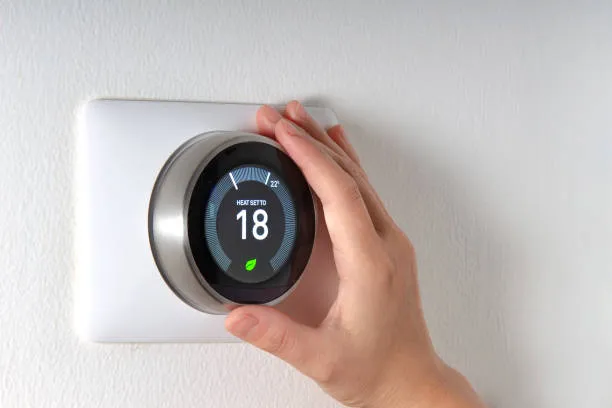
Why smart thermostat repair matters in Montgomery County, TX
Montgomery County experiences long, hot, humid summers and intermittent severe weather that can cause power interruptions. Smart thermostat issues here do more than inconvenience — they can drive up utility bills, stress HVAC systems, and compromise indoor comfort during temperature extremes. Unresolved smart thermostat faults can:
- Prevent accurate temperature control, causing the system to run longer than needed.
- Interfere with scheduling and remote control features that reduce energy use.
- Lead to short-cycling or improper compressor behavior if sensors or wiring are faulty.
- Create safety risks when heating or cooling systems fail to respond correctly.
Van Eddies Heating & Air Conditioning understands how local climate and power reliability affect thermostat behavior and diagnoses problems with that context in mind.
Common Smart Thermostat Problems in Montgomery County homes
- Connectivity and communication problems
- Intermittent or no Wi-Fi connection
- App cannot find or communicate with the thermostat
- Hub or smart home platform (Alexa, Google Home, HomeKit) fails to recognize the device
- Cloud service outages or account authentication errors
- Sensor and temperature-sensing issues
- Internal sensor drift or failure causing incorrect room readings
- Remote sensor batteries depleted or sensors displaced by home changes
- Thermostat placed in direct sunlight, near supply ducts, or on an exterior wall
- Wiring and power faults
- Missing or inadequate common (C) wire causing power instability
- Loose, corroded, or mislabeled terminal connections at the thermostat or air handler
- Shorted wires or HVAC control board faults preventing proper communication
- Firmware and compatibility problems
- Thermostat firmware out of date or corrupted after an update
- Model incompatibility with certain HVAC systems, heat pumps, or multi-stage equipment
- Manufacturer server changes or retired APIs that break third-party integrations
- Physical damage and wear
- Display or touch panel failure
- Internal component damage from humidity, pests, or accidental impact
- Behavioral or configuration issues
- Incorrect scheduling, geofencing, or learning behaviors producing unexpected operation
- User account or permission problems preventing app access
- Multiple thermostats not correctly synchronized in zoned systems
How a professional diagnostic works
A systematic diagnostic narrows the cause quickly and avoids unnecessary replacements. Typical steps Van Eddies Heating & Air Conditioning follows include:
Initial symptom review
- Confirm what the thermostat is doing versus what the homeowner expects.
- Determine whether the issue is continuous, intermittent, or related to specific conditions (time of day, weather, power events).
Local inspection and status check
- Verify thermostat model, firmware version, and app/hub account status.
- Inspect physical mounting, battery state, and any visible wiring issues.
- Confirm whether the display shows error codes or alert messages.
Network and app diagnostics
- Test Wi-Fi signal strength at the thermostat location and verify 2.4 GHz versus 5 GHz compatibility.
- Check router settings that commonly block devices (guest networks, MAC filtering, hidden SSIDs).
- Verify account credentials, cloud connectivity, and whether the thermostat is reachable via the manufacturer app.
Wiring and control verification
- Remove the thermostat from the wall to check wire connections and labels.
- Test for proper voltage on R and C terminals and look for fluctuating voltages or power interruption patterns.
- Confirm thermostat outputs match the HVAC control requirements (R, W, Y, G, O/B, AUX).
HVAC interaction tests
- Command the system manually from the thermostat and observe relay/command response at the air handler and condenser.
- Check for short-cycling, delayed starts, or failure to engage specific stages.
Sensor and calibration checks
- Use diagnostic tools to compare thermostat readings to hand-held thermometers at multiple locations.
- Inspect remote sensors and verify placement and battery status.
Firmware and compatibility review
- Confirm whether the thermostat is on the latest stable firmware.
- Check manufacturer notes for known issues or compatibility advisories with certain HVAC models.
Report and repair plan
- Provide a clear explanation of the fault, recommended repairs or replacements, and expected outcomes.
Typical repairs and solutions
- Connectivity fixes
- Reconfigure thermostat network settings to the correct SSID and password
- Recommend moving the router, adding a Wi-Fi extender, or using a mesh node near the thermostat
- Re-link app account, reset cloud credentials, or reauthorize smart home hubs
- Power and wiring repairs
- Install or convert a common (C) wire solution: use an unused conductor, add a C-wire adapter, or run a new thermostat cable where practical
- Clean and tighten terminal screws, replace corroded connectors, and correct miswired terminals
- Replace shorted thermostat wiring or repair damage at junctions
- Firmware and software interventions
- Update thermostat firmware to the latest stable build
- Roll back a problematic update when supported by the manufacturer
- Reconfigure settings after firmware updates or factory reset and restore user preferences
- Sensor and calibration service
- Replace failed internal sensors or remote sensors and recalibrate thermostat offset
- Relocate thermostat if placement causes false readings
- Replace sensor batteries and verify wireless sensor communication
- Hardware repairs and replacements
- Replace damaged faceplates, displays, or touch screens when possible
- Recommend and install a compatible replacement thermostat when repair is not cost-effective or when the model is obsolete
- Integration and hub troubleshooting
- Reconfigure smart home integrations and ensure proper voice assistant linking
- Replace or update hub components that control multiple devices
On-site repair versus replacement: how decisions are made
Repair is usually preferred when issues are isolated, such as a loose wire, depleted battery, outdated firmware, or a replaceable sensor. Replacement becomes the practical choice in these situations:
- The thermostat model is discontinued and lacks manufacturer support or firmware updates.
- Repeated failures occur even after repairs, indicating internal hardware degradation.
- The home has switched HVAC equipment types (for example, to a multi-stage heat pump) and the existing thermostat is incompatible.
- Repair costs approach or exceed the price of a modern, compatible smart thermostat and installation.
- The homeowner desires upgraded features (improved interfaces, better integrations, zoning support, or energy reporting) that the existing unit cannot provide.
When Van Eddies Heating & Air Conditioning recommends replacement, the guidance includes selecting models that match the HVAC system type, support local climate requirements, and offer robust manufacturer support.
Expected response times and scheduling norms
Response expectations vary depending on urgency and availability of parts:
- Typical diagnostic visit: many non-emergency repairs are scheduled within 24 to 48 hours.
- Same-day or emergency response: for conditions that affect safety or leave the home without heating or cooling during extreme weather, faster response is prioritized when local availability allows.
- Part-dependent repairs: if a specialized replacement part or a specific thermostat model is required, repairs are completed as soon as parts are available, which may extend timelines by a few days.
Technicians arrive prepared to perform a complete diagnostic and, in many cases, complete the repair during the same visit if common parts and accessories are on hand.
Pricing structure and how costs are determined
Van Eddies Heating & Air Conditioning follows a transparent, structured approach to pricing without listing specific dollar amounts on this page. Typical components of the cost include:
- Diagnostic fee
- A flat diagnostic or service call fee covers the on-site system evaluation, testing, and a written diagnosis. This fee is separate from repair labor and parts, and it provides the homeowner with an itemized list of recommended fixes.
- Labor charges
- Labor is billed either as a flat rate for common, well-defined tasks (for example, thermostat replacement or C-wire installation) or as an hourly rate for complex troubleshooting that requires extended diagnostics.
- Some repairs require multi-tech work (for example, combining electrical work with control board diagnostics); those jobs reflect combined labor time.
- Parts and materials
- Parts are charged based on the component required: thermostat units, sensors, wiring, connectors, adapters, or control board parts.
- When a replacement thermostat is needed, the price includes the device plus the materials used for a compatible installation.
- Estimates and approvals
- After diagnostics, homeowners receive a clear estimate outlining labor, parts, and any recommended system changes. Work proceeds only with homeowner approval.
- Warranties and service guarantees
- Pricing reflects the inclusion of workmanship guarantees and coordination with manufacturer warranties where applicable. Details are provided with the estimate and post-service documentation.
This layered pricing approach ensures homeowners understand what they pay for: accurate diagnosis, professional labor, and correct parts chosen for longevity and compatibility.
Guarantees and post-repair support
Reliable repair is more than a fixed thermostat; it is follow-through. Common guarantees and follow-up support offerings include:
- Workmanship warranty
- A defined workmanship guarantee covers the repair work for a specified period. During that time, if the same issue recurs due to the original repair, the technician revisits and corrects it.
- Parts warranty
- Parts installed carry manufacturer warranties. Documentation is provided to the homeowner stating the duration and scope.
- Remote and in-person follow-up
- When possible, technicians assist with post-repair remote setup verification via app connection and can provide guidance on account settings.
- A follow-up check or phone call within a short window (typically within one to two weeks) confirms the system is operating as expected and that scheduling and integration features behave correctly.
- Documentation and configuration notes
- After repair or replacement, customers receive written notes about wiring changes, firmware versions, app reconfiguration steps, and any special instructions for future maintenance.
These guarantees aim to restore confidence that the smart thermostat will function reliably in Montgomery County conditions.
Practical tips to avoid common thermostat problems
- Maintain clear Wi-Fi
- Ensure the thermostat is connected to a stable 2.4 GHz Wi-Fi network if the device does not support 5 GHz. Consider relocating Wi-Fi equipment or adding extenders to improve signal strength.
- Protect thermostat location
- Avoid installing thermostats on external walls, in direct sunlight, or above registers. Proper placement prevents false readings caused by localized heat or drafts.
- Keep firmware updated
- Apply manufacturer firmware updates promptly once verified safe. If an update causes issues, professional support can often roll back or patch the problem.
- Check sensor batteries and placement
- Replace remote sensor batteries regularly and ensure sensors are placed where they represent typical living space conditions, not near vents or windows.
- Use a stable power source
- Confirm a proper common (C) wire or verified power adapter is present. Power-related issues often cause intermittent reboots or inconsistent Wi-Fi connections.
- Document system changes
- When upgrading HVAC equipment or adding zoning, document wiring and thermostat model changes to aid future troubleshooting.
- Perform seasonal checks
- Include thermostat checks in spring and fall HVAC tune-ups to verify settings, connectivity, and sensor operation before peak cooling or heating seasons.
Energy and comfort benefits of timely thermostat repair
A properly functioning smart thermostat delivers measurable benefits for Montgomery County homes:
- Improved comfort and consistent indoor temperatures
- Accurate sensing and reliable commands keep rooms at desired temperatures without overshoot or lag.
- Energy savings
- Restoring scheduling, geofencing, and smart setbacks prevents wasted runtime and improves seasonal efficiency.
- Reduced strain on HVAC equipment
- Correct staging and control prevent short cycling and unnecessary compressor or furnace wear.
- Enhanced control and peace of mind
- Reliable remote access and integration with home automation allow homeowners to maintain comfortable conditions even during power or weather disruptions.
What to expect during an on-site visit
- Professional assessment: A technician from Van Eddies Heating & Air Conditioning will evaluate thermostat behavior, network status, wiring, and HVAC responses.
- Transparent reporting: Homeowners receive a clear description of the issue, recommended repairs or replacement, and a breakdown of parts and labor.
- Efficient execution: Common repairs are often completed on the same day when required parts are carried on the truck. Complex issues are scheduled for prompt follow-up.
- Clean, documented finish: All wiring changes are labeled and documented for future reference, and the thermostat is tested in real-world operating cycles.
Common scenarios and typical outcomes
- Thermostat loses Wi-Fi after router change: Technician reconfigures network settings, ensures proper band selection, and suggests network hardware adjustments if needed.
- Thermostat shows wrong temperature: Technician verifies sensor calibration, checks placement, tests with an independent thermometer, and replaces internal or remote sensors if failing.
- Thermostat fails to call for cooling: Wiring and HVAC relay testing reveal a loose Y terminal or control board relay issue; the technician tightens/repairs wiring or recommends control board service if needed.
- Smart features fail after firmware update: Technician assesses firmware status, tests functionality, and either applies a manufacturer-supported rollback or reconfigures settings and verifies correct operation.
Maintenance Plan
Heat Pump/ AC Tune-Up

Furnace Tune-Up
Customer Testimonials