


Smart Thermostats Repair in Winter Park, FL



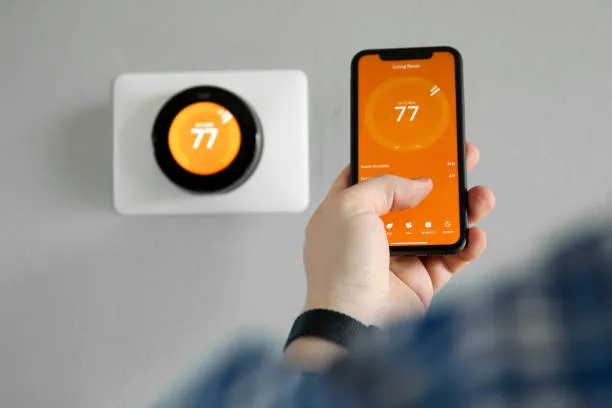
Smart thermostats are an essential part of modern home comfort in Winter Park, FL. They manage temperature, humidity, and scheduling to keep your home comfortable through hot, humid summers and mild winters, while helping reduce energy use. When a smart thermostat malfunctions, the result can be higher bills, uneven comfort, and loss of the convenience you expected. Van Eddies Heating & Air Conditioning brings experienced diagnostics and repairs for smart thermostats in Winter Park, FL, focusing on connectivity and wiring issues, software and firmware updates, sensor and compatibility troubleshooting, and professional guidance that helps you decide between repair and replacement.
Why smart thermostat reliability matters in Winter Park, FL
- Summer heat and high humidity in Winter Park mean air conditioning runs for long stretches. A malfunctioning thermostat can cause excessive runtime, short cycling, or failure to call for cooling at peak demand.
- Storms and occasional power interruptions can corrupt thermostat firmware or create wiring issues. Homes impacted by outages may experience thermostat resets or connectivity loss.
- Many Winter Park homes are older and may lack a dedicated common wire - a factor that commonly causes issues with modern Wi-Fi thermostats.
- Energy costs and environmental considerations make keeping a properly operating smart thermostat important for both comfort and efficiency.
Common smart thermostat issues in Winter Park homes
- Connectivity loss to Wi-Fi network
- Symptom: Thermostat cannot be controlled remotely, app shows offline, or schedules do not sync.
- Typical causes: Weak Wi-Fi signal at the thermostat location, router issues after a power outage, or cloud account problems on the manufacturer side.
- Power and wiring problems
- Symptom: Thermostat reboots, displays low power or blank screen, or HVAC does not respond.
- Typical causes: Missing or weak common wire (C-wire), incorrect wiring after a prior install, failing 24V transformer or control board, or loose terminals.
- Firmware and software glitches
- Symptom: Features disappear, scheduling behaves unpredictably, or the thermostat freezes.
- Typical causes: Interrupted firmware updates, outdated firmware incompatible with new router security settings, or manufacturer service outages.
- Sensor and calibration errors
- Symptom: Indoor temperature readings are off, room is too warm or cool compared to thermostat reading, or external sensors misbehave.
- Typical causes: Poor thermostat placement near sunlight or appliances, failed internal sensors, or misconfigured remote sensors.
- Compatibility issues with HVAC equipment
- Symptom: Thermostat fails to control heat pump or multi-stage equipment correctly, or auxiliary/emergency heat does not engage when required.
- Typical causes: Incorrect wiring for heat pump systems, unsupported control configurations, or thermostats not intended for multi-stage or communicating systems.
- Battery drain or power cycling
- Symptom: Batteries die quickly on battery-powered models, or the unit cycles off and on.
- Typical causes: Frequent Wi-Fi activity, failing internal power conversion circuitry, or lack of a stable C-wire to provide continuous power.
How Van Eddies diagnoses smart thermostat problems
Van Eddies Heating & Air Conditioning follows a structured diagnostic approach tailored to Winter Park homes and local conditions. The goal is to identify the root cause quickly and recommend the most cost-effective solution.
Remote triage
- Review symptoms and history provided by the homeowner, including recent outages, thermostat brand and model, and any recent wiring or equipment changes.
- Walk through basic checks to rule out simple fixes that homeowners can safely perform, such as restarting the router or checking battery status.
On-site inspection
- Verify thermostat model and firmware version.
- Inspect wiring at the thermostat and at the HVAC control board for correct color coding and secure connections.
- Test the 24V transformer and control circuits for voltage stability and continuity.
- Evaluate Wi-Fi signal strength at the thermostat location and check router and network settings.
- Assess thermostat placement for heat sources, direct sunlight, or drafts that affect temperature readings.
System-level testing
- Activate HVAC calls from the thermostat and verify that corresponding relays and stages operate on the outdoor condensing unit and indoor air handler.
- For heat pump systems, test reversing valve commands, defrost, and auxiliary heat operation.
- If a communicating control system is present, check compatibility and communication between the thermostat and the equipment.
Software and account checks
- Confirm cloud account status, manufacturer service availability, and whether firmware updates are pending or failed.
- Where appropriate, back up thermostat settings before performing resets or updates.
Targeted repairs or recommendations
- Replace or repair failing wiring, terminals, or the thermostat itself depending on the diagnosis.
- Provide options when a C-wire is missing, including running a new common wire, using a power extender kit or adapter, or installing a compatible thermostat with lower power requirements.
- Reinstall or update firmware and assist with app reconnection and account transfer if needed.
Firmware and software updates: best practices
- Updates keep smart thermostats secure and improve compatibility with newer routers and manufacturer cloud services, but interrupted updates can create problems.
- Van Eddies technicians confirm the thermostat is on reliable power before initiating updates. For thermostats lacking a stable C-wire, technicians use temporary power methods or recommend a wiring solution first.
- Technicians back up schedules and settings when manufacturer tools allow, then perform updates and verify functionality afterwards.
- When a homeowner account transfer is needed, technicians advise on account ownership and ensure the device is properly reassigned to avoid later connectivity problems.
Wiring and connectivity solutions for Winter Park homes
Modern smart thermostats typically require a common wire for stable power. In Winter Park, this is a frequent point of failure because many homes were built before smart thermostats existed.
Common wiring solutions:
- Run a dedicated C-wire from the furnace or air handler control board to the thermostat.
- Install a power extender kit or C-wire adapter supplied by the thermostat manufacturer when running a new wire is impractical.
- Verify correct wiring for heat pumps, multi-stage systems, and communicating controls. Some thermostats require specific wiring configurations for O/B, AUX, E, and S terminals.
- Repair or replace corroded or loose terminals that cause intermittent contact during humid months.
Connectivity best practices:
- Ensure the thermostat has a reliable Wi-Fi signal. In Winter Park homes with thick walls or distant routers, relocating the router or adding a mesh node can be necessary.
- Protect the home network with stable SSID settings and avoid frequently changing router passwords that break thermostat connectivity.
- For storm-prone periods, consider network backup strategies for essential smart devices to avoid frequent reconnections after outages.
Sensor and compatibility troubleshooting
Smart thermostats may use internal sensors, remote sensors, or integrate with multi-zone setups.
- Sensor calibration: If indoor temperature readings are off, technicians verify calibration against a reliable thermometer and replace faulty sensors if needed.
- Remote sensors: Placement is critical. Sensors in direct sunlight, near vents, or on exterior walls give misleading readings.
- Multi-zone compatibility: Thermostats must be matched to the control strategy for zoned systems. Incorrect wiring or unsupported features can prevent proper zone control.
- Specialized HVAC equipment: Communicating systems and variable-speed equipment often require thermostats designed for manufacturer-specific protocols. Where compatibility is limited, Van Eddies explains the tradeoffs and options.
Repair versus replacement: what to consider
Deciding whether to repair a smart thermostat or replace it depends on several practical factors.
When repair usually makes sense:
- Single, identifiable faults such as loose wiring, a failed terminal, or an easily replaceable sensor.
- Firmware or account issues where the hardware is otherwise healthy.
- Recent purchase and active manufacturer warranty that covers parts or replacement.
When replacement is often recommended:
- Repeated failures due to aging internal power components or corrosion.
- Thermostat model is obsolete and no longer receives firmware updates or manufacturer support.
- The home is being upgraded to a new HVAC system with features not supported by the existing thermostat, such as advanced communicating controls.
- Desire for improved features like better zoning support, integrated humidity control, or an upgraded user experience that justifies a new unit.
Van Eddies Heating & Air Conditioning evaluates repair cost, expected remaining life of the thermostat, benefits of newer models, and how each option affects HVAC performance before recommending the optimal path.
What to expect for response times and service in Winter Park, FL
- Diagnostic speed is influenced by local technician availability, time of year, supply chain lead times for parts, and the severity of local weather events.
- In Winter Park, peak demand is typically highest during the hottest months when AC problems are most urgent. Planned maintenance seasons are usually spring and fall.
- Emergency or urgent calls involving complete loss of cooling are prioritized due to comfort and potential health concerns in high heat.
- Where parts are required, lead times can vary by brand and model. If a specific replacement thermostat is needed, the wait may depend on supplier stock.
Van Eddies aims to provide clear expectations about arrival windows and estimated time on site once the scope of work is known, and technicians outline whether the issue can be resolved during the initial visit or if parts and follow-up are needed.
Pricing structure and estimate approach
Van Eddies follows an upfront, transparent approach to estimating work without including specific price numbers here. Typical elements that affect cost include:
- Diagnostic assessment: This covers time to identify the root cause and report findings.
- Labor model: Repairs can be invoiced as a flat-rate service or hourly labor depending on the job complexity and whether the work is a simple swap or involves rewiring.
- Parts and materials: Costs depend on whether a new thermostat, sensors, C-wire hardware, or control board parts are required.
- Complexity and access: Older homes, multi-zone systems, and hard-to-reach wiring add time and affect overall cost.
- Warranty coverage: Manufacturer warranties or existing service agreements may cover parts or labor for certain failures.
Technicians at Van Eddies provide a clear estimate before performing nonemergency repairs, explain what is included, and how warranty coverage applies.
Preventive tips to avoid future smart thermostat headaches
- Check wiring and power before high-demand seasons: Have the thermostat wiring and C-wire verified before summer so cooling is reliable when it's hottest in Winter Park.
- Stable Wi-Fi and network practices: Use a consistent SSID and password and keep router firmware updated. Consider placing mesh nodes near thermostat locations in larger Winter Park homes to ensure a strong signal.
- Protect against power fluctuations: Frequent outages in storm seasons can lead to repeated firmware corruption. Surge protection for HVAC control equipment and reliable power for routers helps.
- Keep thermostat out of direct sunlight and away from heat sources: Ceiling fans, lamps, or windows that receive intense sun can skew temperature readings.
- Replace batteries annually on battery-powered thermostats and inspect terminals for corrosion during seasonal HVAC tune-ups.
- Keep HVAC equipment maintained: A healthy air handler and condenser prevent control issues caused by equipment stress and can reduce confusing fault conditions at the thermostat.
- Back up schedules and settings where manufacturer tools allow: Before firmware updates or factory resets, document schedules and preferences to speed recovery.
Why prompt repair matters for Winter Park homeowners
- Comfort and health: Summer-related heat and humidity make reliable cooling a necessity. A working thermostat ensures consistent comfort without manual intervention.
- Energy efficiency: Proper thermostat operation reduces runtime and prevents short cycling, protecting equipment and lowering bills.
- Equipment longevity: Addressing thermostat problems that cause improper cycling or frequent starts protects the compressor and other critical components.
- Convenience and safety: Smart thermostats provide remote monitoring and alerts that can identify problems before they become emergencies. Restoring those capabilities adds peace of mind.
Van Eddies Heating & Air Conditioning uses experience with Winter Park homes and local climate conditions to diagnose and repair smart thermostat problems with thoroughness and clarity, so homeowners have reliable comfort and efficient system operation.
Maintenance Plan
Heat Pump/ AC Tune-Up

Furnace Tune-Up
Customer Testimonials