



Whole House Air Filtration in Lake Conroe, TX



Living near Lake Conroe brings scenic views and outdoor lifestyle perks, but it also introduces specific indoor air quality challenges. High humidity, seasonal pollen, lakeside mold, and periodic smoke from controlled burns or distant wildfires can increase airborne particles and irritants inside homes. Whole house air filtration installed and tuned for Lake Conroe homes provides a reliable way to reduce those contaminants across every room, not just where a portable purifier happens to be. Van Eddies Heating & Air Conditioning designs, installs, and maintains whole house filtration systems that reduce allergens, protect HVAC equipment, and create healthier indoor environments tailored to the local climate and building stock.
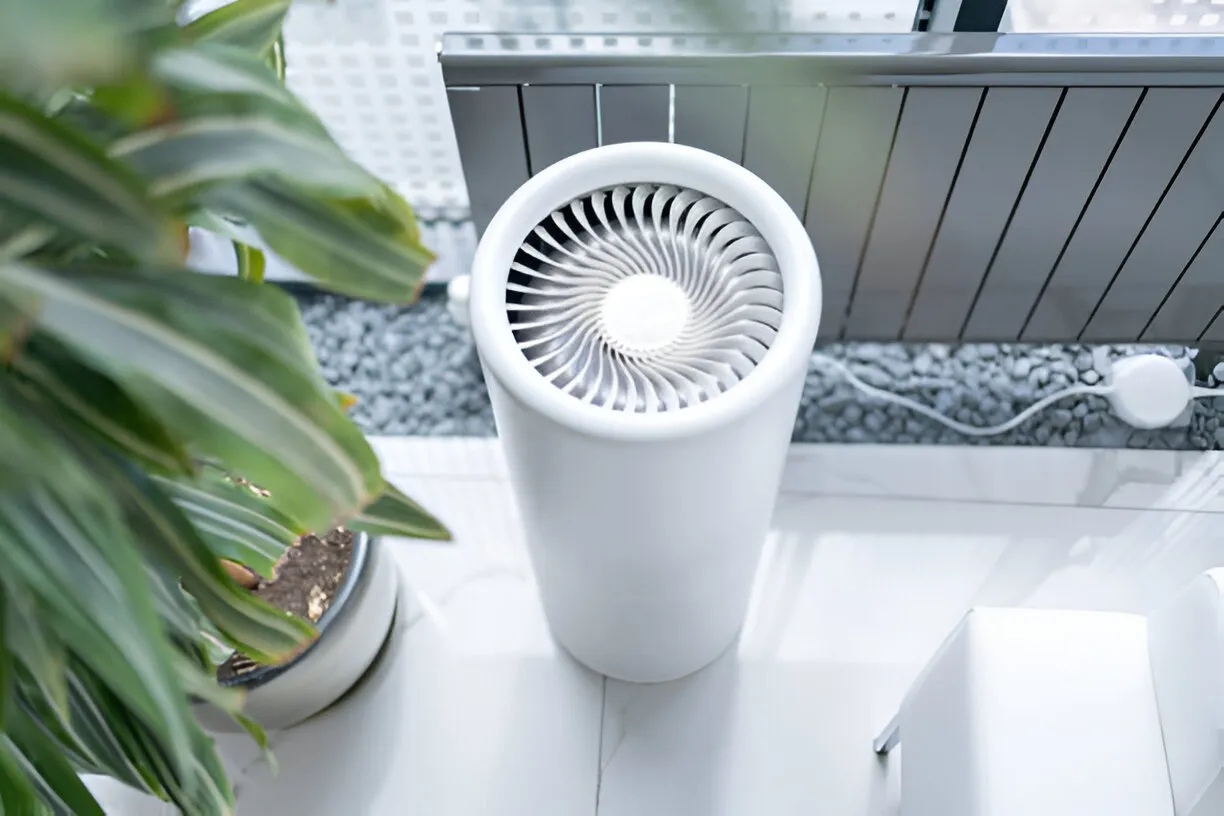
Why whole house filtration matters in Lake Conroe homes
- Regional pollen and mold spores become indoor problems when windows are opened for ventilation or when they infiltrate through gaps and ducts.
- High humidity common in Montgomery County encourages dust mite and mold growth, worsening asthma and allergy symptoms.
- Lakefront properties can experience more organic debris and fine particulates that standard furnace filters miss.
- A centralized system treats the entire living space consistently, eliminating room-to-room variability and the need for multiple portable units.
If indoor air quality is a priority because of asthma, allergies, small children, older adults, or simply a desire to breathe cleaner air, whole house filtration is a practical, long-term solution.
Types of whole house filtration systems and how they compareChoosing the right technology depends on your goals: particle removal, allergen reduction, odor control, or protecting HVAC equipment. Van Eddies Heating & Air Conditioning evaluates each home to recommend the best match.
Media air cleaners (high-efficiency filter cartridges)
- How they work: Dense pleated media installed in the return plenum captures particles as air passes through. Media filters are rated by MERV (Minimum Efficiency Reporting Value).
- Strengths: Good balance of particulate removal and airflow. MERV 8 to 13 filters are common residential choices; MERV 11-13 are recommended for allergen and fine particle reduction without excessive system strain when installed correctly.
- Limitations: Media filters do not remove gases or volatile organic compounds (VOCs). Higher-MERV media increases static pressure; system evaluation is required.
HEPA whole house solutions
- How they work: HEPA filters trap at least 99.97 percent of particles 0.3 microns in diameter when used as intended. For whole house use, HEPA filtration is usually paired with a dedicated fan or bypass assembly to manage airflow and system pressure.
- Strengths: Superior at capturing smoke, pollen, pet dander, and many bacteria-sized particles. Best choice when maximum particle removal is needed for severe allergy or asthma cases.
- Limitations: Standard HVAC blowers are often not designed for HEPA-level resistance. Retrofitting typically involves adding a separate filtration module with its own fan or a specially configured housing.
Electronic air cleaners (electrostatic precipitators)
- How they work: These devices charge particles as they pass and then collect them on oppositely charged plates or filters. Some are washable and reusable.
- Strengths: Effective at capturing very small particles, long-term savings on filter purchases, and can work with existing blower systems in many homes.
- Limitations: Some electronic cleaners can produce small amounts of ozone if not certified. They require periodic cleaning of plates and occasional replacement of collector cells.
Hybrid and specialty systems
- Combination systems pair media or HEPA filtration with UV germicidal lights or activated carbon stages to address biological contaminants and odors. Activated carbon layers adsorb many VOCs and odors that mechanical filters cannot remove.
- Whole house dehumidification paired with filtration can greatly reduce mold and dust mite growth in Lake Conroe’s humid climate.
Common whole house air filtration needs and issues in Lake Conroe, TX
- Allergy spikes in spring and fall from oak, ragweed, and other regional pollen.
- Persistent musty odors from humidity and attic or crawlspace moisture.
- Increased particulate load after lake area landscaping or yard maintenance.
- Smoke intrusions from controlled burns or regional wildfires that send fine particulates into homes.
- Reduced HVAC efficiency and increased wear when filters are undersized or not maintained.
System compatibility and retrofit options for existing HVACMost existing furnaces and air handlers can accommodate improved filtration, but the approach depends on blower capacity, existing static pressure, and duct design.
Typical retrofit options
- Replace the standard disposable filter with a higher-MERV media filter: Quick and low-cost but limited by the system’s pressure tolerance.
- Install a dedicated in-line media or electronic filter housing in the return plenum: Balances performance with minimal blower changes.
- Add a whole house HEPA module with a booster fan: Best for homes needing hospital-grade particle removal; requires more space and electrical work.
- Combine filtration upgrades with duct sealing and insulation to reduce outdoor infiltration and boost overall system performance.
What Van Eddies Heating & Air Conditioning evaluates during a retrofit assessment
- Airflow and static pressure testing to determine how a new filter will affect system performance.
- Duct sizing, leakage, and return locations that affect filtration efficiency.
- Existing filter access and available space for additional housings or modules.
- Indoor pollutant sources and occupant health concerns to select the correct filtration technology.
Professional installation steps: what to expectProfessional installation ensures safe operation, correct sizing, and maximized performance. Typical installation with Van Eddies Heating & Air Conditioning follows these steps.
On-site inspection and indoor air quality assessment
- Review HVAC system specifications, blower capability, and existing filter type.
- Discuss occupant health issues, pets, and common indoor sources of contaminants.
- Measure airflow, static pressure, and provide a baseline assessment of current indoor air quality concerns.
System design and filter selection
- Recommend a solution: high-MERV media, electronic cleaner, HEPA module, or hybrid.
- Consider noise, maintenance access, and any required modifications to ductwork or electrical service.
Installation and mechanical integration
- Install the chosen filtration housing or module in the return plenum or dedicated bypass.
- For HEPA modules, add booster fans or modify the blower configuration as needed to maintain adequate airflow.
- Ensure proper sealing of new housings to prevent bypass around the filter.
Commissioning and testing
- Re-test airflow and static pressure to confirm system operates within safe limits.
- Verify filter seating and confirm that filtration does not cause undue blower strain.
- Walk through expected maintenance tasks and replacement schedules with the homeowner.
Documentation and performance expectations
- Provide documentation on filter types, sizes, and maintenance intervals.
- Offer guidance on realistic improvement timelines and measurable air quality metrics homeowners can expect.
Recommended maintenance and filter replacement schedulesRegular maintenance keeps filtration working at peak capacity and prevents airflow problems that damage HVAC equipment.
Media filter maintenance
- Basic pleated media filters: Inspect every 1 to 3 months; change every 3 to 12 months depending on MERV rating, household occupancy, and local conditions.
- High-MERV cartridges: Check at least every 3 months in Lake Conroe due to pollen and humidity; replace every 6 to 12 months as needed.
HEPA system maintenance
- HEPA modules typically include prefilters that should be replaced 3 to 6 months.
- HEPA cells themselves generally last 1 to 3 years depending on load and system design; inspect annually.
Electronic air cleaner maintenance
- Clean collection cells and plates every 3 to 6 months to maintain efficiency.
- Replace electronic collector cells per manufacturer guidance, usually every 3 to 7 years.
Additional ongoing tasks
- Keep return grilles and registers clear of obstructions and dust.
- Seal gaps around filter housings to prevent bypass.
- Combine filtration maintenance with annual HVAC tune-ups to monitor blower health and airflow.
Expected air quality improvements and measurable outcomesA properly designed whole house system can produce significant reductions in airborne particulates, allergens, and some biological contaminants. Results vary by system type, home tightness, and pollutant sources.
What to expect with different systems
- HEPA-based whole house systems: Capture of the vast majority of fine particles, including smoke and many allergens. HEPA is rated to remove 99.97 percent of particles down to 0.3 microns in controlled conditions.
- High-MERV media filters: Significant reduction in pollen, dust, and pet dander. When a MERV 11 to 13 system is correctly sized, many homes experience a noticeable reduction in visible dust and allergy symptoms.
- Electronic air cleaners: Effective at removing very small particles and fine dust when cells are kept clean. They often perform well against smoke and combustion particles.
- Hybrid systems with activated carbon: Reduce odors and some VOCs that mechanical filtration alone does not capture.
Typical performance indicators homeowners will notice
- Reduction in dust accumulation on surfaces and in air registers.
- Fewer allergy and asthma flare-ups for sensitive occupants.
- Improved HVAC efficiency by preventing filter bypass and protecting coil surfaces from particulate loading.
- Lower relative indoor PM2.5 levels during smoke events or heavy pollen days compared to homes without whole house filtration.
Limitations and realistic expectations
- Mechanical filters do not eliminate gaseous pollutants entirely. Addressing VOCs generally requires activated carbon or increased ventilation.
- Filtration does not replace the need to control humidity in Lake Conroe; combining filtration with dehumidification gives better mold and dust mite control.
- Outdoor air infiltration through doors, windows, and poorly sealed areas will continue to introduce contaminants; improving building envelope tightness enhances filtration effectiveness.
Health benefits for allergy and asthma sufferers
- Fewer airborne allergens like pollen, pet dander, and mold spores can mean fewer triggers for allergic reactions and asthma attacks.
- Cleaner air reduces cumulative exposure that can exacerbate chronic respiratory conditions.
- Consistency of coverage - whole house systems treat all rooms to the same standard, which helps when sensitive individuals move through the home.
- For severe cases, HEPA-level filtration combined with humidity control can be part of an indoor air quality plan to significantly lower exposure.
Energy and equipment benefits
- Cleaner filters and protected coils retain system efficiency, potentially reducing runtime and lowering energy use when filters are maintained.
- Reduced particulate loading on coils and heat exchangers helps extend the life of HVAC components.
Promotions, financing, and service optionsVan Eddies Heating & Air Conditioning offers a range of solutions to match different budgets and air quality needs. Financing and promotional options are sometimes available to make whole house filtration more accessible for homeowners. Equipment selection considers lifecycle cost, maintenance needs, and energy implications to recommend the most practical long-term investment for a Lake Conroe residence.
How scheduling and service typically work
- The process usually starts with an in-home assessment to identify the proper filtration type and any required modifications to the HVAC system.
- After design and equipment selection, an installation appointment is scheduled. Professional installation includes setup, commissioning, and a homeowner orientation on maintenance and performance expectations.
- Ongoing maintenance plans can be arranged to ensure filter changes and inspections are handled on the recommended schedule to preserve air quality and system health.
Why choose a local specialist for Lake Conroe filtration needs
- Knowledge of regional pollen calendars, humidity trends, and local building practices helps technicians tailor systems to typical pollutant loads.
- Familiarity with the common HVAC models and ductwork configurations in the area reduces retrofit surprises.
- Local technicians can plan installations that account for seasonal demands, like peak pollen months and high humidity periods, helping homeowners get the maximum benefit from their investment.
Van Eddies Heating & Air Conditioning brings experience in residential HVAC and indoor air quality solutions. Our approach combines practical system design with attention to Lake Conroe-specific issues like humidity-driven mold risks, lakeside pollen loads, and occasional smoke infiltration. The goal is consistent, measurable improvement in indoor air for occupants who need it most.
Maintenance checklist for Lake Conroe homeowners (concise)
- Monthly: Visual inspection of filter indicator or filter slot; replace disposable filters if visibly dirty.
- Every 3 months: Replace pleated media filters in moderate-use homes; clean electronic cleaner cells.
- Every 6 months: Replace prefilters on HEPA systems; check seals and housing integrity.
- Annually: Full system inspection, static pressure testing, and HVAC tune-up combined with a filtration performance review.
Maintenance Plan
Heat Pump/ AC Tune-Up

Furnace Tune-Up
Customer Testimonials