



Whole House Air Filtration in Willis, TX



Indoor air quality is a critical, often overlooked component of home comfort in Willis, TX. With hot, humid summers, abundant pine and oak pollen, and periodic smoke from controlled burns or regional wildfires, Willis homes face a unique mix of airborne contaminants. Whole house air filtration systems reduce dust, pollen, pet dander, smoke, mold spores, and many of the microscopic particles that aggravate allergies and respiratory conditions. Van Eddies Heating & Air Conditioning brings practical, experience-driven guidance to help Willis homeowners choose the right whole house solution and understand what to expect from installation, operation, and maintenance.
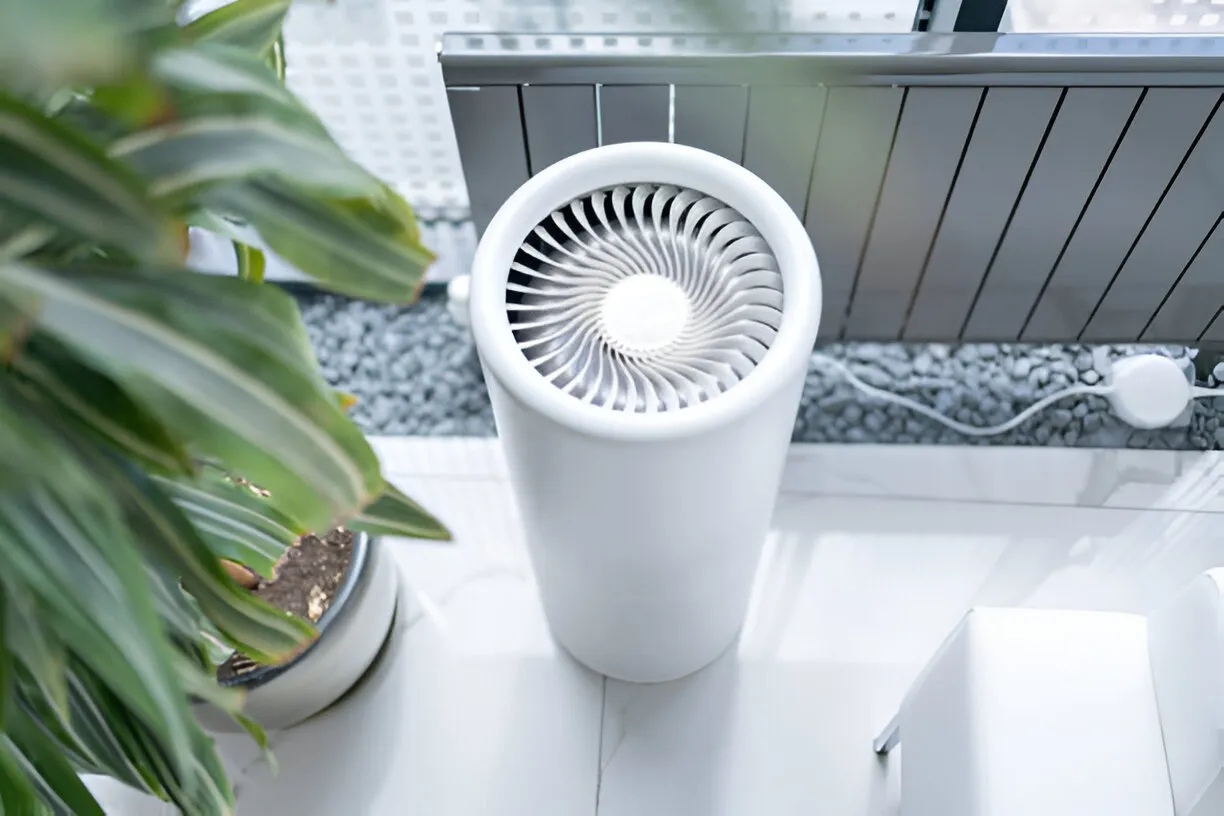
Why whole house filtration matters in Willis, TX
- Willis experiences prolonged humidity and seasonal pollen that feed mold and keep airborne particles circulating longer.
- Homes near wooded lots, Lake Conroe, or busy roads have higher particle loads from pollen, pollen fragments, vehicle exhaust, and occasional smoke.
- Central HVAC systems recirculate indoor air; without effective filtration, contaminants spread through all living spaces.
- Effective whole house filtration improves respiratory comfort, reduces visible dusting and HVAC system contamination, and helps your system run more efficiently by keeping coils and ductwork cleaner.
Van Eddies Heating & Air Conditioning understands these regional conditions and installs systems sized and selected for local needs.
Common whole house air quality problems in Willis homes
- Persistent allergy symptoms during spring and fall pollen peaks
- Frequent dusting and visible dust buildup on furniture and registers
- Odors or musty smells indicating mold growth on coils or in ducts caused by humidity
- Smoke intrusion after nearby controlled burns or wildfires
- Frequent HVAC filter clogs and reduced airflow
- Occupants with asthma, COPD, or chemical sensitivities experiencing worsened symptoms indoors
Addressing these issues starts with choosing the right filtration approach for your home and household sensitivities.
Whole house filtration options and how they work
Below are the primary whole house solutions typically recommended for Willis residences. Each has strengths and tradeoffs depending on home layout, existing HVAC equipment, and health needs.
- Media air cleaners
- Large cabinet-style filters installed in the return duct or at the air handler.
- Use deep-pleated media to trap large volumes of dust, pollen, and some fine particles.
- Lower pressure drop than very dense pleated disposable filters, making them friendly to many systems.
- Good for homes with heavy dust loads, pets, or those wanting regular but not surgical-level filtration.
- Whole house HEPA systems
- HEPA (High Efficiency Particulate Air) captures 99.97 percent of particles down to 0.3 microns when air passes through the HEPA element.
- True whole house HEPA is achieved using a dedicated cabinet and often a bypass or supplemental fan when installed in standard residential HVAC systems.
- Ideal for households with severe allergies, asthma, or immune-compromised occupants, but requires careful system design to avoid airflow restrictions.
- Electronic air cleaners and electrostatic precipitators
- Use charged plates or ionization to capture particles on collector plates.
- Effective at removing a broad range of particle sizes and reusable after cleaning.
- Performance depends on regular cleaning of collector cells and proper electrical operation.
- Can be combined with secondary filters to capture ozone-sensitive environments.
- UV coil and in-duct UV air purifiers
- Ultraviolet lamps installed near the evaporator coil and/or in-duct to reduce microbial growth on coils and in airstreams.
- UV lamps do not remove particulates but reduce mold, bacteria, and some viruses that grow on damp coils and drip pans.
- Best used in combination with filtration to address both biological and particulate contaminants.
Choosing one or a combination depends on whether your priority is particle removal, microbial control, or both.
Understanding MERV ratings and filter selection
MERV (Minimum Efficiency Reporting Value) measures a filter's ability to capture particles across different size ranges. Choosing the right MERV rating balances filtration effectiveness with HVAC performance.
- MERV 1-4: Basic protection for larger particles such as lint. Not recommended for allergy or smoke concerns.
- MERV 5-8: Typical residential pleated filters that trap common dust, pollen, and pet dander.
- MERV 9-12: Better at capturing smaller particles, including some fine dust and mold spores, suitable for homes with moderate allergy concerns.
- MERV 13-16: High-efficiency filters capable of capturing many small particles including combustion particles and some bacteria. Often recommended for allergy and asthma sufferers, but these filters create more resistance to airflow.
Important selection points for Willis homes:
- For many Willis households, a MERV 8 to MERV 11 filter provides a good balance between particle capture and airflow for older or standard HVAC systems.
- If household members have moderate to severe allergies or you want better smoke and fine particle control, MERV 13 or higher may be appropriate—provided your system can handle the added static pressure or you upgrade the air handler/blower.
- Whole house media cabinets and dedicated HEPA installations allow higher-efficiency filtration with less negative impact on airflow.
Van Eddies Heating & Air Conditioning evaluates your system capacity and recommends filters that meet health needs without compromising system reliability.
How we assess compatibility with existing HVAC systems
Not every filter fits every system. Proper compatibility checks avoid reduced airflow, poor comfort, and increased energy use.
- Inspection: We inspect the air handler, filter cabinet, return duct, blower motor, and existing filter access to determine physical fit and static pressure capacity.
- Airflow testing: Measuring current static pressure and airflow helps determine whether your blower can tolerate higher-efficiency filters without losing performance.
- Space evaluation: Some homes require a media cabinet or modification of the return plenum to accommodate larger filters or HEPA modules.
- Blower and motor check: Variable speed or ECM blowers can better handle denser filters. Older PSC motors may struggle with MERV 13+ without modifications.
- Ductwork condition: Leaky or undersized ducts reduce whole house filtration effectiveness. Sealing and addressing leaks improves both air quality and filtration performance.
Upfront diagnostics ensure the chosen filtration solution works with your system instead of against it.
Installation process: what to expect
A typical whole house filtration installation follows a structured process to ensure performance and safety.
Evaluation and sizing
- Assess filter requirements based on home size, occupant needs, and HVAC capacity.
- Recommend media cabinet, HEPA module, electronic cleaner, UV lamp placement, or combination.
Proposal and system configuration
- Document system changes to the return duct, locations for UV lamps, electrical needs for electronic cleaners, and any blower upgrades if required.
Professional installation
- Install media cabinet or HEPA housing in the return, mount and wire electronic cleaners or UV lamps, and make any necessary duct modifications.
- Ensure the system maintains proper airflow and that filters are accessible for maintenance.
System start up and testing
- Measure static pressure, confirm blower operation, verify UV lamps are functioning, and test electronic collector performance.
- Walk through expected maintenance steps and replacement schedules.
This systematic approach minimizes surprises and helps the filtration solution perform as intended in Willis homes.
Routine maintenance and filter replacement schedules
Maintenance keeps performance high and prevents system strain. General guidelines for Willis area homes:
- Standard pleated filters (MERV 8 to 11)
- Inspect monthly.
- Replace every 1 to 3 months depending on dust load, pets, and season. During high pollen or wildfire smoke events, check monthly.
- MERV 13+ disposable filters
- Inspect monthly.
- Replace every 1 to 3 months. Systems using MERV 13 should be monitored for airflow stress.
- Media air cleaners
- Pre-filters replaced every 3 months.
- Media panels generally replaced every 6 to 12 months depending on loading.
- Cabinet inspected annually.
- Electronic air cleaners
- Collector cells or plates cleaned every 3 to 6 months.
- High-voltage power supply inspected annually for performance and safety.
- Whole house HEPA systems
- Pre-filters replaced monthly or per manufacturer guidance.
- HEPA modules replaced according to manufacturer recommendations, often every 1 to 3 years based on loading.
- System airflow and differential pressure checked annually.
- UV lamps
- UV-C lamps degrade over time and should be replaced approximately every 12 months for reliable microbial control.
- Keep coil and drip pan clean to maximize UV effectiveness.
- General
- Annual HVAC tune-up should include a check of filtration components, static pressure, and any biological growth on coils or in ducts.
- Homes with pets, smokers, or high pollen exposure will require more frequent maintenance.
Following these schedules helps maintain indoor air quality and extends HVAC equipment life.
Performance expectations and measurable improvements
When properly specified and maintained, whole house filtration delivers measurable benefits for Willis homes:
- Reduced visible dust and longer periods between dusting
- Noticeably fewer allergy symptoms for many occupants during local pollen seasons
- Reduced particles that can carry odors and some pathogens
- Cleaner HVAC coils and ductwork, which helps maintain system efficiency and reduce repair needs
- HEPA installations can remove nearly all airborne particulates down to 0.3 microns when air passes through the HEPA element
It is important to set realistic expectations: filtration reduces airborne particles but does not eliminate all contaminants instantly, and some sources like airborne VOCs require additional ventilation or activated carbon filtration. Also, filtration works best combined with good humidity control in Willis, where high humidity promotes mold growth.
How to choose the right system for your home in Willis
Consider these questions when selecting a whole house solution:
- What are the main indoor air quality concerns? Allergies, asthma, smoke, pet dander, odors, or microbial growth?
- Are there occupants with immune compromise, severe asthma, or other conditions that demand higher protection?
- What type of HVAC system do you have? Older systems may need modifications to support high-efficiency filters.
- Do you want low-maintenance reusable systems (like electronic cleaners) or straightforward disposable filters?
- Is moisture control a priority? Combining filtration with a whole house dehumidifier is often beneficial in Willis.
- How important is near-HEPA performance versus energy and airflow considerations?
Practical tips:
- For general allergy reduction and dust control in Willis, a media air cleaner or MERV 8 to MERV 11 pleated filter often provides a good balance.
- For severe allergies or smoke sensitivity, consider a whole house HEPA system combined with a prefilter and a capable blower or bypass design.
- Use UV coil treatment in humid homes to reduce mold growth on coils and maintain cooling efficiency during hot months.
- Ensure any high-efficiency setup includes airflow testing after installation.
Van Eddies Heating & Air Conditioning recommends solutions tailored to the specific home, occupant needs, and equipment configuration.
Promotions, financing, and value considerations
Van Eddies Heating & Air Conditioning provides information about available promotions and financing options for qualifying homeowners. Financing can make higher-efficiency systems, HEPA installations, and combined filtration and dehumidification projects more accessible. Discussing expected maintenance costs, filter replacement schedules, and energy impacts helps homeowners evaluate long-term value versus short-term expense.
Note that system selection should be driven by health needs and HVAC compatibility rather than lowest initial cost.
Why a professional installation matters
Installing whole house filtration involves more than dropping in a filter. Proper performance requires correct sizing, attention to airflow, secure mounting, and integration with the HVAC control and electrical systems.
- Improperly sized high-efficiency filters can reduce airflow, leading to uneven comfort, frozen coils, and increased compressor run time.
- UV lamps require correct placement near coils and safe electrical installation.
- Electronic cleaners need routine maintenance and correct grid voltages for safe operation.
- Media cabinets and HEPA housings must be properly sealed and mounted to prevent bypass.
Van Eddies Heating & Air Conditioning combines local knowledge of Willis climate impacts with HVAC best practices to recommend systems that work efficiently and reliably across the seasons.
Measurable indicators your system is working
- Lower dust accumulation on furniture and registers
- Fewer allergy episodes during typical pollen periods
- Reduced odors and mustiness near return registers
- Stable HVAC static pressure readings after installation
- UV lamp indicators or collector cleanliness verifying maintenance
Regular inspections and annual tune-ups help verify ongoing performance.
Maintenance Plan
Heat Pump/ AC Tune-Up

Furnace Tune-Up
Customer Testimonials