



Whole House Dehumidification in Metro West, FL



Excess indoor humidity is one of the most common comfort and health complaints in Metro West, FL. Summers are long, the Atlantic and inland water bodies keep the air humid year round, and everyday activities like cooking and showering add moisture to the air. Whole house dehumidification reduces indoor relative humidity (RH) throughout your home, improving comfort, slowing mold and dust mite growth, protecting finishes and possessions, and often helping your air conditioner run more efficiently. Van Eddies Heating & Air Conditioning installs, sizes, and services whole-home dehumidification systems designed specifically for Metro West homes, balancing performance and energy use while integrating smoothly with your existing HVAC system.
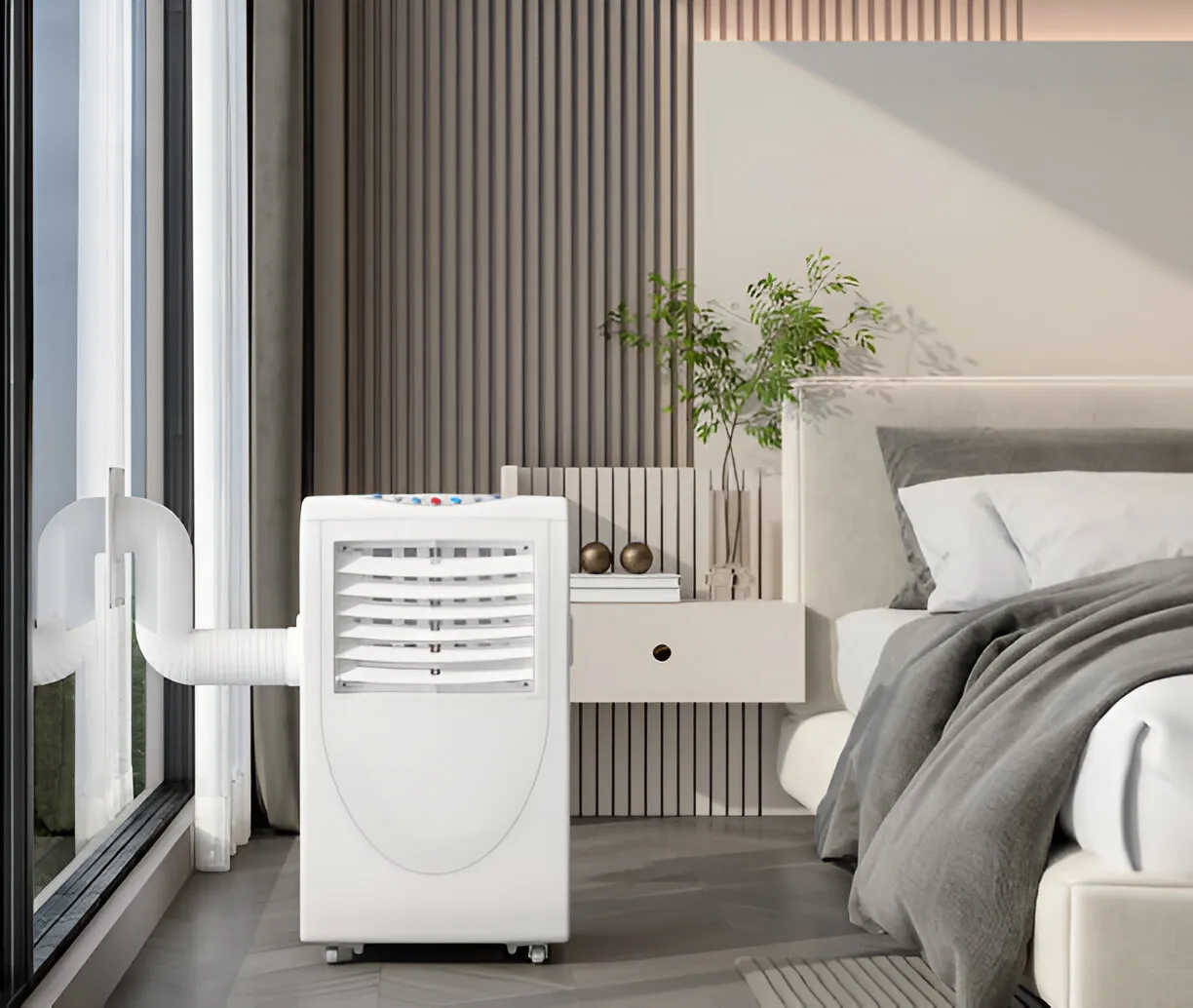
Why dehumidification matters in Metro West, FL
Florida’s climate creates persistent humidity challenges:
- Outdoor RH averages are high during the summer and remain elevated through much of the year, increasing the chance of moisture intrusion.
- Coastal and inland waterways raise baseline moisture levels that leak into homes through vents, doors, windows, and crawlspaces.
- Attics, crawlspaces, and poorly ventilated bathrooms and laundry rooms become moisture traps that encourage mold, wood rot, and odors.
High indoor humidity makes air feel hotter than it is, forces your air conditioner to work harder to remove both heat and moisture, and creates ideal conditions for mold, mildew, dust mites, and musty odors. Controlling humidity to recommended levels (typically 45 to 55 percent RH in Florida) improves perceived comfort without lowering thermostat setpoints and protects building materials and personal belongings.
Common signs Metro West homeowners need whole-house dehumidification
- Visible mold or mildew on walls, ceilings, baseboards, or closet interiors.
- Persistent musty or damp smells in living spaces, closets, or basements/crawlspaces.
- Condensation on windows, especially in mornings or on cooler surfaces.
- Peeling paint, blistering wallpaper, warped wood floors, or swollen doors.
- Worsening allergy or asthma symptoms when indoors, especially in humid months.
- Your HVAC runs frequently but humidity remains high, or the system cycles short and still fails to lower RH.
- Frequent use of portable dehumidifiers or large humidity swings between rooms.
If you see any of these signs in a Metro West home, whole-house dehumidification should be evaluated. Portable units help spot treat single rooms, but they rarely control humidity homewide, do not address duct-borne moisture, and add noise and maintenance burdens.
Whole-home dehumidifier vs portable dehumidifiers: differences and tradeoffs
Whole-home dehumidifier (ducted)
- Installed as part of the HVAC system, typically mounted in the return plenum, attached to ductwork, or installed with a dedicated bypass loop.
- Controls humidity throughout every conditioned area and can be set to a specific RH target using a humidistat or integrated thermostat.
- Drains to existing condensate lines or a pumped drain, with professional electrical and control wiring.
- More energy efficient on a per‑pint basis for whole-house needs and quieter in living spaces.
- Reduces load on the air conditioner and provides consistent humidity control across zones when properly sized.
Portable dehumidifier
- Standalone unit for single rooms or small spaces.
- Easy to buy and deploy, with a removable water bucket or small condensate hose.
- Limited coverage, noisy, requires frequent emptying or pump maintenance, and moves moisture from one room to another if doors are open.
- Useful for spot control in closets or where duct installation is impractical, but not an efficient long-term whole-home solution.
For Metro West homes that experience persistent humidity issues, a ducted whole-house dehumidifier almost always offers better performance, reliability, and long-term value than portable units.
How whole-house dehumidification systems work and integrate with HVAC
Whole-house dehumidifiers use refrigeration or heat-pump technology to condense moisture out of the air, then return the drier air to the ducts. Key points of system operation and integration:
- Location: Most commonly installed in the return air plenum, on the return side of the air handler, or as a bypass unit that processes a portion of return airflow and returns drier air to the supply side.
- Controls: Systems use a dedicated humidistat, integrated controls with the HVAC thermostat, or smart controllers that allow setpoint scheduling and remote monitoring.
- Drainage: Condensate is routed to existing drains, utility sinks, or connected to a condensate pump if gravity drain is unavailable.
- Electrical: Dehumidifiers require a dedicated 120V or 240V circuit depending on capacity; professional installation ensures code compliance and safe wiring.
- Airflow and coil interaction: Proper integration avoids interfering with the HVAC evaporator coil. Some systems include an internal cooling coil or work in tandem with the air conditioner to remove both heat and moisture.
- Bypass and ductwork: Bypass configurations can process high volumes of air with minimal impact on HVAC airflow. Duct-mounted units must be sized to maintain proper static pressure and airflow to the air handler.
When properly integrated by a knowledgeable technician, a whole-house dehumidifier maintains consistent RH without creating pressure imbalances or airflow problems in the duct system.
Sizing and performance: what Metro West homeowners should know
Sizing a dehumidifier is not simply a matter of square footage. Key factors include:
- House size and total conditioned volume (cubic feet).
- Latent load: how much moisture is generated internally (occupant count, cooking, showers, plants) and infiltrated from outdoors.
- Climate: Metro West humidity levels and seasonal patterns increase latent loads compared with drier regions.
- Ductwork condition: Leaky ducts introduce humid outdoor air into the system, increasing demand.
- Target RH: Typically 45 to 55 percent RH is recommended for Florida homes to balance comfort and mold control.
Capacity is often specified in pints per day (ppd) of moisture removed at standard conditions. For Metro West homes, whole-house units range from modest 30-50 ppd units for smaller, tight homes to 70-130 ppd or larger for higher latent load properties, large families, or homes with prior moisture damage. An accurate on-site assessment is the only reliable way to determine the correct size. Undersizing leads to persistent high RH; oversizing wastes energy and can cause excessive drying or short cycling.
Performance metrics to compare:
- Pints per day at realistic conditions (not just laboratory numbers).
- Coefficient of performance (COP) or energy factor: how many pints of water removed per unit of electricity used.
- Integration features such as variable speed fans and automatic defrost for cooler months.
- Control options: humidistat accuracy, remote sensors, and multi-zone capability.
Energy and efficiency considerations
A whole-house dehumidifier uses electricity to remove moisture. Key efficiency considerations:
- Proper sizing prevents wasteful continuous operation.
- Units with variable speed fans and modulating controls use less power and maintain tighter RH control.
- Efficient models remove more moisture per kilowatt-hour and reduce the latent load the air conditioner must handle.
- Improving building envelope performance (sealing leaks, insulating, weatherstripping) and repairing duct leaks reduces overall latent load and maximizes dehumidifier efficiency.
- In many Metro West homes, a dehumidifier will reduce AC runtime because the thermostat measures dry-bulb temperature while humidity contributes to perceived heat; with lower RH, occupants feel comfortable at slightly higher temperatures, potentially saving cooling energy.
When evaluating energy tradeoffs, consider the hidden costs of uncontrolled humidity: mold remediation, damaged finishes, and reduced HVAC lifespan from excessive condensate and corrosion.
Installation: what to expect during a professional whole-house dehumidifier install
A typical installation by Van Eddies Heating & Air Conditioning follows these steps:
- Pre-install assessment: A technician measures home size, inspects ductwork, checks current HVAC capacity, identifies high-moisture sources, and evaluates drain and electrical access.
- System selection: Based on latent load and integration needs, the proper capacity and configuration (return-mounted, bypass, or dedicated dehumidifier) is chosen.
- Prepare site: Access to the return plenum or dedicated location is cleared, and any required framing or duct modifications are planned.
- Mechanical installation: The dehumidifier is mounted, connected to the ductwork or plenum, and if using a bypass, the bypass loop is created and balanced.
- Condensate connection: The condensate drain is tied into existing drainage or routed to a condensate pump if needed.
- Electrical and control wiring: A dedicated circuit is installed and the humidistat/control is mounted in a representative location away from direct shower, kitchen, or dryer exhaust.
- Commissioning and testing: Airflow, static pressures, and humidity control are tested. The system is balanced to ensure no negative pressure is created and the dehumidifier meets the target RH.
- Handover and guidance: Homeowners receive operating setpoints, maintenance guidance, and troubleshooting tips.
Installation time varies by home complexity but is usually completed in one day for typical residential systems. Professional installation minimizes leaks, ensures proper drainage, and optimizes control placement to avoid false readings.
Maintenance tasks and recommended service schedule
Routine maintenance keeps a whole-home dehumidifier performing efficiently:
- Quarterly or biannual filter cleaning or replacement, depending on the model and installed location.
- Annual professional inspection: check refrigerant charge, coil cleanliness, fan motor condition, drain lines, and electrical connections.
- Keep the drain line clear of clogs and inspect condensate pump operation if installed.
- Clean surrounding ductwork and ensure return grills are unobstructed.
- Test humidistat accuracy and recalibrate if sensors drift.
- Watch for unusual noises, leaks, or frost buildup on coils — these are signs to call for service.
Regular maintenance extends equipment life, preserves energy efficiency, and prevents secondary issues like water leaks or microbial growth inside the unit.
Common problems and their causes (diagnostic checklist)
Symptom: Unit runs but humidity remains high
- Cause possibilities: undersized unit, extensive duct leakage, improper control placement, continuous indoor moisture sources (e.g., multiple long showers), or sensor failure.
Symptom: Unit leaks or pools water
- Cause possibilities: clogged condensate line, improperly pitched drain, cracked drain pan, disconnected tubing, or frozen coil causing rapid melt.
Symptom: Unit cycles frequently or short-cycles
- Cause possibilities: oversized unit, control misconfiguration, short-circuiting of airflow, or fluctuating supply voltage.
Symptom: Unit freezes up or shows frost on coil
- Cause possibilities: low refrigerant, restricted airflow, low ambient temperatures without defrost control, or fan motor issues.
Symptom: Excessive noise or vibration
- Cause possibilities: loose mounting, failing fan motor, or duct resonance.
A professional diagnostic will inspect airflow (CFM), static pressure, humidity sensors, drainage, refrigerant levels, and control wiring to determine the root cause.
Benefits beyond comfort: health, home preservation, and resale value
Controlling humidity offers wide-ranging benefits:
- Health: Lower RH reduces mold, mildew, dust mite populations, and volatile organic compound persistence, improving indoor air quality and reducing allergy triggers.
- Structural protection: Wood floors, cabinets, doors, and trim are less likely to warp; paint and wallpaper adhere better; metal surfaces corrode more slowly.
- Odor control: Reduced microbial growth limits musty smells in closets, crawlspaces, and furnishings.
- Appliance and electronics protection: Humidity accelerates corrosion and reduces the life of electronics and musical instruments.
- Resale and inspections: Homes with documented humidity control are more attractive to buyers and inspectors because they indicate fewer moisture-related risks.
These benefits are particularly relevant in Metro West, where year-round humidity increases the long-term risk to finishes and indoor air quality.
Choosing the right system and features to look for
When evaluating whole-house dehumidifiers for Metro West homes, consider these features:
- Proper capacity for your home’s latent load, not just square footage.
- Energy efficiency ratings and pint-per-kWh performance.
- Variable-speed fans and modulation for quieter, steadier operation.
- Built-in controls compatible with your thermostat or smart-home platform.
- Reliable defrost controls for cooler mornings or winter operation.
- Low-maintenance filters and easy access for servicing.
- Durable condensate management with accessible drain connections and optional condensate pump.
- Manufacturer support and local service capability for warranty repairs and routine maintenance.
Van Eddies Heating & Air Conditioning emphasizes proper assessment and matched equipment selection to avoid common mismatches that reduce system effectiveness.
Practical humidity control strategies for Metro West homes
Whole-house dehumidification works best in combination with other measures:
- Seal air leaks around doors, windows, and duct penetrations to reduce infiltration of humid air.
- Ventilate sensibly: use exhaust fans in kitchens and bathrooms and vent clothes dryers to the outside.
- Insulate and seal ducts, especially in unconditioned attics or crawlspaces.
- Address exterior moisture sources: improper grading, irrigation overspray, and clogged gutters can raise indoor humidity.
- Use targeted dehumidification in crawlspaces or basements if those areas are major moisture contributors.
- Maintain HVAC equipment regularly to ensure coils and drain pans are clean and properly draining.
These complementary measures reduce latent load, allowing a smaller, more efficient dehumidifier to achieve the desired RH.
What you can expect after installation
Properly installed whole-home dehumidification stabilizes indoor RH to the selected setpoint. You should notice:
- Reduced stickiness and improved perceived comfort at the same thermostat settings.
- Less frequent visible condensation and fewer musty odors.
- Potentially reduced AC runtime for the same comfort level, depending on thermostat behavior.
- Fewer allergy flare-ups related to mold and dust mites.
- Improved preservation of woodwork, electronics, and stored items.
Continued regular maintenance and attention to indoor moisture sources will keep results consistent.
Maintenance Plan
Heat Pump/ AC Tune-Up

Furnace Tune-Up
Customer Testimonials