



Whole House Dehumidification in Montgomery County, TX



Living in Montgomery County, TX means coping with high humidity for much of the year. Coastal moisture and frequent summer heat combine to push indoor relative humidity into uncomfortable and unhealthy ranges. Whole house dehumidification is a targeted, long-term solution designed to protect your home, improve comfort, and reduce the workload on your air conditioning system. Van Eddies Heating & Air Conditioning installs, sizes, and services whole-house dehumidifiers built specifically for humid climates like ours, delivering reliable humidity control across every room.
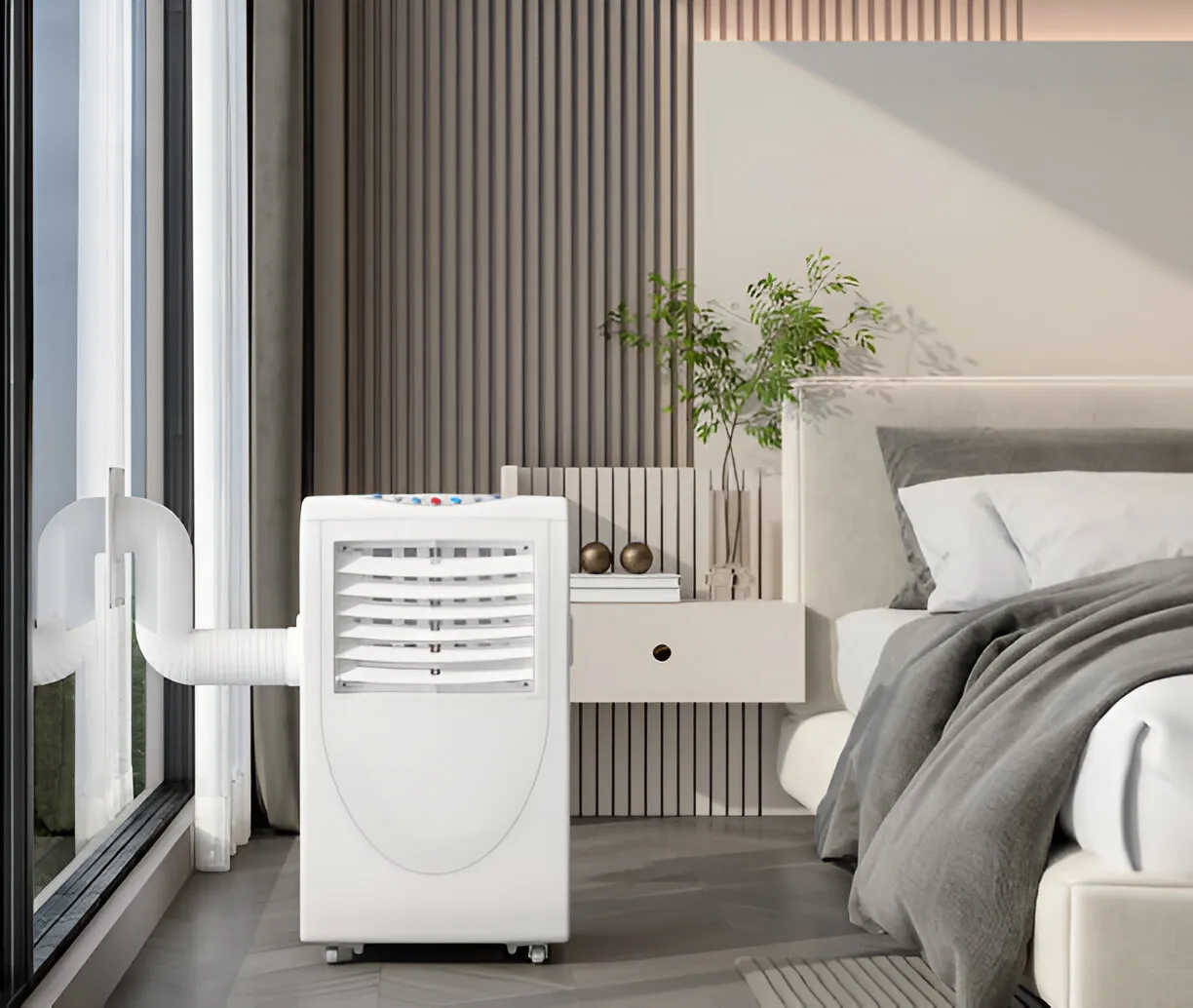
Why whole-house dehumidification matters in Montgomery County, TX
High indoor humidity is more than a sticky feeling. In Montgomery County, where seasonal outdoor relative humidity commonly sits well above 60 percent, indoor moisture causes problems that affect health, home durability, and energy costs:
- Mold and mildew growth in attics, crawlspaces, bathrooms, and behind walls
- Dust mite proliferation and higher allergen levels
- Musty odors and damaged finishes on wood floors, cabinets, and furniture
- Condensation on windows and metal surfaces that accelerates corrosion
- Perceived discomfort that leads homeowners to lower thermostat temperatures and run HVAC systems harder
A whole-house dehumidifier controls humidity proactively at the duct level or as a properly distributed stand-alone solution, reducing these risks across the living space rather than in isolated rooms. For Montgomery County homes, where humidity is a year-round issue, a properly installed system makes indoor air healthier and living spaces more comfortable without excessively overcooling your home.
Common whole-house dehumidification options and the problems they solve
Whole-house dehumidifiers are available in different configurations to match home size, ductwork, and specific humidity challenges.
- Ducted whole-house dehumidifiers
- Installed inline with the central HVAC return or supply ductwork
- Use the home s air handler to distribute conditioned, dehumidified air
- Best for homes with existing central forced-air systems and balanced ductwork
- Good when centralized control and even humidity across all zones is a priority
- Stand-alone whole-house dehumidifiers (ducted cabinet or distributed)
- Stand-alone cabinets placed in mechanical rooms or basements with dedicated ducting
- Ideal when retrofitting older homes with limited duct access or when separate drainage is preferred
- Some models serve single large areas but can be configured to support whole-home distribution
- Hybrid configurations
- Dehumidifier with dedicated ducting to high-humidity zones plus integration into the HVAC return
- Useful when specific areas require extra moisture control (crawlspaces, basements, sunrooms)
Typical humidity problems addressed:
- Persistent relative humidity above 55 percent indoors
- Condensation on windows or HVAC components
- Mold or mildew odors in closets, bathrooms, or attics
- Seasonal allergy symptoms worsening during summer months
Capacity selection: sizing a whole-house dehumidifier for your home
Correct sizing is essential to performance and efficiency. Whole-house dehumidifier capacity is typically measured in pints per day or liters per day at specific temperature and humidity conditions. In a humid climate like Montgomery County, effective sizing must account for local steady-state moisture loads and occasional extreme humidity.
Key factors used to size a system:
- Square footage and ceiling height of conditioned areas
- Building envelope tightness and insulation levels
- Number of occupants and typical internal moisture sources (cooking, showers, laundry, indoor plants)
- Presence of basements, crawlspaces, or attached garages that introduce extra moisture
- Local climate: high outdoor dew points and frequent humid days require higher capacity
General sizing guidance for Montgomery County homes:
- Small homes / tight envelopes (under 1,200 sq ft): 30 to 50 pints per day
- Medium homes (1,200 to 2,500 sq ft): 50 to 70 pints per day
- Large homes or high moisture loads (over 2,500 sq ft, basements, or many occupants): 70 to 100+ pints per day
These are starting points. Proper sizing requires a moisture load calculation that converts wet bulb or dew point data into pints per day demand. Van Eddies Heating & Air Conditioning uses local climate profiles and on-site inspections to recommend the right capacity so the system dehumidifies effectively without short-cycling or excessive energy use.
Ducted vs stand-alone: choosing the right installation for your home
- Ducted installation
- Pros: Provides uniform humidity control through existing HVAC distribution; can use the primary blower; integrates with HVAC controls for automatic operation; better aesthetics with hidden equipment.
- Cons: Requires compatible duct layout and return air capacity; may need modifications to air handler or controls; installation complexity can be higher in older homes.
- Stand-alone cabinet with dedicated ducting
- Pros: Easier retrofit in homes without a central system; can be located near a drain source; independent operation avoids interference with HVAC airflow; modular options for seasonal use.
- Cons: May require new duct runs for even coverage; cabinet noise depends on placement; might need a condensate pump for drainage.
For Montgomery County homes with modern central air systems, a ducted dehumidifier integrated into the return is often the best balance of performance and convenience. In homes with limited ductwork or unfinished basements, a stand-alone model designed for whole-house duty often makes more sense.
Controls and humidity setpoints: balancing comfort and building health
Setting the right indoor relative humidity (RH) is critical for comfort, health, and energy efficiency in a humid climate.
Recommended setpoints for Montgomery County, TX:
- Target RH: 45 percent is a practical balance for most homes. It reduces mold risk, improves comfort, and avoids over-drying.
- Upper limit: Avoid letting indoor RH climb above 55 percent; prolonged levels above 60 percent support mold growth and dust mite populations.
- Lower limit: Do not routinely set RH below 35 to 40 percent in summer, as excessively low humidity can dry out finishes and cause static electricity.
Dehumidifiers are typically controlled by a dedicated humidistat or integrated into a smart thermostat. In high humidity spikes, systems can run independently of cooling cycles to maintain RH without overcooling. Smart controls and sensors placed in representative living spaces (not in kitchens or bathrooms) ensure accurate readings and consistent humidity control across the house.
Energy use and efficiency considerations
Whole-house dehumidifiers consume additional energy, but when sized and controlled correctly they can reduce overall HVAC energy use by enabling higher thermostat setpoints and reducing AC runtime.
Energy factors to consider:
- Efficiency Rating: Look for models with high energy efficiency ratios specific to dehumidification. Modern models use variable-speed compressors and fans to match load.
- Integration with HVAC: A dehumidifier that allows the AC to run less frequently or at higher setpoints can produce net energy savings in humid climates. However, a poorly sized or miscontrolled unit may add unnecessary energy use.
- Duty cycles in Montgomery County: Because outdoor humidity is often high, the dehumidifier will run more frequently in summer months. Properly sized equipment with variable-speed controls reduces cycling losses and maintains stable RH with lower energy cost.
- Drainage and condensate handling: Efficient condensate removal (gravity drain where possible, properly sized condensate pumps otherwise) avoids additional electrical load from unnecessary pumping cycles.
Industry insight: Whole-home dehumidification systems are most energy-effective when used to maintain a mid-range RH (40-50 percent) that improves perceived comfort and decreases the need for overcooling. Investing in a higher-efficiency unit and smart controls pays dividends over time in both comfort and energy impact.
Maintenance tasks: what keeps a whole-house dehumidifier operating reliably
Whole-house dehumidifiers are mechanical systems that require routine maintenance to sustain performance and protect warranty coverage. Typical tasks and recommended schedules for Montgomery County conditions:
- Monthly to quarterly checks
- Clean or replace air filters as recommended by the manufacturer; in humid and dusty areas, monthly checks are common.
- Inspect condensate drain lines for clogs or algae buildup; flush with a mild solution if needed.
- Biannual maintenance (at minimum)
- Coil and coil pan cleaning to remove dust and biological growth that reduce heat transfer.
- Check and clean fan blades and blower assembly.
- Verify humidistat calibration and sensor placement for accurate control.
- Inspect electrical connections and condensate pump operation.
- Annual maintenance
- Comprehensive inspection of refrigerant pressures and system performance by a trained technician.
- Leak check and refrigerant top-off only if required.
- Verify insulation of condensate lines and duct connections to prevent condensation and energy loss.
- As-needed
- Replace desiccant or molecular sieve components in specialized models when specified by the manufacturer.
- Address unexpected drainage issues, unusual noises, or loss of capacity promptly.
Proper maintenance not only extends equipment life but also ensures the system protects your home from mold growth and moisture damage. Van Eddies Heating & Air Conditioning offers routine maintenance plans tailored to humid climates to keep dehumidifiers operating efficiently year-round.
Installation process: what to expect during a professional install
A professional installation in Montgomery County should follow a systematic process to ensure optimal performance.
Typical installation steps:
- On-site evaluation and moisture load calculation to confirm capacity and placement.
- Selection of installation location for the dehumidifier cabinet or duct connection considering noise, drainage, and service access.
- Ductwork modifications or new duct runs for even distribution if needed.
- Integration with HVAC controls or installation of a dedicated humidistat; placement of sensors in representative living areas.
- Proper condensate routing to gravity drain or condensate pump sizing and installation.
- Commissioning and performance testing, including verifying pints per day performance at local conditions and ensuring no interference with the primary HVAC airflow.
- Customer orientation on controls, setpoint recommendations, and maintenance expectations.
A correct installation protects structural components, improves comfort, and ensures the system meets manufacturer warranty conditions.
Repairs and common issues: what typically needs service
In Montgomery County s humid environment, some common service calls for whole-house dehumidifiers include:
- Drainage problems: clogged lines, pump failures, or improperly pitched drains leading to overflow and shutdowns.
- Reduced capacity: dirty coils, low refrigerant, or worn compressor performance causing inadequate dehumidification.
- Electrical issues: failed relays, control boards, or fan motors that stop the unit from running.
- Sensor or control faults: inaccurate humidistat readings or communication problems with the home HVAC controller.
- Excessive cycling or noise: improper sizing, poor airflow, or vibration that indicates mechanical wear.
Repair approach:
- Start with diagnostics of airflow, refrigerant, and drainage conditions.
- Address airflow and filtration issues first, as many capacity problems come from restricted air or dirty coils.
- Make electrical and mechanical repairs with OEM or approved replacement parts to maintain warranty integrity.
- Verify repairs by running the unit through a full dehumidification cycle under local humidity and temperature conditions.
Van Eddies Heating & Air Conditioning recommends preventive maintenance to catch small problems before they become major repairs, especially in Montgomery County where long humid seasons increase wear.
Maintenance plans, service agreements, and warranty information
Maintaining a whole-house dehumidifier through a planned service agreement protects performance and often preserves warranty coverage.
Maintenance plan features typically include:
- Scheduled filter changes and coil cleanings to prevent capacity loss
- Annual performance checks, including refrigerant pressure and electrical inspections
- Priority scheduling for repair calls during high-demand months
- Documentation for warranty claims and compliance with manufacturer maintenance requirements
Warranty basics to understand:
- Manufacturer warranties vary by component. Typical coverage may include 1 to 5 years for parts and longer for sealed components or compressors on higher-end models.
- Warranty terms often require evidence of periodic professional maintenance to remain valid. Keep service records and receipts.
- Labor warranties are separate and depend on the installer s policies. Ask for written documentation of any workmanship guarantee provided at installation.
Van Eddies Heating & Air Conditioning supports warranty coordination and offers maintenance plans designed to meet manufacturer service intervals and local climate demands, ensuring systems remain protected and operating efficiently.
Benefits of whole-house dehumidification for Montgomery County homes
Installing a whole-house dehumidifier brings multiple, measurable benefits for homeowners in humid East Texas:
- Mold prevention and improved indoor air quality
- Maintaining RH in the 40 to 50 percent range hinders mold growth and reduces dust mite populations, improving respiratory comfort for allergy sufferers.
- Improved comfort without overcooling
- Lower indoor humidity improves perceived comfort so thermostats can be set a few degrees higher without feeling sticky.
- Protection for structure and finishes
- Reduces wood warping, paint and wallpaper damage, and metal corrosion caused by elevated moisture.
- Lower long-term HVAC wear
- With humidity controlled, AC systems can avoid long-run cycles and moisture-related corrosion inside evaporator coils.
- Odor reduction
- Eliminates musty odors associated with damp fabrics, closets, and basements.
- Reduced drying times
- Laundry and wet spaces dry faster, and less moisture migration reduces attic and crawlspace moisture issues.
These benefits are particularly relevant in Montgomery County, where hot, humid summers and occasional subtropical storm events increase the likelihood of moisture intrusion and prolonged humidity problems.
Long-term considerations and best practices
To maximize the value of whole-house dehumidification in Montgomery County homes:
- Combine dehumidification with good ventilation practice
- Use ventilation strategically to control indoor pollutants while keeping humidity in check, especially during humid outdoor conditions.
- Improve building envelope
- Seal leaks, improve attic insulation, and ensure proper drainage around the foundation to reduce moisture entry and make dehumidification more effective.
- Monitor humidity in multiple rooms
- One sensor may not reflect conditions in basements, attics, or second-floor living spaces; use multiple sensors when necessary.
- Coordinate with HVAC maintenance
- Clean evaporator coils and ensure proper refrigerant charge so the air conditioner and dehumidifier can work together efficiently.
- Plan for seasonal demand
- Expect higher runtime in summer and plan maintenance checks before the humid season starts to avoid mid-season failures.
These steps help preserve equipment life, lower operating costs, and protect your home from moisture-related damage.
Maintenance Plan
Heat Pump/ AC Tune-Up

Furnace Tune-Up
Customer Testimonials