



Whole House Dehumidification in Winter Park, FL



Living in Winter Park, FL means dealing with high humidity year round. Whole house dehumidification in Winter Park, FL is a practical, long-term solution to control indoor moisture, stop mold growth, protect finishes and electronics, and improve comfort without overcooling your home. Van Eddies Heating & Air Conditioning installs, configures, and services whole-house dehumidification systems that are sized for Florida conditions and integrated with existing HVAC equipment to deliver steady relative humidity control across your living spaces.
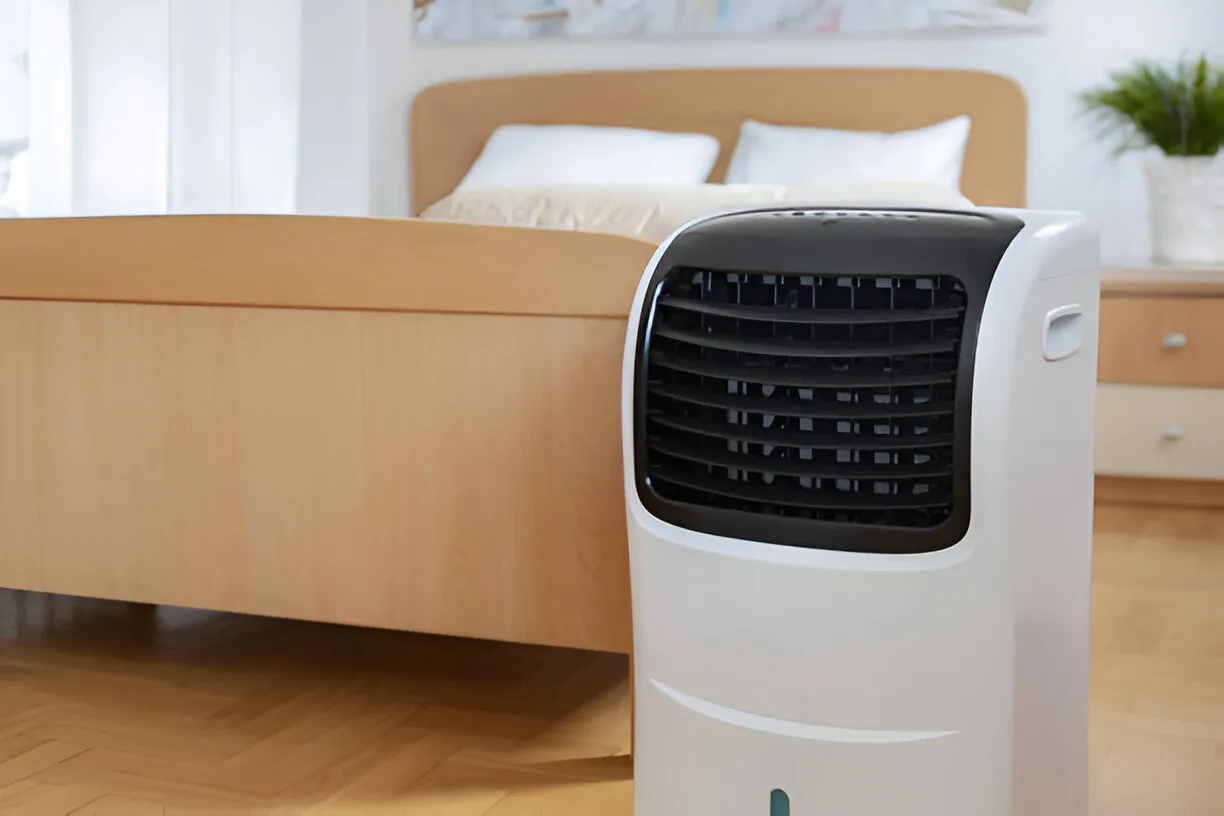
Why whole house dehumidification matters in Winter Park, FL
Winter Park sits in a hot, humid subtropical climate. Outdoor relative humidity frequently stays above 60 percent, and afternoon thunderstorms and humid sea breezes push moisture into homes. Typical Florida houses, whether slab-on-grade or raised with limited crawlspace ventilation, can trap moisture, making interiors feel muggy even when the air conditioner is running. Persistent high indoor humidity causes:
- Mold and mildew growth on walls, ceilings, closets, and behind furniture
- Musty odors, dust mite population growth, and worsened allergy symptoms
- Wood swelling, warping, and premature finish failure on flooring and cabinets
- Corrosion of electronics and HVAC components from salty, moist air
- Increased perceived temperature, prompting homeowners to lower thermostats and increase energy use
A properly designed whole-house dehumidification system keeps indoor relative humidity in the recommended range (typically 40 to 50 percent for Winter Park homes) so occupants feel comfortable at higher thermostat setpoints and the building envelope and contents remain protected.
Types of whole-house dehumidification systems
Selecting the right technology depends on building design, existing HVAC equipment, and indoor moisture sources. Primary options include:
- Ducted refrigerant dehumidifiers (air conditioner-style compressors integrated into the duct system) - the most common residential whole-house solution; they remove moisture from return air and discharge drier air into the supply.
- Standalone ducted dehumidifiers (mounted near the air handler or in utility spaces) - compact, modular units that connect to ducts, condensate drain, and a power circuit.
- Desiccant dehumidifiers - effective at low temperatures and for specialized spaces; typically used in commercial applications or where extremely low humidity is required.
- Integrated coil dehumidification within high-efficiency air conditioners or heat pumps - some modern variable-speed systems include enhanced dehumidification modes, often with reheat, to avoid overcooling while lowering humidity.
- Dedicated dehumidifiers for crawlspaces and attics - these protect building cavities that collect moisture but are not considered whole-house solutions unless ducted air exchange is arranged.
For Winter Park residences, ducted refrigerant whole-house units or standalone ducted dehumidifiers paired with the central HVAC system are most common and cost-effective.
Common whole house dehumidification issues in Winter Park, FL
Recognizing typical problems helps set realistic expectations and ensures the system performs reliably:
- Undersized units that cannot keep up during humid months or after heavy storms
- Oversized units that short-cycle and fail to adequately remove moisture from air
- Poor condensate routing or clogged drains causing backup and water damage
- Insufficient airflow or duct leakage reducing system capacity
- Incompatible controls or lack of an accurate whole-house humidistat
- Not addressing moisture sources like plumbing leaks, indoor pools, or insufficient attic ventilation
- Corrosion and salt-air damage to outdoor components if materials are not marine-grade
Van Eddies Heating & Air Conditioning evaluates these risks during selection and installation to minimize common failures in Winter Park homes.
How whole house dehumidifiers work (in plain language)
A ducted refrigerant dehumidifier operates similarly to your air conditioner, but its airflow, refrigerant charge, and coil design prioritize moisture removal over temperature reduction. Return air from the house passes over a cold evaporator coil where moisture condenses and drains away. The drier air is then reheated slightly or mixed with conditioned supply air before entering living spaces. Controls monitor relative humidity and cycle the dehumidifier to maintain the set point. When integrated with your HVAC system, the dehumidifier works with the air handler to maintain comfortable humidity while preserving temperature control.
Key components and functions:
- Duct connection to return and supply plenums for whole-house coverage
- Evaporator and condenser coils sized for dehumidification loads
- Internal condensate pan and drain or condensate pump
- Dedicated humidistat or integration with a smart thermostat
- Electrical disconnect and safety controls
Sizing and placement considerations for Winter Park homes
Correct sizing is critical. Unlike portable units, whole-house systems are selected based on the actual moisture load, not just square footage. Factors to consider:
- Home size and number of occupants (more people means more moisture)
- House tightness and insulation quality (leaky homes bring in outdoor humidity)
- Presence of moisture sources (indoor pools, aquariums, frequent cooking or showers, plants)
- Duct layout and air handler capacity
- Local climate: Winter Park’s high year-round humidity and warm temperatures increase load
Typical residential whole-house dehumidifiers range from 50 to 140 pints per day AHAM rating. For Florida homes:
- Small, tightly sealed condos or apartments may need 35 to 70 pints per day
- Average single-family homes (1500 to 2500 sq ft) commonly require 70 to 120 pints per day
- Larger, high-occupancy homes or homes with significant moisture sources may require 120+ pints per day
These are starting ranges. A professional moisture load calculation accounts for local conditions, occupancy, and building specifics. Placement is usually in a central mechanical space: attic (if conditioned and accessible), closet, garage area, or near the air handler. Units mounted on or near the return plenum ensure even distribution and efficient operation.
Installation process and what to expect
A professional installation follows a clear sequence to ensure peak performance and code compliance:
- Site assessment and moisture load calculation
- Unit selection (capacity, energy factor, corrosion-resistant components)
- Plan condensate routing (gravity drain or condensate pump), electrical circuit, and control wiring
- Modify ducts or install dedicated duct runs for optimal airflow
- Mount the dehumidifier and connect to return and supply plenums
- Tie in control with a dedicated humidistat or the home thermostat/automation system
- Commissioning: balance airflow, verify condensate drainage, calibrate humidistat, and measure initial performance
- Provide maintenance instructions and set recommended humidity set points for Winter Park climate
Proper commissioning ensures the whole-house dehumidifier operates efficiently and avoids problems like short-cycling or insufficient air movement.
Energy implications and operating costs
Whole-house dehumidifiers consume electricity, but modern units are more efficient than older designs, and their benefits can offset some cooling costs. Key points:
- Energy use varies by capacity, technology, and ambient conditions. Many residential whole-house units use roughly 600 to 1500 watts when running, depending on size and efficiency.
- Look at the unit’s Energy Factor or liters per kilowatt-hour (L/kWh) and AHAM pints-per-day rating to compare real-world efficiency.
- In Winter Park, controlling humidity can allow you to set the thermostat 2 to 4 degrees higher while maintaining the same perceived comfort, which often reduces overall cooling energy use.
- Dehumidification can reduce AC runtime by removing moisture more effectively than temperature-only cooling; however, total energy use includes dehumidifier consumption plus any cooling needed.
- Properly integrated systems with variable-speed components and smart controls minimize energy penalties by running at low speed over longer cycles rather than frequent starts and stops.
A professional assessment from Van Eddies Heating & Air Conditioning includes estimated operating costs based on local electricity rates and expected seasonal runtimes.
Maintenance requirements to keep performance steady
Regular maintenance preserves capacity and prevents failures. Recommended tasks for whole-house dehumidifiers:
- Replace or clean the inlet filter every 1 to 3 months depending on dust levels
- Inspect and clean the evaporator and condenser coils annually
- Verify condensate drain lines are clear and condensate pumps function reliably
- Check for duct leaks and ensure return air path is unobstructed
- Calibrate and test the humidistat once per season
- Inspect electrical connections and safety controls during yearly HVAC service
Seasonal checks are especially important in Winter Park where heavy rains and high humidity increase workload on equipment. Van Eddies Heating & Air Conditioning includes dehumidifier inspection in routine HVAC maintenance plans to maintain efficiency and reduce unexpected service.
Performance metrics and what results to expect
When properly sized and installed, a whole-house dehumidifier should:
- Reduce indoor relative humidity from typical Winter Park levels (often 60 to 70 percent) to a controlled range (40 to 50 percent) within hours to days depending on initial conditions
- Maintain setpoint with reasonable cycling (longer, low-speed cycles are preferred)
- Eliminate sustained condensation on windows and cold surfaces
- Reduce musty odors and visible mold growth over a few weeks
- Improve perceived comfort so occupants can tolerate higher thermostat settings
Useful metrics to monitor:
- AHAM pints per day rating at 80F and 60 percent RH (industry standard)
- Energy factor (L/kWh) for efficiency comparison
- Runtime hours per day and average wattage draw for estimating operating cost
- Indoor relative humidity measured by a calibrated humidistat or data logger
Correct expectations include slower results for long-standing or hidden mold issues, where mold remediation may be required in addition to dehumidification.
Pairing with existing HVAC equipment and ventilation systems
Whole-house dehumidifiers are often paired with central AC or heat pump systems, but proper integration matters:
- Install on the return plenum or adjacent to the air handler to leverage existing circulation and ensure whole-home coverage
- Ensure the air handler and duct system provide adequate airflow for the dehumidifier to operate efficiently; additional blower capacity may be required
- Coordinate controls so the dehumidifier and air conditioner do not conflict; integrated control strategies prevent the dehumidifier from fighting the AC
- Variable-speed air handlers and modulating compressors improve dehumidification by maintaining lower supply-air temperature and extended runtimes
- Be cautious with ventilation: introducing large amounts of outdoor air without dehumidification increases load. Energy recovery ventilators (ERVs) and heat recovery ventilators (HRVs) must be selected and sized for hot-humid climates; ERVs transfer moisture and may not reduce moisture load if not properly balanced
- Condensate handling must be designed for gravity or pumped removal; in Florida, consider corrosion-resistant materials and secondary drain protection
A well-integrated system balances temperature control, ventilation, and dehumidification to maximize comfort and efficiency.
Selecting the right unit for your Winter Park home
When choosing a whole-house dehumidifier, evaluate these criteria:
- Capacity matched to professional moisture load calculations (not only square footage)
- AHAM rating and Energy Factor for apples-to-apples efficiency comparison
- Compatibility with your air handler and ductwork; check blower capacity and static pressure limits
- Controls: dedicated humidistat, remote sensing options, and smart thermostat integration
- Corrosion-resistant components and protective coatings suited to coastal Florida air
- Warranty, local service support, and maintenance accessibility
- Noise level and physical footprint relative to available mechanical space
Van Eddies Heating & Air Conditioning can assess your home, recommend appropriately sized models, and ensure installation is compliant with local codes and optimal for Winter Park conditions.
Addressing common misconceptions
- Dehumidifiers will not over-dry most Winter Park homes. Because outdoor humidity is high year round, whole-house systems usually maintain a balanced indoor RH around the setpoint.
- You cannot simply rely on your air conditioner to solve moisture problems. ACs are primarily temperature control devices and may not run long enough to remove sufficient moisture during mild weather.
- Bigger is not always better. Oversized units cycle too frequently and do not remove moisture efficiently. Professional sizing prevents this.
- Dehumidification is not a substitute for mold remediation. If mold is present, the source must be remediated before expecting full resolution from dehumidification alone.
Long-term benefits for Winter Park homeowners
Investing in whole-house dehumidification delivers measurable benefits:
- Reduced mold risk and improved indoor air quality
- Less visible condensation, preventing paint and trim damage
- Protection for electronics and appliances from corrosion
- Greater occupant comfort at higher thermostat settings, reducing perceived cooling demands
- Extended service life for HVAC equipment by reducing humidity-related wear
- Fewer allergy and asthma triggers from dust mites and mold spores
These outcomes are particularly important in Winter Park where the combination of heat, humidity, and occasional storm-driven moisture exposures make moisture control a year-round concern.
Monitoring and performance verification
After installation, performance verification ensures the system meets expectations:
- Measure indoor RH at multiple locations and heights to verify uniform control
- Record runtime and power draw in different weather conditions to estimate operating cost
- Recheck humidistat calibration and control logic after seasonal transitions (summer to rainy season)
- Use data logging if necessary to diagnose intermittent humidity spikes tied to weather events or occupancy patterns
Ongoing monitoring helps detect duct leaks, condensate issues, and control problems early so they can be corrected before mold or structural damage develops.
Maintenance Plan
Heat Pump/ AC Tune-Up

Furnace Tune-Up
Customer Testimonials