



Whole House Dehumidification in Winter Springs, FL



Living in Winter Springs, FL means dealing with high humidity year round. Even when temperatures drop in winter, subtropical dew points keep indoor moisture elevated. For many homeowners the result is persistent clamminess, musty odors, condensation on windows, and an increased risk of mold and dust mite growth. Whole house dehumidification offers a long-term, integrated solution that controls relative humidity throughout the home, protects building materials and furnishings, and improves perceived comfort without relying solely on lower thermostat settings. Van Eddies Heating & Air Conditioning provides local expertise in selecting, installing, and maintaining whole-home dehumidifiers that fit Winter Springs homes and lifestyles.
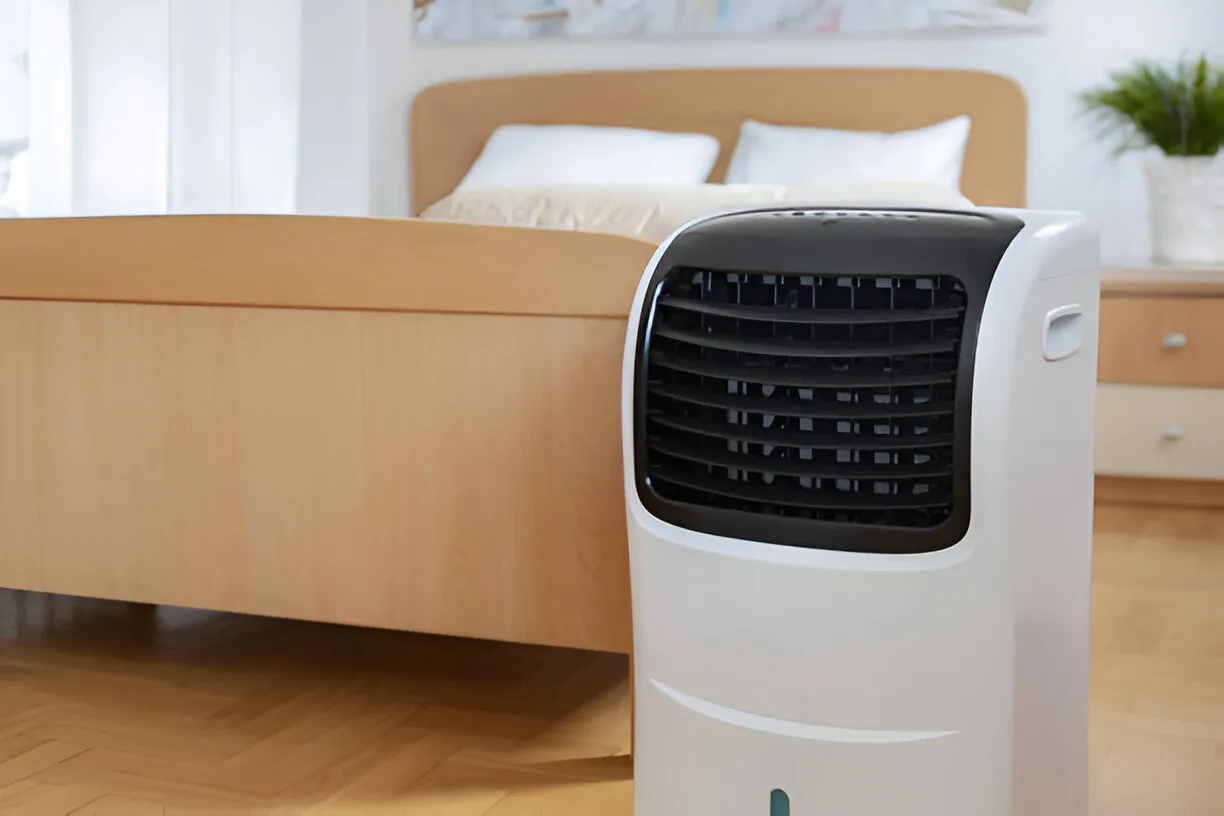
Why whole house dehumidification matters in Winter Springs
- Winter Springs has high average humidity even in the cooler months. Homes that are tightly sealed to improve energy efficiency can trap moisture from showers, cooking, laundry, and even breathing.
- Excess indoor humidity causes visible condensation on windows, peeling paint, warped wood floors or trim, and accelerated rust on appliances and electronics.
- Mold and mildew thrive above roughly 60 percent relative humidity. Reducing indoor humidity to the 40 to 50 percent range minimizes microbial growth and associated allergy and asthma triggers.
- Relying on air conditioning alone to control humidity is inefficient and often unsatisfactory in shoulder seasons or mild winter days when cooling is not needed but dehumidification is.
Whole house dehumidification is a targeted approach that controls humidity independently of temperature, maintaining healthier indoor air year round for Winter Springs homes.
Whole-home units versus portable dehumidifiers: which is right for your home?
Whole house dehumidifiers
- Installed in-line with your existing central HVAC system, typically in the return air plenum or in a dedicated space such as the garage or mechanical room.
- Sized to match the entire conditioned volume of the home and to handle typical moisture loads for the Winter Springs climate.
- Managed by a whole-home humidistat or integrated into the HVAC control system for automatic, consistent operation.
- Drains to a condensate line or pump; requires professional installation for electrical, condensate, and duct integration.
- Pros: Even humidity control throughout the house, lower noise in living areas, less daily maintenance, better long-term control, reduced mold risk.
- Cons: Higher upfront cost than portable units, requires professional installation.
Portable dehumidifiers
- Freestanding units intended for single rooms or small areas.
- Require manual emptying or local condensate drainage, frequent filter changes, and repositioning if multiple rooms are affected.
- Pros: Low initial cost, quick to deploy for a single damp area, no ductwork changes required.
- Cons: Limited coverage, noisy, inconsistent control across the whole home, higher operating cost if multiple units are used, not suitable for whole-home moisture problems.
When to choose whole-home over portable: If multiple rooms show humidity problems, if you have persistent musty odors, visible condensation, mold history, significant crawlspace or attic moisture migration, or you want consistent control without running lots of small units, a whole-house system is the superior choice for Winter Springs homes.
How whole-house dehumidifiers improve comfort and prevent mold
- Maintain a stable relative humidity between 40 and 50 percent, the range most comfortable for occupants and least hospitable to mold and dust mites.
- Remove moisture produced by daily activities so your AC does not have to overwork to remove humidity. This improves perceived comfort without lowering thermostat settings.
- Reduce condensation on windows, which helps prevent wood rot and paint failure common in humid Florida winters.
- Lower indoor humidity reduces airborne particle adherence and the proliferation of allergens, improving overall indoor air quality.
- Protect structural components and belongings such as wood furniture, musical instruments, and clothing that are susceptible to moisture damage.
Whole house dehumidification systems are especially effective in Winter Springs where humidity sources are constant and homes are often closed up during storms or at night.
System selection and sizing: matching capacity to Winter Springs homes
Selecting the correct whole-house dehumidifier is about more than home square footage. Key factors include:
- Conditioned floor area and ceiling height
- Building envelope tightness and insulation
- Number of occupants and typical daily activities (cooking, showers, laundry)
- Number and location of bathrooms, kitchens, and laundry rooms
- Presence of crawlspaces, attics, or attached garages that communicate moisture
- Local climate characteristics like Winter Springs seasonal humidity and rainfall
- Whether the dehumidifier will be integrated with the central HVAC or operate independently
Sizing guidance
- Manufacturer capacity is typically expressed in pints per day (ppd) at specific conditions. For Winter Springs, typical whole-home loads often require systems in the 50 to 120+ pints per day range depending on home size and moisture sources.
- A small, well-sealed 1,200 square foot home with modest occupancy might need a 50 to 70 ppd unit. A larger, 2,500 square foot home with higher moisture generation or more openings may need 90 to 120 ppd or more.
- Homes with high ventilation rates, multiple occupants, or attached garages with moisture transfer should be sized conservatively upward.
- When in doubt, a professional moisture load calculation is the best way to determine proper capacity for your Winter Springs residence.
System types
- Refrigerant-based whole-home dehumidifiers: Most common for residential use, these extract moisture by cooling a refrigerant coil similar to an air conditioner. Best for typical Florida temperatures and humidity.
- Heat pump-based integrated units: Work with existing HVAC equipment for efficiency gains in some installations.
- Desiccant dehumidifiers: Use sorbent materials to remove moisture. They perform better at low temperatures and in certain industrial or very low-temperature applications but are less common for typical Florida residences.
Controls and zoning
- Standalone humidistats mounted in central areas give the simplest whole-home control.
- Integration with smart thermostats or HVAC control panels enables coordinated operation so dehumidification and cooling work together.
- Zoning options are available where sections of a house require different humidity set points, but ductwork and control complexity increase.
Van Eddies Heating & Air Conditioning evaluates all these factors to recommend the right capacity and type for Winter Springs homes.
Installation steps and ductwork integration
A professional installation ensures proper airflow, condensate management, and reliable operation. Typical installation steps include:
Pre-install inspection
- Evaluate existing HVAC layout, return locations, available space for the dehumidifier, and condensate drain routing.
- Perform basic moisture and temperature measurements and check for existing mold or moisture sources.
Unit placement
- Common locations: return plenum, furnace/air handler closet, garage, or attic when conditioned space is suitable.
- Ensure adequate clearance for service and proper airflow as specified by the manufacturer.
Ductwork integration
- In-plenum installations typically plumb the unit into the return duct so all house air passes through the dehumidifier.
- Bypass installations divert a portion of return air through the dehumidifier and back to the return or supply to balance capacity and pressure.
- Proper duct transitions, sealing, and insulation are essential to prevent leakage and efficiency loss.
Electrical and controls
- Connect unit to dedicated electrical circuit if required, wire humidistat and any interlocks with the main HVAC system.
- Program control logic so the dehumidifier runs independently or with the HVAC as appropriate.
Drainage and condensate handling
- Install gravity drain or condensate pump to route condensate to a suitable drain point.
- Include a secondary safety float or overflow shutoff in case of blockage.
Commissioning and testing
- Start the system and verify airflow, humidity control, condensate drainage, and electrical operation.
- Calibrate humidistat and document set points and user instructions.
Final inspection and homeowner briefing
- Explain maintenance needs, filter access, and normal operating sounds.
- Provide documentation on warranty, parts, and expected service intervals.
Correct duct sizing and integration are critical to avoid negative pressure, short cycling, or uneven humidity control.
Expected energy usage and potential cost savings
Energy use depends on unit size, runtime, and local electricity costs. Typical considerations:
- Whole-home dehumidifiers draw power to run fans and the refrigeration compressor. A residential unit might use roughly 300 to 1,200 watts while operating, depending on capacity and design.
- Energy efficiency is expressed as liters or pints removed per kilowatt-hour; modern units are significantly more efficient than smaller portable models on a per-pint basis.
- While the dehumidifier adds electrical load, it can reduce overall HVAC energy use by allowing occupants to set thermostats a few degrees higher without sacrificing comfort. In Winter Springs this effect is meaningful: lowering humidity reduces perceived heat, so cooling loads can drop.
- Dehumidification can reduce AC run times during shoulder seasons when the AC would otherwise cycle just to remove moisture. Less cycling can extend the life of the AC and reduce repair costs.
- Example scenario (illustrative): If a whole-house dehumidifier consumes 800 watts while running and operates 8 hours per day, energy use is 6.4 kWh/day. At a given electricity rate this translates to daily kWh consumption which should be compared to the energy saved by reduced AC runtime and improved comfort. Exact savings will vary by home, insulation, thermostat behavior, and local energy rates.
In many Winter Springs homes, the comfort and health benefits plus avoided mold remediation costs outweigh the operational expense of a professionally sized and installed whole-house dehumidifier. Van Eddies Heating & Air Conditioning can provide estimates of expected energy consumption for your specific application.
Maintenance requirements: keep the system running optimally
Routine maintenance keeps a whole-house dehumidifier reliable and efficient. Typical homeowner and technician tasks include:
Monthly or as-needed
- Check and clean or replace the unit filter if applicable. Some units use disposable or washable filters.
- Verify condensate drain line is not clogged and condensate is flowing freely.
Quarterly to semiannual
- Inspect the coil and fan for dust buildup and clean as needed.
- Confirm humidistat readings using a separate hygrometer to ensure calibration.
Annually
- Have a qualified technician inspect electrical connections, refrigerant charge, compressor health, and overall performance.
- Clean or service condensate pumps, overflow switches, and safety devices.
- Check duct seals and insulation where the dehumidifier is integrated.
Signs you need maintenance or a service call
- Persistent high humidity despite the unit running
- Unusual noises, vibration, or frequent cycling
- Condensate leaks or overflow events
- Ice formation on coils during operation (may indicate refrigerant or airflow issues)
- Error indicators on the control panel
Proper maintenance extends equipment life, preserves efficiency, and prevents the kind of moisture damage that leads to costly repairs.
Common issues, repair options, and warranties
Typical problems and what they usually require:
- Compressor failure or short cycling: May indicate refrigerant issues, electrical problems, or component wear. Compressor replacement is often the most expensive repair. Regular maintenance reduces risk.
- Clogged condensate drain: Usually simple to clear, but repeated issues can signal improper slope or the need for a condensate pump.
- Faulty humidistat or control board: Electronic controls can fail due to moisture exposure or age; diagnostics and replacement are common and straightforward for trained technicians.
- Frozen coils: Often due to low airflow from dirty filters or fan issues, or low refrigerant charge. Correct by restoring airflow and repairing leaks or charging refrigerant as needed.
- Fan motor or blower issues: Replace or lubricate as specified by manufacturer.
Warranties
- Manufacturer warranties typically cover major components such as the compressor and certain parts for defined periods. Warranties vary by brand and model; some include separate parts and compressor warranties with longer compressor coverage.
- Labor coverage is usually provided by the installing contractor for a limited period and may vary by installer policies.
- Keeping a documented maintenance history often helps in warranty claims and in preserving long-term performance.
Van Eddies Heating & Air Conditioning recommends regular service intervals and can advise on manufacturer warranty specifics for the model chosen.
Why whole house dehumidification is particularly relevant for Winter Springs, FL
- Subtropical humidity is a year-round challenge in Winter Springs. Even during cooler months, dew points often remain high enough to cause indoor moisture problems.
- Regional weather events and hurricane season mean homes can be exposed to heavy moisture loads and prolonged dampness. A whole-house dehumidifier helps control residual humidity after storms.
- Many homes in the area are built with modern tight envelopes to save energy. While this reduces air infiltration, it also traps indoor moisture, making controlled mechanical dehumidification a practical complement to energy-efficient building features.
- Local homeowners with allergies, asthma, or prior mold remediation find whole-house systems reduce symptoms and prevent recurrence.
A professionally sized and installed whole-house dehumidifier provides consistent protection and comfort tailored to Winter Springs homes and climate conditions.
Practical tips for homeowners to get the most from whole-house dehumidification
- Set humidity set point between 40 and 50 percent for year-round comfort and mold prevention. Avoid setting humidity much lower as that can create overly dry air and discomfort.
- Use exhaust fans in bathrooms and kitchens to remove moisture at the source. Make sure fans vent to the outdoors and function correctly.
- Run the dehumidifier during damp periods even if cooling is not required. Whole-home units are designed to operate independently of the HVAC cooling cycle.
- Monitor humidity with a separate hygrometer in living spaces to confirm system performance and detect localized problems.
- Keep the unit filter clean and the condensate lines clear. Simple homeowner checks reduce service calls.
- Address building envelope problems such as roof leaks, poor attic ventilation, or crawlspace moisture to reduce the overall load on the dehumidifier.
Routine awareness and maintenance will maximize the lifespan and effectiveness of the system.
Maintenance Plan
Heat Pump/ AC Tune-Up

Furnace Tune-Up
Customer Testimonials