



Whole House Humidification in Montgomery County, TX



Proper indoor humidity is one of the most overlooked components of home comfort and preservation. In Montgomery County, TX, where humid summers and occasional dry winter periods stress both your comfort and your home, a professionally designed whole house humidification system delivers year-round benefits. Van Eddies Heating & Air Conditioning brings experience installing and maintaining whole-house humidifiers that integrate with central HVAC systems, helping Montgomery County homeowners protect woodwork, reduce dryness-related health symptoms, and improve perceived warmth without cranking up the thermostat.
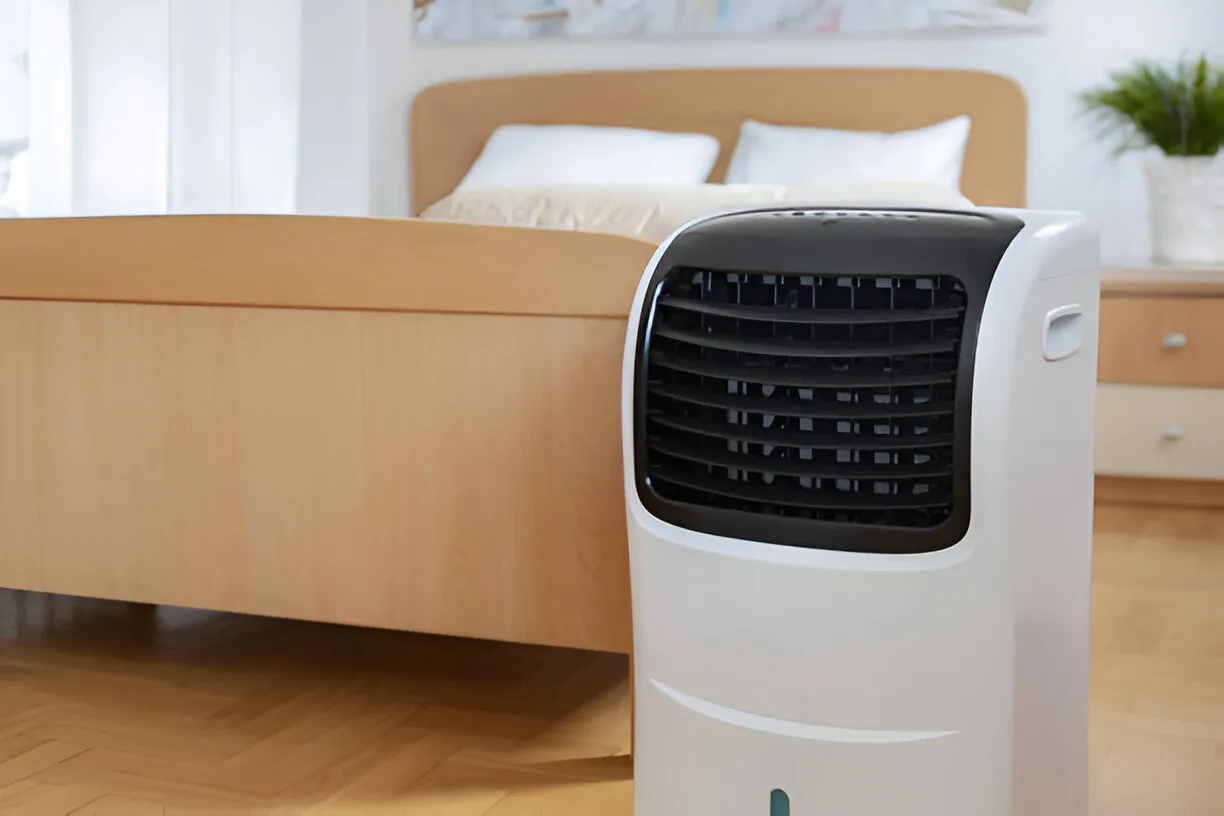
Why consider whole-house humidification in Montgomery County, TX
Montgomery County sits in a humid subtropical climate. Summer months often bring high outdoor humidity, but indoor humidity can fall during cold fronts and whenever forced-air heating runs. Many modern, energy-efficient homes are well sealed and insulated, so indoor air can become dry during heating cycles. Dry indoor air leads to:
- Increased static electricity and cracked skin
- Dry, irritated eyes and throat; worse cold and allergy symptoms
- Shrinking and cracking of wood floors, trim, doors, and musical instruments
- Poor comfort even though the thermostat reads a normal temperature
A whole-house humidifier conditions the air at the duct level, so every room receives comfortable humidity without relying on noisy, temporary room units. Van Eddies Heating & Air Conditioning installs systems sized and configured for Montgomery County homes to deliver steady, controlled humidity that balances comfort and mold prevention.
Common whole-house humidification systems and typical problems
Whole-house humidifiers fall into a few main categories. Each type has strengths and considerations, and choosing the right one depends on home size, existing HVAC equipment, water quality, and homeowner priorities.
Common types:
- Evaporative (bypass) humidifiers - use a moisture panel or pad and duct air to evaporate water. Energy efficient and common in residential retrofit.
- Fan-powered evaporative humidifiers - add a small fan to move air through the wet pad for higher output; useful when furnace airflow is lower.
- Steam humidifiers - generate steam electrically and inject it into the supply air duct or plenum. They provide the highest output and precise control, suitable for large homes or very dry conditions.
- Drum humidifiers - older technology; less common due to maintenance and mold risk.
Typical issues Montgomery County homeowners report:
- Low humidity in winter despite portable humidifiers
- Uneven humidity between zones or second floors
- Mineral buildup and scale on components, especially with hard water
- Leaks or drip problems around the humidifier drain
- Controls that do not integrate with smart thermostats or HVAC schedules
The right system and professional installation can eliminate these issues by sizing the unit correctly and integrating controls with your HVAC and home layout.
Evaporative vs steam humidifiers - clear comparison
Choosing between evaporative and steam humidifiers is one of the first decisions during system selection. Both can deliver whole-home humidity, but they differ in performance, maintenance, and cost structure.
Evaporative humidifiers (bypass or fan-powered)
- How they work: Water flows over a replaceable pad. Air moving across the wet pad picks up moisture and delivers it through the duct system.
- Advantages:
- Lower initial cost and lower electrical use
- Simple design, proven reliability
- Adequate for most single-family homes that experience seasonal dryness
- Considerations:
- Output limited by furnace airflow and pad surface area
- Pads need regular replacement and can clog with minerals
- Susceptible to biological growth if not maintained
Steam humidifiers
- How they work: A heating element boils water to create steam, which is injected into the duct or supply plenum. Output controlled precisely by humidistat.
- Advantages:
- High output and fast response for large homes or severe dryness
- Precise humidity control, independent of furnace operation
- Better when water quality is poor or mineral control is essential (some models have self-draining features)
- Considerations:
- Higher up-front cost and higher electrical usage
- More complex installation and periodic service on heating elements and electrodes
- Requires electrical capacity at the installation location
For most Montgomery County homes with seasonal dry periods and moderate square footage, a properly sized evaporative unit provides a cost-effective solution. Steam humidifiers are the right choice for larger homes, homes with very low indoor humidity needs, or when integration with specific systems requires higher output.
How we size a whole-house humidification system
Correct sizing is the foundation of good performance. Over- or under-sizing leads to poor humidity control, wasted energy, or maintenance headaches.
Key factors considered:
- Home volume (square footage multiplied by average ceiling height)
- Airtightness and ventilation rate - newer tight homes retain humidity better
- Typical indoor temperature setpoints
- Local outdoor winter conditions - Montgomery County winter dry spells influence required output
- Occupant moisture generation (people, cooking, plants) and appliances that add moisture
- Desired indoor relative humidity (commonly 30 to 45 percent in winter)
Standard approach:
- Calculate the home’s cubic feet of conditioned space.
- Estimate heat loss and ventilation exchange to determine moisture loss rate.
- Select a humidifier with output rated in gallons per day (GPD) that meets or slightly exceeds the calculated moisture loss at design conditions.
- Factor in water quality: homes with hard water may require water treatment or a model chosen to minimize scale.
Van Eddies Heating & Air Conditioning uses field measurements and experience to match humidifier capacity to actual home needs, avoiding undersized systems that never reach setpoints or oversized systems that cycle excessively.
Professional installation and control integration with existing HVAC
Whole-house humidification is most effective when integrated seamlessly into the existing HVAC system. Professional installation ensures safe operation, proper drainage, and control synchronization.
Typical installation methods:
- Bypass humidifier installation: Mounted on the supply or return trunk with a bypass ducting to the return and supply plenum; uses furnace airflow to move humidified air.
- Fan-powered humidifier: Mounted in the return with its own fan; generates humidified air even when the furnace fan is off.
- Steam humidifier: Mounted near the furnace plenum or in the mechanical room with steam injection into the supply plenum; requires dedicated electrical circuit in most cases.
- Direct duct injection: Injection ports installed into the ductwork to distribute moisture evenly.
Control integration:
- Humidistats: Calibrated, wall-mounted humidistats are standard. For the best results they should be located away from direct sunlight, doors, and return vents.
- Integration with thermostats and smart systems: Modern installations can tie humidity control into smart thermostats or home automation platforms to coordinate with heating cycles, setback schedules, and whole-home ventilation systems.
- Interlocks: Installing an interlock between the humidifier and the HVAC blower ensures humidification occurs only when there is adequate airflow to distribute moisture.
- Outdoor sensor integration: In Montgomery County, integrating an outdoor sensor helps adjust humidification during cold fronts to avoid over-humidification and condensation on windows.
Professional installation also includes providing proper water lines, ensuring leak-free connections, installing a reliable drain or condensate pump, and sealing any duct penetrations. Van Eddies Heating & Air Conditioning follows local codes and manufacturer specifications to ensure systems function reliably year after year.
Routine maintenance, water treatment, and consumables
Whole-house humidifiers deliver the best value when homeowners follow a routine maintenance plan. Maintenance frequency depends on system type and local water quality, but typical tasks include:
Monthly or seasonally:
- Inspect humidistat and controls for correct operation
- Check drain lines and condensate traps for clogs
- Verify airflow interlocks and blower operation
Every 6 to 12 months:
- Replace evaporative pads or cartridges (frequency depends on water hardness and system design)
- Clean or replace filters on fan-powered units
- Inspect water feed solenoids for mineral buildup
- Flush steam humidifier tanks and descale electrodes where applicable
Annual service:
- Full inspection of valves, water lines, and electrical connections
- Check humidifier output under operating conditions and recalibrate humidistat if needed
- Confirm drain and venting integrity
Water treatment and mineral control:
- Montgomery County water ranges from soft to moderately hard depending on neighborhood. Minerals cause scale on pads and heating elements, shortening component life.
- Options to reduce mineral issues include using models with replaceable scale cartridges, inline water softeners, or installing a small water treatment cartridge designed for humidifiers.
- For steam units, models with automatic scale management, self-draining pans, or replaceable electrodes reduce manual descaling.
Proper maintenance prevents bacterial growth, mold risks, and odors. It also preserves humidifier efficiency and reduces long-term operating costs.
Common troubleshooting and solutions
Even well-installed systems can encounter problems. Here are common symptoms, likely causes, and practical remedies that a professional will address:
Symptom: Humidity never reaches setpoint in cold weather
- Possible causes: Undersized humidifier, inadequate furnace airflow, excessive ventilation or infiltration, or malfunctioning humidistat.
- Solutions: Re-evaluate sizing against home volume and ventilation; confirm furnace fan runs when humidifier is active; address home air leaks where practical.
Symptom: Humidity overshoots and causes condensation on windows or interior surfaces
- Possible causes: Malfunctioning humidistat, poor sensor placement, or over-sized unit for typical operating conditions.
- Solutions: Reposition humidistat away from moisture sources; recalibrate control; add outdoor sensor to adjust operation in cold weather.
Symptom: White dust or mineral residue on surfaces
- Possible causes: Ultrasonic or cool-mist room units often produce visible dust when using hard water; whole-house evaporative units normally do not cause dust but steam units can if water quality is poor.
- Solutions: Install water treatment, use models designed for hard water, or consider a different technology.
Symptom: Foul odors from humidifier
- Possible causes: Microbial growth on the evaporative pad or within stagnant water lines.
- Solutions: Replace pads, sanitize water lines, ensure the humidifier drains between cycles, and schedule regular maintenance.
Symptom: Leaks or water pooling around the humidifier
- Possible causes: Blocked drain, loose fittings, incorrect installation angle, or cracked pan.
- Solutions: Inspect and clear drains, tighten fittings, and replace damaged components.
A trained technician from Van Eddies Heating & Air Conditioning will diagnose problems efficiently, recommend the right fix, and explain what controls or changes will prevent recurrence.
Comfort, health, and home-preservation benefits
Whole-house humidification delivers measurable benefits across comfort, health, and the preservation of building materials and furnishings.
Comfort benefits:
- Warmer perceived temperatures at lower thermostat settings: Proper humidity increases perceived warmth, which can allow homeowners to reduce heat settings without sacrificing comfort.
- Reduced static electricity and less uncomfortable dry skin and lips.
- More comfortable breathing and fewer throat irritations during heating season.
Health benefits:
- Moist air helps keep mucous membranes hydrated, which can reduce symptoms of colds, sinus irritation, and dry cough.
- Proper humidity reduces the survival of some airborne viruses and helps respiratory function for allergy sufferers.
- Balanced humidity supports better sleep quality for many people.
Home preservation:
- Wood floors, musical instruments, doors, window frames, and trim are less likely to shrink, crack, or warp when humidity stays within recommended ranges.
- Paint and wallpaper adhesion performs more predictably when humidity is controlled.
- Prevents excessive drying of wooden furniture and antiques, preserving value over time.
In Montgomery County, where seasonal swings and indoor heating can stress woodwork, a whole-house humidifier is a proactive investment in long-term home care.
Energy considerations and interaction with HVAC
Whole-house humidification can be energy smart when integrated properly. Humid air feels warmer, so homeowners often reduce thermostat settings by a couple of degrees, which can offset the humidifier electrical draw.
Key energy considerations:
- Evaporative units use minimal electricity, relying mainly on the furnace blower.
- Steam units draw significant electrical power when active but are used intermittently and controlled precisely.
- Proper control sequencing prevents unnecessary operation; integrating humidification with the HVAC fan schedule reduces runtime.
- Avoid over-humidifying, which can force the HVAC system to run more to remove excess moisture or encourage condensation.
A properly sized system that operates only as needed delivers comfort gains with modest additional energy use.
Service plans and warranties
Reliable long-term performance depends on regular service and manufacturer support. Van Eddies Heating & Air Conditioning advises homeowners to consider these elements when choosing a humidification solution.
Service plans typically include:
- Scheduled inspections timed before and during the heating season
- Annual pad or cartridge replacement service
- Priority diagnostic service for humidification-related calls
- Seasonal recalibration of humidistats and controls
- Documentation of maintenance for warranty records and resale value
Warranty considerations:
- Manufacturer warranties vary by model and component. Evaporative humidifiers commonly have limited warranties on housing and shorter coverage on pads and electrical components.
- Steam humidifiers often include warranties on the steam generation tank and electrical components; some models provide extended warranties or service options.
- Understand what actions are required to keep the warranty valid - often annual maintenance by a qualified technician is required.
Choosing a comprehensive service plan that pairs with your system’s warranty ensures predictable performance and extends system life while protecting your investment.
What to expect during a professional evaluation
A full evaluation from a qualified HVAC professional addresses both humidification needs and the broader indoor air quality picture.
During an evaluation:
- Technicians measure home size, ceiling heights, and assess air leakage and ventilation.
- Review current HVAC equipment make, model, and airflow performance to determine compatibility.
- Test water quality and advise on scale mitigation strategies.
- Discuss desired humidity targets and any special concerns (wood instruments, antiques, or health conditions).
- Provide a recommendation on system type, placement, and controls, including a long-term maintenance plan and warranty overview.
This detailed planning prevents mismatched equipment and ensures the installed system meets expectations from day one.
Maintenance Plan
Heat Pump/ AC Tune-Up

Furnace Tune-Up
Customer Testimonials