



AC Installation in Lake Conroe, TX



Replacing or installing an air conditioning system is one of the most impactful investments for comfort and energy savings in Lake Conroe homes. With long, humid summers and lake-driven moisture, choosing the right unit and having it installed correctly determines indoor comfort, indoor air quality, and long-term operating cost.
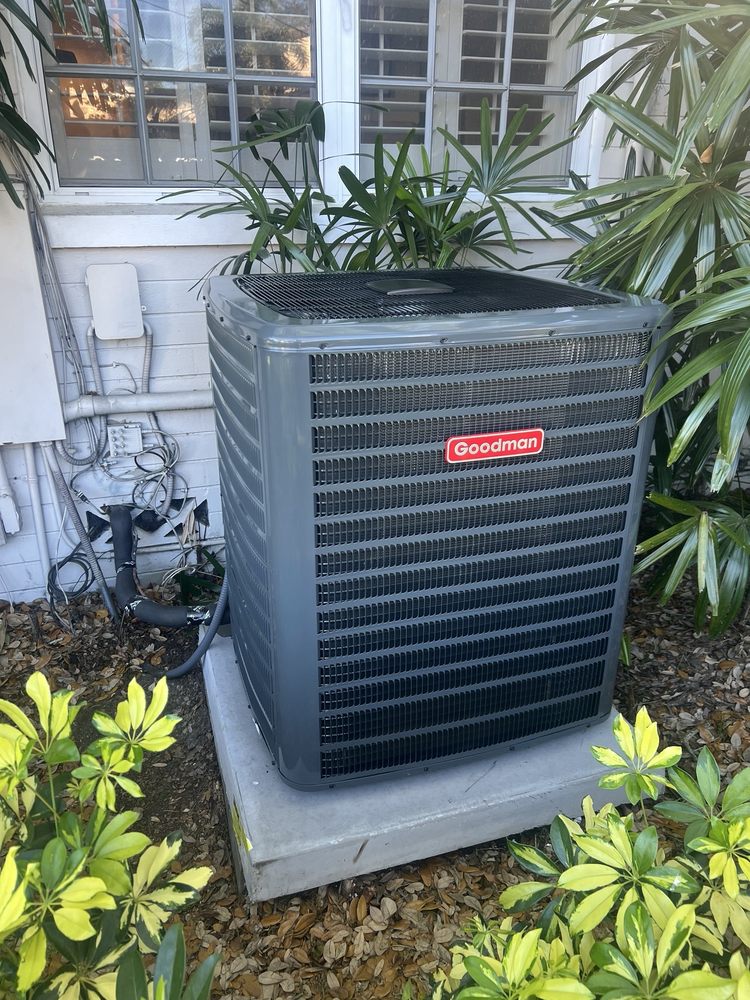
Why correct installation matters in Lake Conroe, TX
Lake Conroe area homes face extended cooling seasons, high humidity, and occasional severe storms. An oversized unit will short-cycle, fail to dehumidify, and waste energy. An undersized unit will run continuously and struggle on the hottest days. Proper installation ensures balanced airflow, effective humidity control, and reliable operation during peak demand, which matters for comfort and for preventing mold and indoor air problems common in humid climates.
Common AC installation types and issues in Lake Conroe
- Central split-system installations (most common for single-family homes)
- Heat pump installations for combined heating and cooling efficiency
- Ductless mini-splits for additions, garages, or homes without ductwork
- Replacement/retrofit installs where new equipment must match or upgrade existing ductwork
Common challenges specific to Lake Conroe homes:
- High latent load (humidity) requiring attention to coil sizing and airflow
- Older homes with undersized or leaky ducts needing duct sealing or redesign
- Permitting and HOA requirements for visible outdoor units near lakeside properties
- Electrical panel capacity limitations for higher-efficiency equipment
Home load assessment and unit sizing (what to expect)
A professional installation begins with a home load assessment — not a rule-of-thumb sizing. Key steps include:
- Performing a Manual J load calculation to establish the actual cooling and latent (humidity) load of the home
- Evaluating ductwork with Manual D to determine airflow needs and whether duct modification or sealing is required
- Selecting equipment using Manual S guidance to match unit capacity and efficiency to the calculated loads
This approach prevents oversizing, improves humidity control, and helps determine the appropriate SEER rating and equipment type for the home’s needs and budget.
Selecting energy-efficient models and SEER considerations
SEER (Seasonal Energy Efficiency Ratio) indicates how efficiently the system cools over a season. For Lake Conroe homeowners:
- Higher SEER units deliver lower energy use over the long cooling season but usually have higher upfront cost
- Consider 16 SEER and above for meaningful long-term savings in South-Central Texas climates; seasonal needs and budget can justify 18–20+ SEER for maximum efficiency and quieter operation
- Balance SEER with sensible features: two-stage or variable-speed compressors improve humidity control and comfort, which is especially valuable in humid Lake Conroe summers
Permits, codes, and local considerations
Installation must comply with local building codes, electrical requirements, and any applicable county or municipal permits. Typical considerations:
- Pulling required installation permits and scheduling inspections
- Ensuring electrical circuit sizing and breaker protection meet code
- Meeting refrigerant handling regulations and manufacturer installation requirements
- Addressing any HOA or lakeside setback restrictions for outdoor units
A compliant installation reduces future liability and ensures warranty coverage remains valid.
Step-by-step installation workflow
- Pre-install inspection and load verification (finalize Manual J/D/S)
- Removal and disposal of old equipment in accordance with refrigerant recovery rules
- Prepare outdoor pad or mounting, ensuring adequate clearance and drainage
- Install new outdoor condensing unit and indoor coil/air handler or furnace compatibility check
- Run/reconnect refrigerant lines, install proper line insulation and metering device
- Upgrade or install electrical connections, disconnects, and safety devices per code
- Connect and configure thermostats; set controls for staging, fan operation, and schedules
- Seal and adjust ductwork as needed for proper airflow and static pressure
- Final refrigerant charge, electrical checks, and safety verifications
Post-installation testing and commissioning
Thorough commissioning verifies the system meets design expectations. Typical tests include:
- Refrigerant charge verification and superheat/subcooling checks
- Airflow measurement and static pressure testing
- Temperature split and supply/return temperature verification
- System electrical load and safety device checks
- Duct leakage and balancing where applicable
- Thermostat calibration and occupant control demonstration
The end result is a documented baseline of system performance and guidance on operating settings to maximize efficiency and comfort.
Financing options and what to expect
Homeowners often use financing to spread the cost of higher-efficiency equipment. Common options available through lenders or third-party finance providers include:
- Monthly installment loans with fixed terms
- Energy-focused financing tied to efficiency upgrades
- Manufacturer or dealer-sponsored financing programs for qualifying applicants
When evaluating financing, compare term length, interest rate, total cost, and whether the arrangement affects eligibility for manufacturer warranties.
Warranty information and protection
New systems typically come with multiple layers of protection:
- Manufacturer warranties covering compressors and major components (length varies by model and often requires registration)
- Limited parts warranties for other components
- Optional extended parts or labor plans available through providers
- Requirements to maintain routine service (annual tune-ups) to preserve warranty coverage
Always review warranty terms carefully, including exclusions, required registration steps, and recommended maintenance schedules.
Benefits of doing it right and maintaining your system
A properly sized and installed AC delivers:
- Better humidity control and comfort during Lake Conroe summers
- Lower energy bills over the system lifetime
- Longer equipment life and fewer emergency repairs
- Improved indoor air quality and reduced risk of mold or moisture damage
Regular seasonal maintenance preserves efficiency and warranty coverage while catching small issues before they become expensive failures.
Maintenance Plan
Heat Pump/ AC Tune-Up

Furnace Tune-Up
Customer Testimonials