



AC Installation in Metro West, FL



Replacing or installing an air conditioning system in Metro West, FL is a long-term investment in comfort, indoor air quality, and energy costs. In a climate with long, hot summers and high humidity, an improperly sized or poorly installed system can leave your home uncomfortable and drive up energy bills.
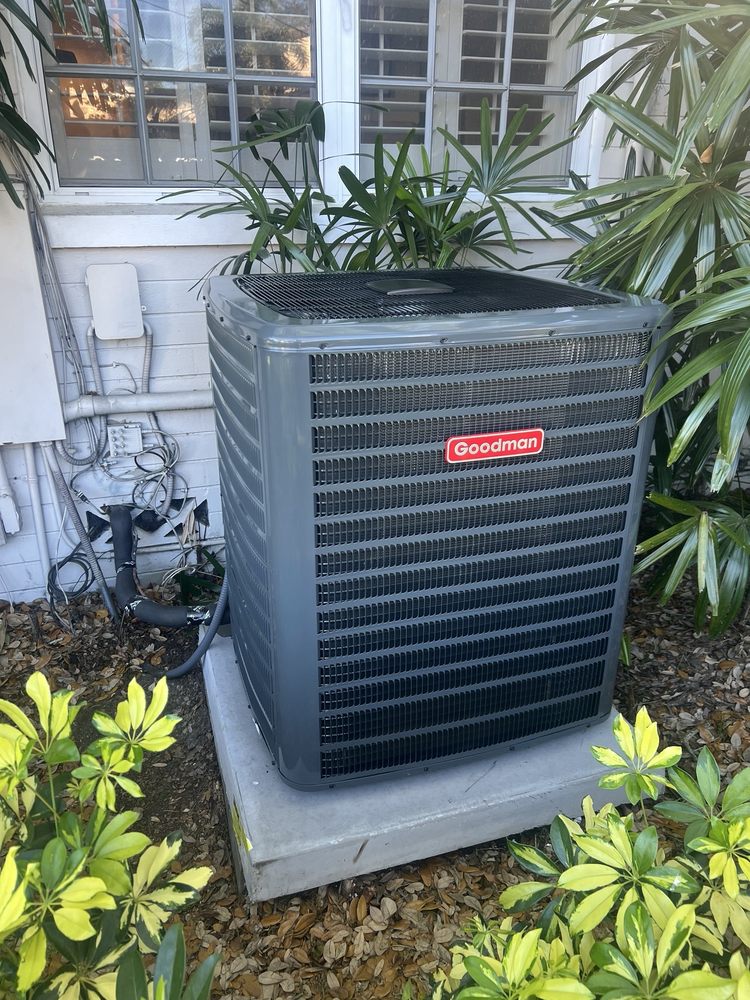
Why careful AC installation matters in Metro West, FL
- Metro West experiences prolonged cooling seasons and high humidity, which increases runtime and moisture loads on systems.
- Homes here benefit from equipment that handles both sensible cooling and dehumidification without short cycling.
- Proper installation prevents premature failures, inefficient operation, and uneven cooling across living spaces.
Common AC installation scenarios we address
- Full system replacement of older central air units
- Upgrading to higher SEER equipment for lower operating costs
- New construction installations coordinated with HVAC design and ductwork
- Converting from electric or window units to central air or heat pump systems
- Ductwork replacement or sealing to improve system performance and airflow
How we determine the right system: load calculations and unit sizing
Accurate load calculation is the foundation of a successful installation. We use industry-standard Manual J load calculations to measure:
- Square footage, ceiling heights, and room uses
- Window orientation, glazing type, and solar gain
- Insulation levels and air leakage
- Local climate factors like humidity and typical summer temperatures in Metro West
- Internal gains from appliances and occupancy
Correct sizing avoids oversized units that short cycle and undersized units that run continuously. Results from the load calc determine cooling capacity (tons) and inform ductwork and airflow requirements. Duct modifications or balancing are often required to match the new equipment.
Energy-efficient model recommendations and SEER considerations
- SEER (Seasonal Energy Efficiency Ratio) quantifies cooling efficiency. In Metro West, choosing a higher SEER unit yields meaningful energy savings because systems run frequently.
- Recommended range: mid to high SEER models provide the best balance of upfront cost and long-term savings in Florida’s climate. Consider variable-speed compressors or two-stage models for superior humidity control and quieter operation.
- Features to consider:
- Variable-speed blower motors for improved comfort and dehumidification
- Inverter-driven compressors for steady operation and efficiency
- Matched outdoor condensing unit and indoor coil for optimal refrigerant charge and performance
- Corrosion-resistant finishes if your property experiences elevated humid or corrosive conditions
Permits, code compliance, and local requirements
Installations in Metro West must meet Florida Building Code and local jurisdiction rules. Common permit and compliance steps include:
- Pulling mechanical and electrical permits through the city or county
- Ensuring equipment wind ratings and anchoring meet local requirements
- Proper setback and pad placement for condensing units
- Correct electrical sizing, disconnects, and grounding per code
- Final inspections and sign-off by the authority having jurisdiction
Permits protect homeowners and ensure installations meet safety and energy standards.
Professional installation steps
A quality install follows a documented process:
- Final site assessment and confirmation of load calc results
- Remove old equipment safely and dispose of refrigerant per regulations
- Prepare pad or mounting location and verify clearances for airflow and service
- Install matched indoor coil and outdoor condensing unit; ensure line sets are properly routed and insulated
- Connect electrical, controls, and thermostat wiring with correct circuit protection
- Install or modify ductwork and perform sealing where needed to achieve design airflow
- Charge system to manufacturer specifications and set factory parameters
- Commission system through testing sequence and homeowner orientation
Each step is executed to manufacturer specs; attention to details like refrigerant charge, airflow, and refrigerant piping insulation is critical to warranty validity and system longevity.
Post-installation testing and commissioning
A professional commissioning process confirms the system performs to design:
- Measure airflow, static pressure, and supply/return temperatures
- Verify correct refrigerant charge and superheat/subcooling where applicable
- Test electrical loads and startup current
- Calibrate thermostat and zoning controls; verify proper thermostat placement
- Check condensate drainage and secondary protection
- Run short-term performance tests to ensure stable operation and humidity control
A commissioning report documents the results and any adjustments made, providing transparency and a baseline for future maintenance.
Financing options and manufacturer warranties
- Financing: Many homeowners in Metro West use financing programs that spread equipment cost over time. Typical options include term loans or payment plans through third-party lenders designed for HVAC purchases.
- Manufacturer warranties: Major manufacturers offer parts and compressor warranties; some provide optional extended warranties. Keep documentation for warranty registration and follow required maintenance intervals to maintain warranty coverage.
- Dealer/labor warranties: Professional installers often offer limited labor warranties for workmanship. Confirm the length and coverage of labor and parts warranties before installation.
Maintenance and long-term benefits
- Regular maintenance preserves efficiency, reduces breakdown risk, and helps warranty compliance. Seasonal tune-ups, filter changes, and coil cleaning are especially important in humid Florida conditions.
- Benefits of a proper installation in Metro West include improved comfort, lower energy bills, more consistent indoor humidity, and longer equipment life.
Maintenance Plan
Heat Pump/ AC Tune-Up

Furnace Tune-Up
Customer Testimonials