



AC Installation in Montgomery County, TX



A properly installed air conditioning system keeps your home comfortable, controls humidity, and reduces energy bills throughout Montgomery County summers. In this region, where high heat and humidity are the norm, installation is not just about putting a new unit on the pad. It begins with careful engineering, code compliance, and attention to details that affect performance and longevity.
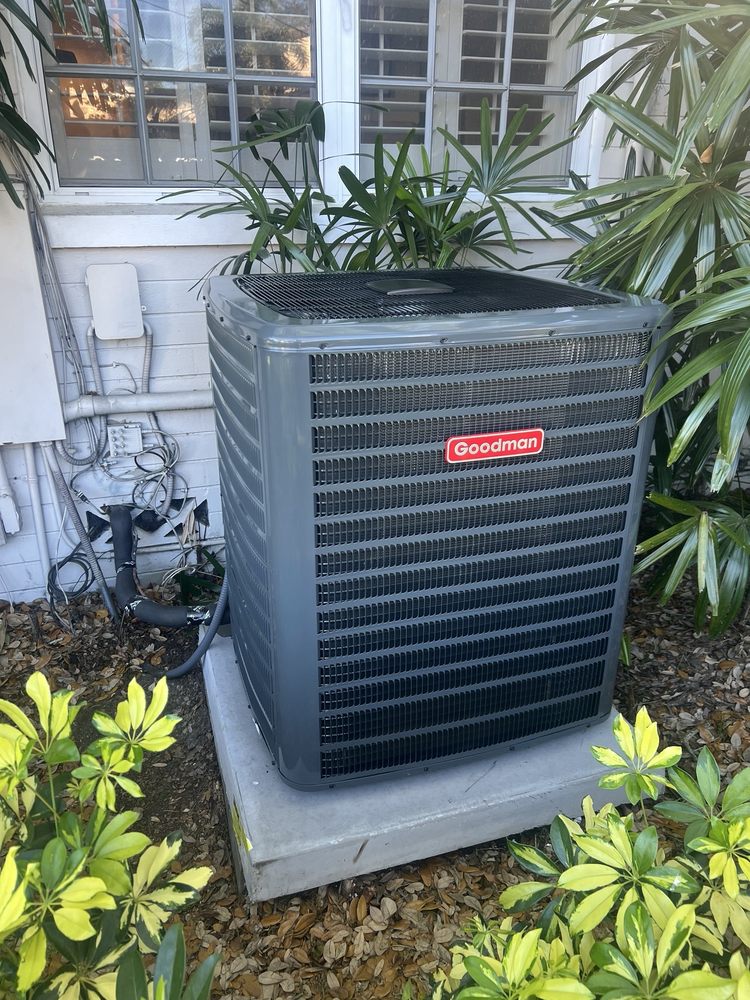
Why a professional installation matters in Montgomery County, TX
Montgomery County experiences long, humid cooling seasons. That increases system runtime and magnifies issues caused by incorrect sizing, poor ductwork, or improper refrigerant charge. A properly engineered install:
- Improves comfort and humidity control in high humidity conditions
- Reduces energy consumption with correctly sized units and higher SEER models
- Extends equipment life under heavy seasonal load
- Helps ensure compliance with local permitting and inspection requirements
Common AC issues in Montgomery County homes
- Undersized or oversized equipment causing short cycles, poor dehumidification, or premature wear
- Leaky or undersized ductwork leading to uneven rooms and wasted energy
- Incorrect refrigerant charge or airflow producing higher electric usage and failing to reach setpoints
- Lack of proper drainage which can lead to water damage during heavy storms or high humidity
- Noncompliant installations that fail local permit or inspection requirements
Initial assessment: load calculation and unit sizing
All quality installations begin with a home load assessment. This is not an estimate based on square footage alone. A full evaluation includes:
- Detailed Manual J load calculation to determine cooling demand
- Manual D duct design review if ductwork changes are required
- Manual S equipment selection to match the load with the right capacity and efficiency
- Consideration of attic insulation, window orientation, and local shading that affect cooling loads in Montgomery County
Accurate sizing prevents short cycling, improves humidity control, and ensures the right balance between performance and operating cost. In the Montgomery County climate, a unit that manages humidity well is often more important than raw tonnage.
Choosing energy-efficient models and SEER considerations
SEER (Seasonal Energy Efficiency Ratio) plays a major role in operating cost. Higher SEER units use less electricity per ton of cooling, which matters when your AC runs for months. When selecting a model:
- Balance upfront cost with expected energy savings over time
- Choose systems with modern variable-speed compressors or two-stage cooling for better humidity control and quieter operation
- Confirm manufacturer specs for performance in hot, humid conditions typical of Montgomery County
- Look at long-term warranty coverage and parts availability for peace of mind
Site preparation, ductwork and system placement
Proper site prep increases efficiency and serviceability:
- Level, concrete or composite pad for the outdoor unit placed to allow airflow and easy access
- Short, straight refrigerant line runs where possible to maximize performance
- Ductwork inspection and sealing or replacement if leakage, undersizing, or poor insulation is found
- Condensate drainage routed to approved locations to avoid water pooling during heavy rainfall events common in the area
- Proper electrical service sizing, disconnects, and surge protection
Permitting and code compliance
Montgomery County and its municipalities require permits and inspections for most AC installs. Professional installations include:
- Submitting required permits and documentation to local building departments
- Following current code requirements for refrigerant handling, electrical, access panels, and outdoor clearances
- Coordinating inspections and ensuring any corrections identified by inspectors are completed
Installation steps and professional practices
A consistent, professional installation typically follows these steps:
- Finalize system selection based on load calculation and site constraints
- Remove old equipment safely and dispose of refrigerant in accordance with regulations
- Prepare pad, line sets, and electrical connections
- Install indoor coil or air handler, seal and insulate ducts, and connect controls
- Evacuate and charge refrigerant to manufacturer specifications
- Commission system with on-site testing
Technicians check static pressure, airflow, amperage, superheat and subcooling, thermostat calibration, and temperature differential across the coil. Proper commissioning verifies the system performs as modeled.
Testing, commissioning and documentation
Professional commissioning includes documented test results and instructions:
- Measured airflow (CFM) and static pressures
- Refrigerant charge and temperature split
- Electric draw compared to manufacturer limits
- Thermostat and control programming for efficient operationHomeowners receive system documentation and recommended service intervals.
Warranty, manufacturer information and maintenance
Most manufacturers offer separate warranties for compressors, parts, and in some cases labor. To protect warranty coverage:
- Register the equipment with the manufacturer as required
- Follow scheduled maintenance outlined in the owner manual
- Use certified technicians for refrigerant repairs and major serviceRoutine maintenance preserves efficiency and protects warranty coverage, especially important in climates that strain systems.
Financing and incentives in Montgomery County
There are several financing pathways commonly used for residential AC replacement or installation:
- HVAC loan programs through lenders or credit partners
- Utility or municipality energy-efficiency rebates and incentives (availability varies)
- Manufacturer financing options tied to qualifying equipment
Financing helps homeowners choose higher-efficiency equipment that reduces energy bills over the life of the system. Check eligibility for local incentives that apply to Montgomery County.
Post-installation support and service plans
After installation, reliable service and maintenance keep systems running efficiently:
- Annual tune-ups to check refrigerant, airflow, electricals, and safety controls
- Planned maintenance agreements for priority scheduling and documented inspections
- Rapid diagnosis and repair when performance drops or alarms occurA proactive maintenance approach reduces emergency repairs and maintains comfort during Montgomery County’s hottest months.
Maintenance Plan
Heat Pump/ AC Tune-Up

Furnace Tune-Up
Customer Testimonials