



AC Installation in Montgomery, TX
Air conditioning installation in Montgomery, TX: expert load calculation, energy-efficient options, and a clean, code-compliant setup. Learn more.



A properly installed air conditioner is the backbone of a comfortable, healthy home in Montgomery, TX. With humid, hot summers, Montgomery residents need cooling systems sized and installed to handle high cooling loads, manage indoor humidity, and run efficiently to limit monthly energy bills.
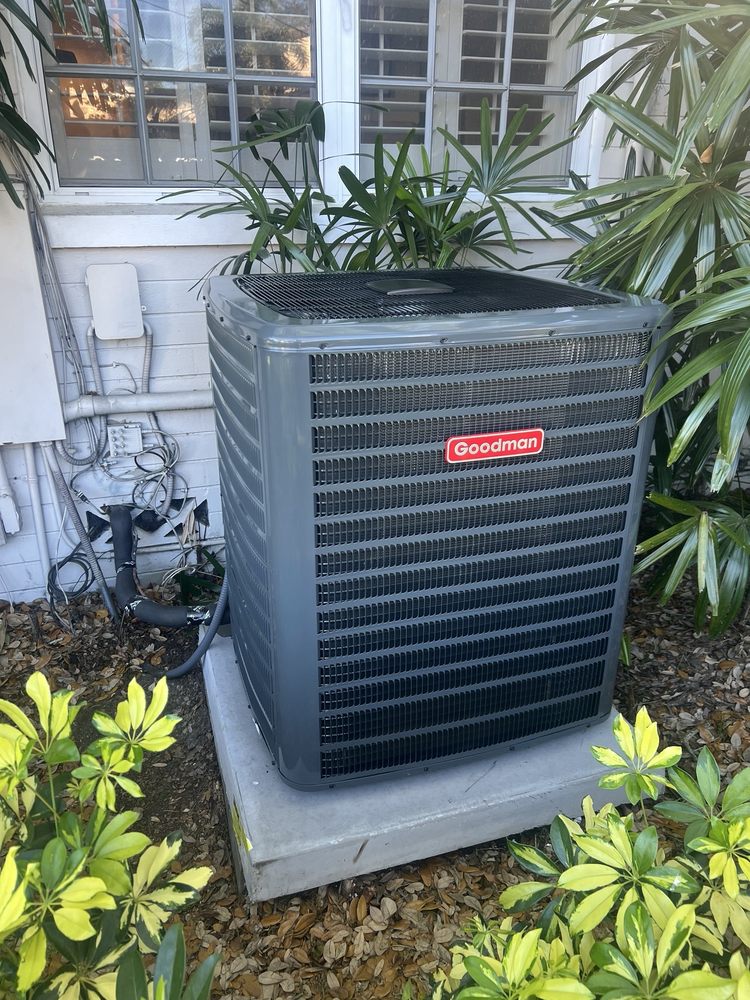
Why a tailored AC installation matters in Montgomery, TX
Montgomery’s summer heat and high humidity increase cooling demand and put extra strain on undersized or poorly installed systems. A system that is too small will run constantly, struggle to control humidity, and wear out faster. A system that is too large will short cycle, create uneven comfort, and fail to dehumidify properly. Proper installation protects indoor air quality, lowers operating costs, and extends equipment life.
Common AC installation types and considerations
- Full system replacement: Replacing both the outdoor condensing unit and indoor air handler or coil for best efficiency and matched components. Recommended when equipment is more than 10-15 years old or frequently failing.
- Condensing unit swap (same coil): Replacing only the outdoor unit when the indoor coil and ductwork are in good condition. Requires matching capacity and refrigerant type.
- Ductless mini-split installation: Ideal for single rooms, additions, or homes without ducts. Offers zoned cooling and high efficiency.
- Heat pump installation: Provides efficient cooling and heating in moderate climates; consider if you want combined year-round comfort.
- Zoned systems and smart thermostat integration: Improves comfort by controlling temperatures in different areas of the home and optimizing runtime.
Step 1 — Load assessment and proper unit sizing
- We start with a detailed home load assessment using industry-standard methods (Manual J) to calculate cooling needs based on home square footage, orientation, insulation levels, window sizes, shade, occupancy, and local climate factors such as humidity and solar gain.
- Proper sizing considers both sensible load (temperature) and latent load (moisture removal). Montgomery homes commonly need attention to latent load because of humid Gulf-influenced air.
- Duct evaluation is part of the assessment. Leaky or poorly insulated ducts increase required capacity and reduce efficiency. If ducts are marginal, repairs or improvements will be recommended.
Step 2 — Energy-efficient model recommendations and SEER considerations
- SEER (Seasonal Energy Efficiency Ratio) ratings indicate cooling efficiency. Higher SEER units cost less to operate over time but have higher upfront cost. In Montgomery’s long cooling season, investing in a higher SEER model typically returns savings faster.
- Consider features beyond SEER: variable-speed compressors, multi-stage cooling, enhanced dehumidification, and efficient fan motors offer noticeable comfort and efficiency gains in hot, humid climates.
- Matching indoor and outdoor components is critical for warranty validity and peak performance. Refrigerant type and capacity must align with the chosen indoor coil or air handler.
Step 3 — Removal of existing equipment and preparation
- Safe disconnection and removal of the old system, including recovery of refrigerant in accordance with EPA rules, disposal of components, and site cleanup.
- Inspect the existing plenum, drain lines, condensate traps, and electrical panel capacity. Upgrade electrical disconnects, breakers, or wiring as needed to meet modern code and manufacturer specifications.
- Confirm proper rooftop or pad placement for the outdoor unit to ensure clearance, airflow, and noise considerations while complying with local ordinances.
Step 4 — Professional installation practices
- Installers set refrigerant lines and insulation, mount and level the outdoor unit, install the matched indoor coil or air handler, and connect electrical and control wiring.
- Proper refrigerant charge is established based on manufacturer specifications and actual system conditions rather than relying on factory charge. Correct charge is essential for efficiency and compressor life.
- Ductwork sealing and airflow balancing are performed to ensure each room receives designed airflow. In Montgomery, balancing helps control humidity and keeps comfort consistent across the home.
- Thermostat installation and calibration, including options for smart thermostats or zoning controls, are completed to optimize system control.
Step 5 — Permitting, code compliance, and inspections
- Installations follow Texas and Montgomery County codes for electrical, mechanical, and refrigerant handling. Permits are pulled when required and systems are installed to meet local inspection standards.
- Proper permitting protects homeowners by ensuring work follows safety and energy codes and maintains eligibility for certain warranties.
Step 6 — Warranty, financing, and ownership considerations
- New equipment typically includes manufacturer warranties on the compressor and parts. Proper installation practices and registration often affect warranty coverage.
- Many homeowners use financing options to spread installation costs. Financing and extended labor warranty packages are common choices to protect investment and provide predictable ownership costs.
- Keep documentation: model numbers, installation reports, permits, and warranty registration for future service and claims.
Step 7 — Post-installation testing and handoff
- Technicians perform a comprehensive startup and test sequence: verify refrigerant charge, measure airflow and static pressure, confirm temperature split across the evaporator, test electrical loads, check condensate flow and traps, and verify thermostat communication and settings.
- A final walkthrough explains system operation, maintenance recommendations, filter types and replacement intervals, and humidity control strategies suitable for Montgomery homes.
- Proper handoff increases system longevity and ensures homeowners know how to maintain efficiency and comfort.
Long-term benefits and maintenance advice
- A correctly sized, professionally installed system reduces energy bills, improves humidity control, lowers repair frequency, and prolongs equipment life.
- Routine maintenance, including seasonal tune-ups, filter changes, and periodic duct inspections, is especially important in Montgomery’s humid climate to minimize mold growth and maintain airflow.
- Consider scheduling annual inspections before the cooling season to catch issues early and keep the system operating at rated efficiency.
Maintenance Plan
Our comprehensive 21-point Tune-up maintenance plan ensures your systems run smoothly year-round, with regular check-ups and priority support.
Heat Pump/ AC Tune-Up
Our Heat Pump/AC Tune-Up ensures peak performance by cleaning coils, checking refrigerant, lubricating parts, and inspecting electrical components. This boosts energy efficiency, extends system life, prevents breakdowns, and lowers utility bills while maintaining optimal home comfort year-round.
Sign Up Today!

Check And Adjust Thermostat As Needed
Check Filter; Replace/Wash As Needed
Check Voltages
Check All Wiring And Connections
Check Starting Contractor
Check All Capacitors
Measure All Motor Amperages
Check Operation of Unit Safety Controls
Check Superheat/Hot Gas Temperature
Check Refrigerant; Charge As Needed
Check Evaporator Condition; Clean As Needed
Check For Rubbing Refrigerant Lines
Check And Clean Condenser Coil
Check Air Temperature Across Evaporator Coil
Lubricate Any Moving Parts
Check Fan Blades For Cracks
Check Condenser Temperature Rise
Check Condensate Drain Or Pump
Check Fuse Disconnects
Check Condition of Ductwork
Wax Top Of Unit
Furnace Tune-Up
Our Furnace Tune-Up optimizes heating efficiency through coil cleaning, burner inspection, airflow checks, and safety control testing. This service prevents costly repairs, enhances fuel efficiency, extends equipment lifespan, and ensures reliable warmth during cold months.
Sign Up Today!
Check And Adjust Thermostat As Needed
Check Filter; Replace/Wash As Needed
Check For Gas Leaks At Furnace
Clean Burners And Controls
Check Safety Controls; Adjust As Needed
Check Flame Sensors
Clean Equipment Interior
Check Fan Control
Check Blower Speed And Operation
Check All Wiring And Connections
Check Connection Of Flue Pipe and Draft Diverter
Check Ignition System
Check Heat Exchanger
Check Complete Furnace Cycle
Lubricate All Moving Parts
Check Pressure Switches And Vent Blower/Draft Inducer
Check Temperature Of Vent Air
Check Air Temperature Across Furnace
Check Condition Of Ductwork
Measure Carbon Monoxide
Clean Equipment Exterior
Customer Testimonials
Discover why our customers love us through their heartfelt testimonials.