


AC Installation in Oviedo, FL
Explore common AC installation types and issues in Oviedo. Learn about efficient systems, installation processes, and energy-saving tips for your home.



Installing a new air conditioning system in Oviedo, FL is more than swapping equipment — it is an investment in year-round comfort, indoor air quality, and lower energy bills. Oviedo homes face hot, humid summers, frequent tropical storms, and rising energy costs, so a properly sized, code-compliant, energy-efficient AC system is essential.
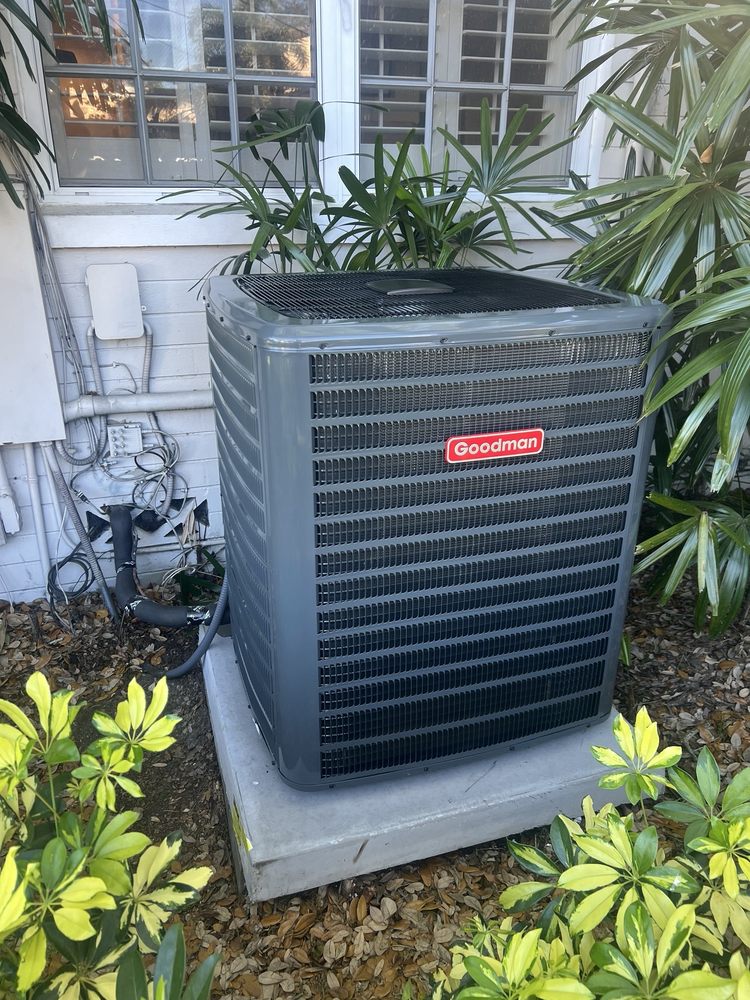
Common AC installation types and common issues in Oviedo homes
- Central split systems (most common for single-family homes)
- Heat pumps (efficient alternative for mild winters and hot summers)
- Ductless mini-splits (good for additions, room-specific cooling)
- Full system replacements (aging equipment, refrigerant phase-out, or major failures)Common problems that trigger replacement in Oviedo:
- Chronic short-cycling or refrigerant leaks
- Ductwork leaks or undersized ducts that reduce efficiency
- Units with low SEER and high operating costs
- Corrosion or rust from coastal-influenced humidity and storm exposure
What the professional installation process includes
A professional AC installation follows a methodical sequence to ensure safety, efficiency, and code compliance:
Site assessment and load/size calculations
- A technician inspects your home layout, insulation, window exposure, attic temperatures, duct condition, and occupancy patterns.
- A Manual J load calculation (or equivalent) determines the correct cooling capacity in tons. Correct sizing prevents short-cycling, humidity problems, and premature wear.
Equipment selection
- Options are compared by capacity, SEER rating, reliability, and compatibility with existing ductwork or thermostats.
- For Oviedo, consider higher SEER units (mid- to high-14s up to 20-plus) to offset long cooling seasons and humidity control needs.
- Evaluate refrigerant type (R-410A replacement considerations) and whether a heat pump is appropriate.
Removing old equipment and responsible refrigerant handling
- Old units are safely disconnected, and refrigerant is recovered per EPA regulations and disposed or reclaimed properly.
- Condensate lines, electrical disconnects, and mounting pads are removed or prepared for the new install.
Professional installation steps
- Condensing unit placement: consider shade, drainage, accessibility, and wind/storm exposure.
- Indoor air handler/furnace and coil install: ensure proper fit, insulation, and airflow.
- Ductwork evaluation and necessary repairs or sealing to achieve proper static pressure.
- Refrigerant line brazing, vacuuming to remove moisture and non-condensable gases, and accurate refrigerant charge per manufacturer specs.
- Electrical connection, proper breaker sizing, and thermostat wiring (smart thermostats often integrated).
- Condensate piping and overflow protection to prevent water damage.
Permitting and code compliance
- Permits are secured and the installation follows Florida Building Code and Seminole County requirements, including anchoring, electrical, and refrigerant regulations.
- Inspections are coordinated as required; final sign-off ensures the installation meets local safety and performance standards.
Post-installation testing and walkthrough
- System run tests: airflow, static pressures, refrigerant pressures, temperatures, and electrical loads are verified.
- A homeowner walkthrough explains thermostat settings, maintenance points, warranty coverage, and energy expectations.
- Documentation: equipment manuals, warranty paperwork, and as-built notes are provided.
SEER and energy-efficiency considerations
- SEER (Seasonal Energy Efficiency Ratio) is the most relevant metric for long-term operating cost. Higher SEER yields lower energy use, which matters in Oviedo’s long cooling season.
- Typical homeowner choices range from standard-efficiency units (lower upfront cost) to high-SEER units that reduce monthly bills and improve humidity control.
- Consider lifecycle cost: higher SEER plus a well-sealed duct system often pays back over time through energy savings.
Permits, codes, and local requirements
- Installations in Oviedo must comply with Florida Building Code and Seminole County permitting rules. Typical requirements include mechanical permits, electrical permits, and final inspections.
- Certain installations near flood-prone areas or with storm-hardening needs may require additional anchoring or elevation measures.
- Proper permitting ensures insurance and warranty compliance and protects resale value.
Typical timelines and what to expect
- Site assessment and quote: usually scheduled within days to a week.
- Equipment lead time: varies by model and season; common units are often available within 1–3 weeks, high-demand models may take longer.
- Permitting and inspections: often 1–2 weeks depending on county workload.
- Installation time: most single-family systems are installed in 1–3 days; complex replacements, duct overhauls, or multi-zone systems can take longer.
- Final testing and homeowner orientation occur on the last day of installation.
Promotions, rebates, and financing options
- Many homeowners qualify for manufacturer rebates, utility incentives, or local energy-efficiency programs that reduce upfront costs.
- Flexible financing options and energy-savings analyses are common to help match equipment choice to budget and long-term savings.
- Documentation for any rebates or incentive programs must meet installer and utility requirements; properly permitted work is typically required.
Why professional installation matters
- Correct sizing, refrigerant charge, and airflow balance are the biggest factors in system longevity and comfort. Improper installs lead to inefficient operation, humidity issues, and early failures.
- Licensed technicians ensure compliance with EPA refrigerant rules, Florida codes, and manufacturer warranty conditions.
- A professional install includes testing and verification so the system performs as intended from day one.
Maintenance and longevity tips for Oviedo homeowners
- Schedule annual tune-ups focusing on refrigerant levels, coil cleaning, and airflow checks.
- Keep outdoor units clear of debris and provide shade without restricting airflow.
- Replace air filters regularly and consider upgraded filtration for indoor air quality.
- Seal and insulate ducts in attics and crawlspaces to reduce losses and boost comfort.
Maintenance Plan
Our comprehensive 21-point Tune-up maintenance plan ensures your systems run smoothly year-round, with regular check-ups and priority support.
Heat Pump/ AC Tune-Up
Our Heat Pump/AC Tune-Up ensures peak performance by cleaning coils, checking refrigerant, lubricating parts, and inspecting electrical components. This boosts energy efficiency, extends system life, prevents breakdowns, and lowers utility bills while maintaining optimal home comfort year-round.
Sign Up Today!

Check And Adjust Thermostat As Needed
Check Filter; Replace/Wash As Needed
Check Voltages
Check All Wiring And Connections
Check Starting Contractor
Check All Capacitors
Measure All Motor Amperages
Check Operation of Unit Safety Controls
Check Superheat/Hot Gas Temperature
Check Refrigerant; Charge As Needed
Check Evaporator Condition; Clean As Needed
Check For Rubbing Refrigerant Lines
Check And Clean Condenser Coil
Check Air Temperature Across Evaporator Coil
Lubricate Any Moving Parts
Check Fan Blades For Cracks
Check Condenser Temperature Rise
Check Condensate Drain Or Pump
Check Fuse Disconnects
Check Condition of Ductwork
Wax Top Of Unit
Furnace Tune-Up
Our Furnace Tune-Up optimizes heating efficiency through coil cleaning, burner inspection, airflow checks, and safety control testing. This service prevents costly repairs, enhances fuel efficiency, extends equipment lifespan, and ensures reliable warmth during cold months.
Sign Up Today!
Check And Adjust Thermostat As Needed
Check Filter; Replace/Wash As Needed
Check For Gas Leaks At Furnace
Clean Burners And Controls
Check Safety Controls; Adjust As Needed
Check Flame Sensors
Clean Equipment Interior
Check Fan Control
Check Blower Speed And Operation
Check All Wiring And Connections
Check Connection Of Flue Pipe and Draft Diverter
Check Ignition System
Check Heat Exchanger
Check Complete Furnace Cycle
Lubricate All Moving Parts
Check Pressure Switches And Vent Blower/Draft Inducer
Check Temperature Of Vent Air
Check Air Temperature Across Furnace
Check Condition Of Ductwork
Measure Carbon Monoxide
Clean Equipment Exterior
Customer Testimonials
Discover why our customers love us through their heartfelt testimonials.