



AC Installation in Willis, TX
Air Conditioning installation Willis TX delivers precise sizing, safe installation, reliable cooling, and long-term energy savings. Schedule your system today.



Installing a new air conditioning system is one of the most impactful upgrades you can make for comfort, indoor air quality, and monthly energy costs in Willis, TX. With long, humid summers and high cooling loads driven by southeast Texas humidity and heat, correct system sizing, proper installation, and attention to local codes matter more here than in milder climates.
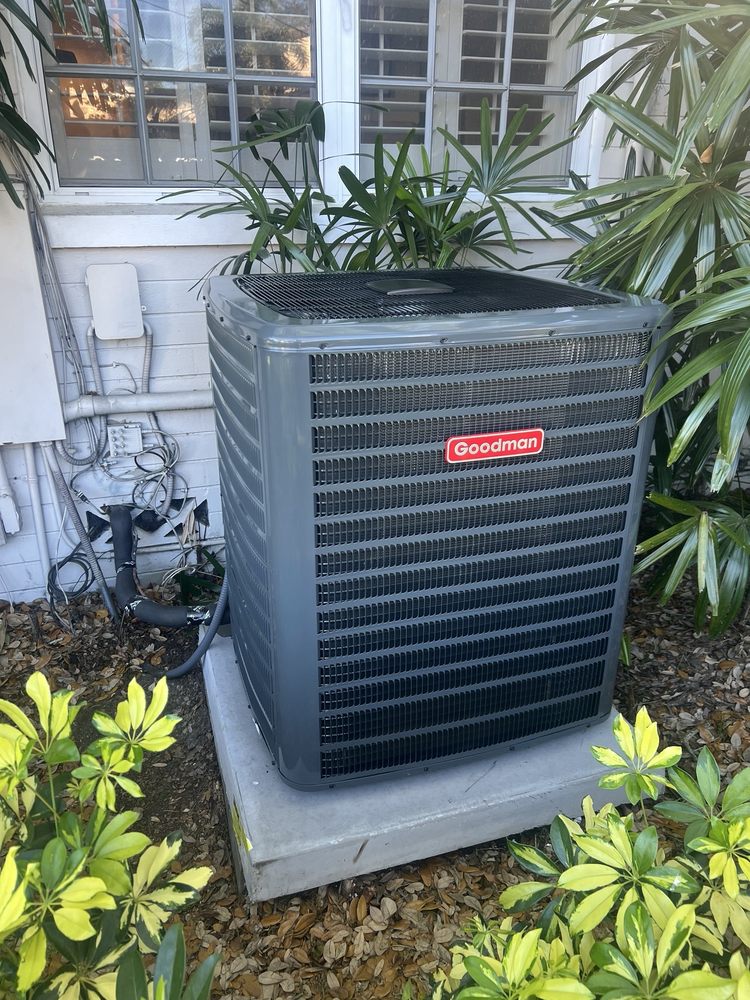
Why proper installation matters in Willis, TX
- High humidity amplifies cooling demand and can lead to condensation or mold problems if the system is oversized or airflow is wrong.
- Frequent hot spells require reliable performance and systems that can dehumidify effectively.
- Local permitting and code requirements ensure safety and compliance during installation and future inspections.
Common AC installation types and issues in Willis homes
- Full system replacement (outside condensing unit + matched indoor coil and furnace/air handler)
- Ductless mini-split installation for additions or homes without ductwork
- Heat pump installation for combined heating and cooling
- Partial replacements that mix old and new components (risk of inefficiency if not matched)Common issues we address:
- Incorrect system sizing leading to short cycling or poor dehumidification
- Undersized or leaky ductwork reducing capacity
- Improper refrigerant charge or line sizing
- Inadequate electrical service or improper disconnect installation
On-site load assessment and system sizing
- Manual J load calculation: A room-by-room cooling load determines exact tonnage needed, accounting for orientation, insulation levels, window types, attic conditions, and Willis’ climate factors.
- Manual D duct design: If ducts are being added or modified, duct sizing and layout are designed to deliver correct airflow to every room.
- Manual S equipment selection: Matches unit capacity and features (SEER, airflow, compressor staging) to the calculated load.Why this matters: Proper sizing avoids short cycling, improves humidity control, lowers energy use, and extends equipment life—critical in Willis where cooling is used heavily.
Choosing an energy-efficient model and SEER selection
- SEER describes seasonal efficiency; higher SEER units use less energy but cost more upfront.
- In Willis, many homeowners choose mid-to-high SEER models to offset heavy summer usage and humidity; typical selections range based on budget and long-term savings goals.
- Consider features: variable-speed compressors, two-stage systems, smart thermostat compatibility, and matched coil/air handler combinations for optimal performance.
- Balance immediate cost, projected energy savings, and warranty offerings when selecting SEER and features.
Permit, code and local considerations
- Installations in Willis typically require permits and inspections from the City of Willis or Montgomery County. Permits ensure code compliance for electrical, refrigerant handling, and structural placement.
- Local codes may govern condenser clearances, pad installation, refrigerant handling certifications, and setback from property lines.
- Proper permit processing prevents delays during inspections and avoids problems at resale.
Step-by-step installation process
Pre-install inspection and preparation
- Confirm load calculations, locate utility lines, and verify access.
- Schedule required permits and notify relevant local authorities if needed.
Remove existing equipment (if applicable)
- Recover refrigerant, disconnect power, remove old condensing unit and indoor coil or air handler safely.
Site preparation and structural work
- Level or pour a new concrete or composite pad, secure roof curbs for rooftop units, and clear adequate condenser airflow space.
Electrical and refrigerant connections
- Install or upgrade disconnect switch, run properly sized power, and install compatible breakers and surge protection if required.
- Size and install copper refrigerant lines, insulate suction line, and verify proper line set length limitations.
Indoor components and ductwork
- Install matched indoor coil or air handler, seal and test ducts, and set up proper condensate drainage with trap and safety overflow.
Evacuation, charging, and startup
- Evacuate the refrigerant circuit, perform leak checks, and charge refrigerant per manufacturer’s specifications or measure superheat/subcool for accuracy.
Thermostat and controls
- Install thermostat (smart or conventional), calibrate sensors, and configure fan speeds and staging.
Cleanup and documentation
- Remove debris, label electrical components, and provide owner with operation basics and maintenance tips.
Post-installation testing and commissioning
- Airflow verification: Measure supply and return CFM to ensure correct distribution.
- Temperature split: Verify typical 15–22°F delta between return and supply, adjusted for humidity and load.
- Electrical measurements: Verify amps, voltage, and proper compressor operation.
- Refrigerant verification: Check superheat and subcool values to confirm correct charge.
- Safety checks: Test high/low pressure safety, float switch, and thermostat operation.
- System balancing and homeowner walkthrough: Confirm return-air pathways, register adjustments, and thermostat programming for occupant comfort and efficiency.
Warranty, registration, and long-term protection
- Manufacturer warranty vs labor warranty: Manufacturer covers parts and compressor (length varies by model); labor or workmanship coverage is separate and often offered by installer.
- Registration: Many manufacturer warranties require registration after installation—keep documentation and invoices to activate full coverage.
- Extended protection: Consider extended parts or labor plans and understand what is excluded (e.g., refrigerant leaks due to corrosion, neglect).
- Maintenance requirements: Warranties often require annual maintenance—retain service records to preserve warranty validity.
Financing and rebate options for Willis homeowners
- Financing: Many homeowners use low-interest financing or monthly payment plans through third-party lenders to spread upfront costs.
- Rebates and incentives: Local utility providers, state programs, and manufacturer promotions may offer rebates for high-efficiency equipment or heat pumps. Federal energy-efficiency incentives may also apply for qualifying systems.
- Eligibility and documentation: Rebates often require pre-approval, proof of purchase, and contractor details. Keep invoices, equipment model numbers, and certification forms for rebate applications.
Benefits beyond cooler air
- Improved humidity control and indoor comfort during long Willis summers
- Lower energy bills with properly sized, high-SEER systems
- Better indoor air quality when combined with upgraded filtration and ventilation
- Reduced repair frequency and longer equipment life with correct installation and routine maintenance
Maintenance tips to protect your investment
- Replace or clean filters regularly and use correctly sized filters for better IAQ and system efficiency.
- Schedule annual tune-ups before peak cooling season to maintain performance and warranty compliance.
- Keep condenser clear of debris and maintain proper clearance for airflow.
- Consider smart thermostats and zoning solutions to manage energy use in Willis’ variable seasonal patterns.
Maintenance Plan
Our comprehensive 21-point Tune-up maintenance plan ensures your systems run smoothly year-round, with regular check-ups and priority support.
Heat Pump/ AC Tune-Up
Our Heat Pump/AC Tune-Up ensures peak performance by cleaning coils, checking refrigerant, lubricating parts, and inspecting electrical components. This boosts energy efficiency, extends system life, prevents breakdowns, and lowers utility bills while maintaining optimal home comfort year-round.
Sign Up Today!

Check And Adjust Thermostat As Needed
Check Filter; Replace/Wash As Needed
Check Voltages
Check All Wiring And Connections
Check Starting Contractor
Check All Capacitors
Measure All Motor Amperages
Check Operation of Unit Safety Controls
Check Superheat/Hot Gas Temperature
Check Refrigerant; Charge As Needed
Check Evaporator Condition; Clean As Needed
Check For Rubbing Refrigerant Lines
Check And Clean Condenser Coil
Check Air Temperature Across Evaporator Coil
Lubricate Any Moving Parts
Check Fan Blades For Cracks
Check Condenser Temperature Rise
Check Condensate Drain Or Pump
Check Fuse Disconnects
Check Condition of Ductwork
Wax Top Of Unit
Furnace Tune-Up
Our Furnace Tune-Up optimizes heating efficiency through coil cleaning, burner inspection, airflow checks, and safety control testing. This service prevents costly repairs, enhances fuel efficiency, extends equipment lifespan, and ensures reliable warmth during cold months.
Sign Up Today!
Check And Adjust Thermostat As Needed
Check Filter; Replace/Wash As Needed
Check For Gas Leaks At Furnace
Clean Burners And Controls
Check Safety Controls; Adjust As Needed
Check Flame Sensors
Clean Equipment Interior
Check Fan Control
Check Blower Speed And Operation
Check All Wiring And Connections
Check Connection Of Flue Pipe and Draft Diverter
Check Ignition System
Check Heat Exchanger
Check Complete Furnace Cycle
Lubricate All Moving Parts
Check Pressure Switches And Vent Blower/Draft Inducer
Check Temperature Of Vent Air
Check Air Temperature Across Furnace
Check Condition Of Ductwork
Measure Carbon Monoxide
Clean Equipment Exterior
Customer Testimonials
Discover why our customers love us through their heartfelt testimonials.