



AC Installation in Winter Springs, FL



Replacing or installing a new air conditioning system is one of the biggest decisions a homeowner makes for comfort and long-term energy costs. In Winter Springs, FL, where long, hot, humid summers and frequent afternoon storms drive heavy cooling needs in Seminole County homes, proper installation matters more than ever.
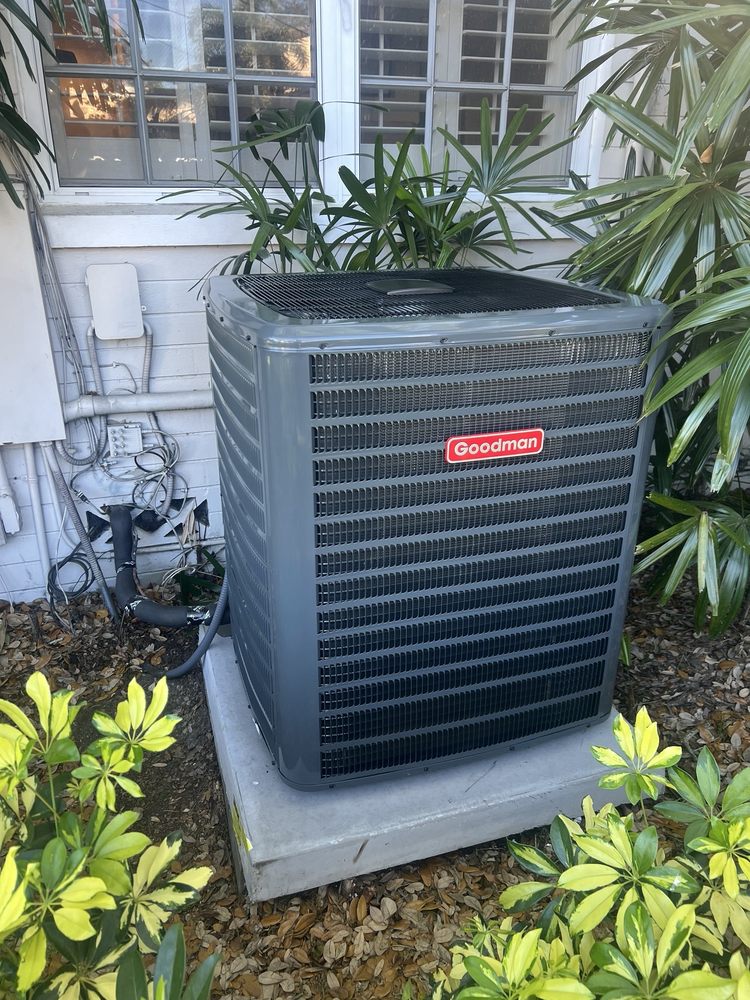
Why correct installation matters in Winter Springs
Florida’s climate creates high sensible and latent cooling loads. That means you need a system sized and installed to handle both temperature and humidity. An undersized unit can short-cycle and fail to remove humidity. An oversized unit will cool quickly but leave the home clammy and waste energy. Proper installation also protects equipment during summer storms and reduces risk of pressure or airflow issues caused by hot attics common in central Florida.
Load calculation and system sizing
Accurate sizing starts with a Manual J load calculation. This assesses:
- Square footage and room-by-room orientations
- Insulation levels, window types, and shading
- Occupancy and typical internal heat gains
- Local climate factors like Winter Springs humidity and sun exposure
From Manual J, we produce a Manual D duct plan to ensure ducts move the right amount of air, and a Manual S selection to choose equipment that meets the calculated loads. Proper sizing accounts for latent load (dehumidification) as well as sensible load (temperature), which is essential in Winter Springs homes.
Energy-efficient model selection and SEER ratings
When choosing a new air conditioner, consider:
- SEER rating: Higher SEER delivers lower operating cost. For Florida’s prolonged cooling season, units with SEER 16 or higher often offer the best lifecycle savings.
- Variable-speed or two-stage compressors: These provide better humidity control, quieter operation, and improved efficiency versus single-stage units.
- High-efficiency coils and blowers: Improve heat transfer and airflow, reducing run-time and energy use.
- Corrosion-resistant coatings: Useful even inland, since Florida’s humidity accelerates corrosion over time.
Technicians will recommend models that match your Manual J results and lifestyle. They will also explain refrigerant type and the implications for maintenance and service over the system’s life.
Site preparation and ductwork considerations
Site prep includes confirming proper outdoor unit placement for airflow and service access, verifying level pad or curb, and ensuring condensate plumbing and electrical are accessible and code compliant. Ductwork issues commonly found in Winter Springs homes:
- Leaky joints and disconnected returns
- Undersized trunk lines or improper registers
- Poor attic insulation and duct insulation that increases cooling loads
Options include duct sealing, adding or resizing returns, insulating ducts in hot attics, and improving attic access. Proper ductwork ensures the new system delivers rated airflow and comfort throughout the house.
Step-by-step installation workflow
A typical installation follows these steps:
- Pre-install inspection and final load verification using on-site measurements.
- Deliver equipment and prepare the installation area, including pad or curb placement.
- Remove old equipment safely and dispose of refrigerant per regulations.
- Install outdoor condensing unit and indoor air handler or coil; set and secure condensate lines.
- Modify or replace duct connections, plenum, and register work as required by Manual D.
- Electrical hook-up to local codes, including disconnect and breakers.
- Evacuate and pull a vacuum on refrigerant lines, then charge the system to manufacturer specifications.
- Install and configure thermostat and control wiring, including smart thermostat setup if used.
- Start-up and initial run to verify cooling, airflow, and safety controls.
- Final cleanup and homeowner walkthrough with demonstration of system operation.
Install times vary by system complexity but most residential installs in Winter Springs complete in one full workday to two days.
Post-installation testing and commissioning
Commissioning confirms the system meets performance targets:
- Measure airflow (CFM) to each supply and return
- Check static pressure and blower RPM
- Verify refrigerant charge via superheat and subcooling readings
- Confirm temperature split and supply/return delta T
- Test electrical load and breaker sizing
- Inspect condensate drain operation and secondary overflow protection
- Program and calibrate thermostat, run a full cooling cycle, and verify humidity improvement
Technicians should leave a record of test readings and explanation of routine maintenance tasks to preserve warranty coverage and efficiency.
Warranty and financing basics
Manufacturer warranties commonly cover major components and parts, with many compressors carrying extended warranties when registered. Typical elements to know:
- Parts warranty: Usually 5 to 10 years depending on model and registration
- Compressor warranty: Often extended beyond parts warranty on higher-end units
- Labor warranty: Varies by installer and may be separate from manufacturer coverageRegistering equipment promptly and keeping maintenance records is important for full warranty protection.
Financing options for homeowners can include low-interest HVAC loans, deferred payment plans, or energy-efficient financing through third-party providers. Local utility rebates or state energy programs may also be available for certain high-efficiency systems or heat pump conversions.
What to expect on installation day in Winter Springs
- Technicians arrive in uniforms with identification and bring necessary permits if required.
- A thorough site review will confirm access to attic, electrical panel, and outdoor pad location.
- Expect some noise during removal and installation; installers protect floors and landscaping where possible.
- Depending on the system, interior attic work and short power interruption may be required.
- After completion, the installer will run the system through cycles, explain thermostat operation, and provide commissioning data and warranty paperwork.
Long-term benefits and maintenance
A correctly sized and installed system improves comfort, reduces energy bills, and extends equipment life. In Winter Springs, regular seasonal maintenance is especially valuable to manage humidity, maintain airflow, and prepare systems for peak summer demand. Routine tune-ups preserve warranty eligibility and help avoid emergency repairs during the hottest months.
Maintenance Plan
Heat Pump/ AC Tune-Up

Furnace Tune-Up
Customer Testimonials