


AC Repair in Lake Nona, FL



Keeping your home cool and comfortable in Lake Nona requires dependable air conditioning repair that addresses the problems Florida heat and humidity create. Whether your system is struggling to reach set temperatures, making unusual noises, or not running at all, prompt diagnosis and repair protect your comfort, indoor air quality, and your system’s lifespan.
Why AC repair matters in Lake Nona, FL
Lake Nona residents face long, humid summers and frequent late-afternoon thunderstorms. High cooling loads combined with moisture accelerate wear on compressors, motors, and electrical components. Power surges tied to storms can damage capacitors and contactors. Because many homes in Lake Nona have newer high-efficiency systems, accurate diagnostics and correct parts are essential to preserving performance and warranty coverage. Timely AC repair prevents small failures from becoming costly replacements.
Common AC issues and diagnostics
Technicians in Lake Nona commonly diagnose these failures:
- Compressor failure or short cycling
- Symptoms: unit runs but blows warm air, frequent on/off cycles, or outdoor unit humming and not engaging.
- Likely causes: electrical faults, refrigerant issues, mechanical wear.
- Capacitor and contactor problems
- Symptoms: fan or compressor won’t start, buzzing sounds, intermittent operation.
- Likely causes: age, power surges, overheating.
- Refrigerant leaks and low charge
- Symptoms: reduced cooling, ice on evaporator coil, hissing sounds.
- Likely causes: corrosion, poor brazing, vibration damage.
- Airflow restrictions
- Symptoms: uneven cooling, heat buildup in rooms, frozen coils.
- Likely causes: dirty filters, blocked returns, duct leaks, failing blower motor.
- Drainage and condensate problems
- Symptoms: water leaks around indoor unit, high humidity, condensation on ducts.
- Likely causes: clogged condensate drain, pitch issues in drain lines.
- Thermostat and control issues
- Symptoms: system won’t turn on/off correctly, short cycling, inaccurate temperatures.
- Likely causes: calibration, wiring faults, dead batteries, compatiblity with smart thermostats.
Emergency and same-day repair options
Lake Nona’s heat makes emergency and same-day service important during summer peaks. Emergency repairs prioritize immediate threats to health and comfort such as complete system failure, no cooling during extreme temperatures, or leaking refrigerant. Same-day visits often handle diagnostic checks, minor repairs (capacitor, contactor, filter replacement), or temporary fixes to keep your system running until a permanent solution and parts are available.
Typical diagnostic and repair process
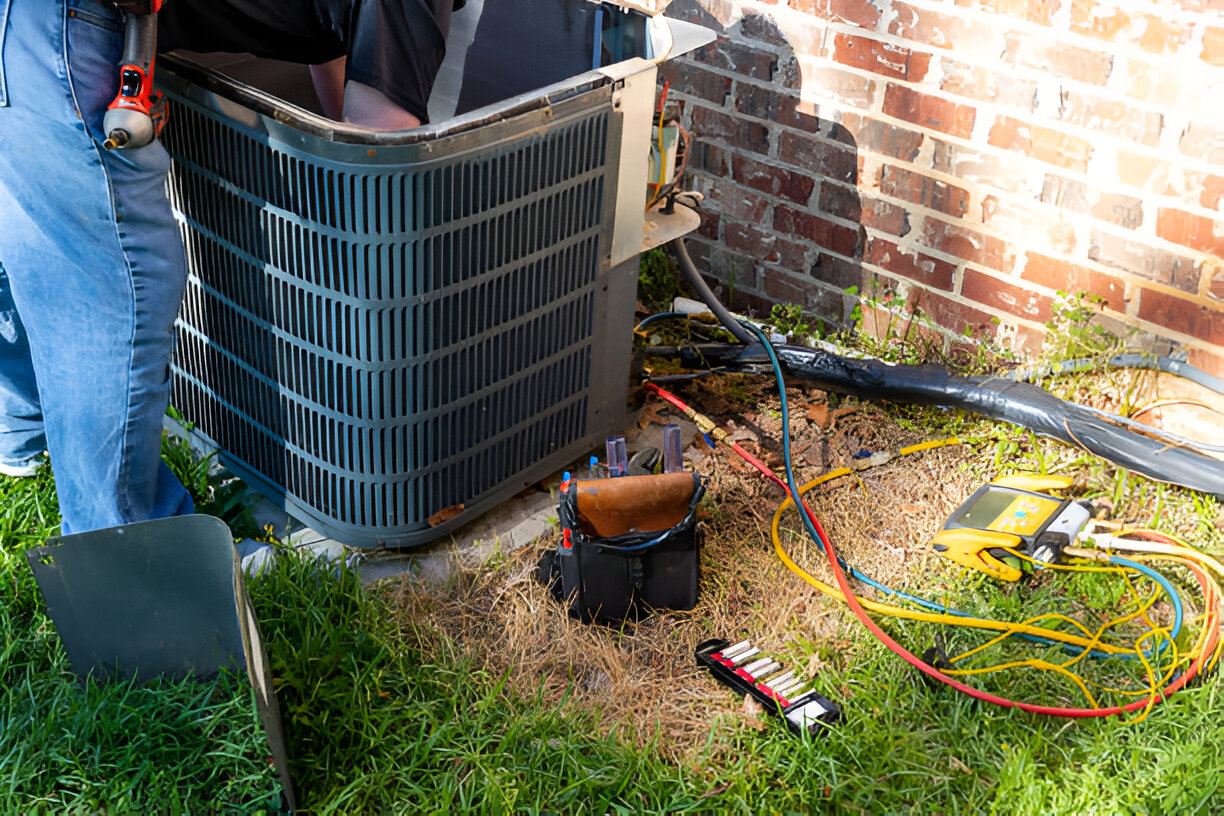
A professional AC repair visit typically follows these steps:
- Arrival and safety check: technicians secure the area, turn off power as needed, and assess visible damage.
- System snapshot: record thermostat settings, temperature splits, operating pressures, and amp draws.
- Visual inspection: indoor and outdoor units, condensate drain, ductwork, wiring, and components.
- Electrical testing: verify capacitors, contactors, motors, and breakers with appropriate meters.
- Refrigerant evaluation: measure pressures, use leak detection tools when needed, and inspect for oil stains.
- Report and estimate: provide clear findings, repair options (repair vs replace components), and expected timelines for parts.
- Authorization and repair: replace faulty parts, recharge refrigerant only if leak repair is made or documented, and reassemble.
- Performance verification: verify proper temperature drop, airflow, and safe operation, and leave documentation of work performed.
Parts and labor expectations
Common replacement parts include capacitors, contactors, fan motors, blower wheels, expansion valves, and refrigerant when leak-free systems allow recharge. Compressor replacement is more involved and may lead to a recommendation for system replacement depending on age and efficiency. Expect technicians to use a mix of OEM and high-quality aftermarket components based on availability and compatibility. Labor typically covers diagnostic time, repairs, system testing, cleanup, and paperwork. Many repair providers in the area offer limited labor warranties on repairs and honor manufacturer warranties on parts when applicable.
Technician qualifications and standards
Look for technicians who are licensed and trained in HVAC best practices:
- EPA refrigerant handling certification for safe refrigerant service.
- State or local licensing that meets Florida requirements.
- Manufacturer training or NATE certification for proper installation and diagnosis.
- Routine safety and quality checks, plus documentation of work performed.Qualified technicians will explain findings in plain language, show you failed parts when practical, and outline whether a repair preserves efficiency or if replacement is recommended.
Troubleshooting tips homeowners can try (safe, simple steps)
Before a technician arrives, try these safe checks to rule out basic issues:
- Check the thermostat: ensure it is set to cool, at a lower temperature than room, and that batteries (if applicable) are fresh.
- Inspect and replace the air filter: clogged filters reduce airflow and can freeze evaporator coils.
- Confirm the outdoor unit is clear: remove leaves, mulch, or debris at least 2 feet around the unit for proper airflow.
- Check breakers and disconnects: a tripped breaker or blown fuse can prevent the outdoor unit from running.
- Clear condensate lines: a slow drain can sometimes be freed with a wet/dry vacuum at the outside access point.
- Don’t attempt refrigerant handling or complex electrical repairs yourself.
If you notice hissing refrigerant sounds, oil stains, severe electrical burning smells, or persistent lack of cooling, those require professional attention.
Scheduling, warranties, and guarantees
In Lake Nona, timing matters because prolonged downtime during heat waves affects comfort and health. Many repair services provide same-day or emergency options during peak months and prioritize older systems showing signs of compressor or refrigerant failure. Written warranties typically separate manufacturer coverage for parts from contractor labor guarantees. Ask for clear documentation of any labor warranty length and what it covers, and confirm that replaced parts retain their manufacturer warranty. Keep records of maintenance and repairs to support warranty claims and to track system health.
Maintenance Plan
Heat Pump/ AC Tune-Up

Furnace Tune-Up
Customer Testimonials