



AC Repair in Montgomery, TX



When your air conditioner struggles during Montgomery’s long, humid summers, it’s not just uncomfortable—it can be a health and safety risk. Air Conditioning Repair in Montgomery, TX focuses on restoring reliable cooling quickly while diagnosing root causes so problems do not return.
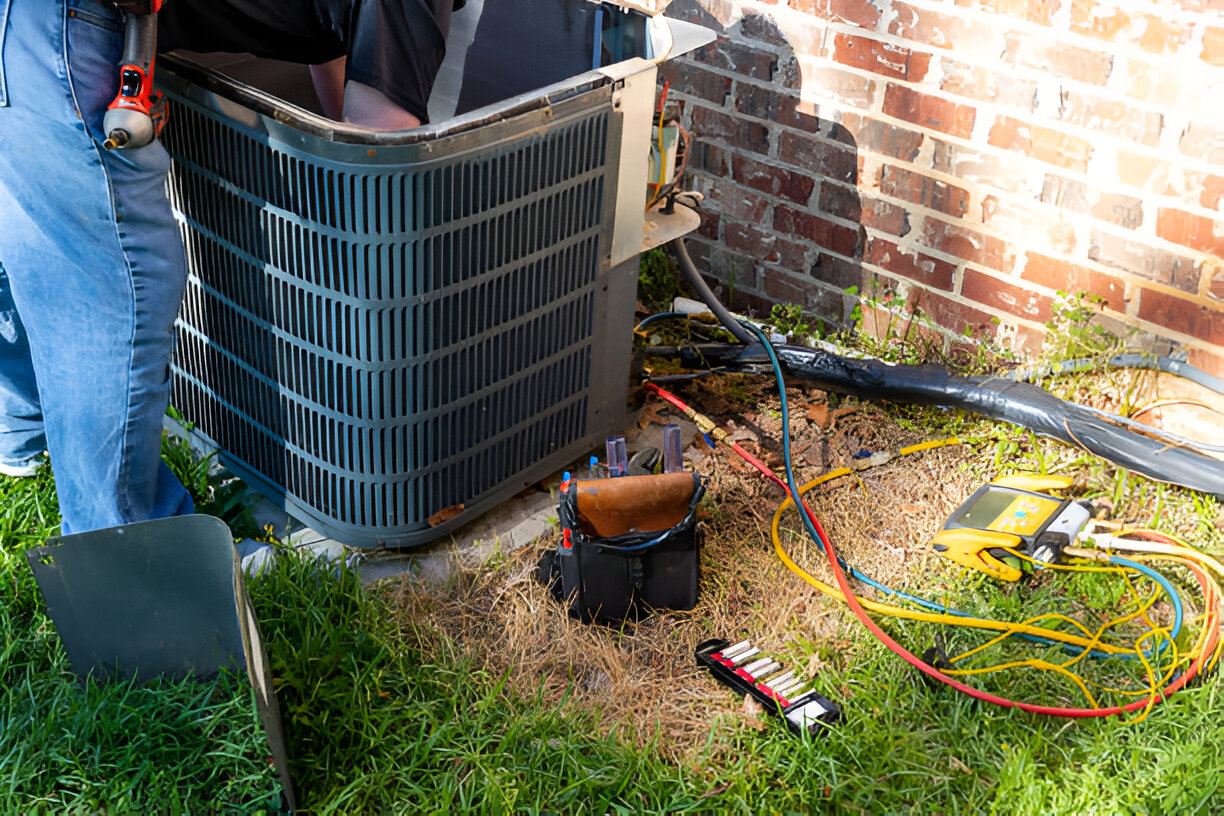
Why timely AC repair matters in Montgomery, TX
Montgomery’s hot, humid climate puts heavy, year-round stress on HVAC equipment. High outdoor humidity and heat increases run times, accelerates wear on compressors and electrical components, and magnifies the effect of refrigerant loss. Storms and summer grid events can also cause electrical surges that damage controls and capacitors. Prompt repair protects indoor air quality, prevents costly secondary damage, and restores efficient operation to reduce energy bills.
Common AC issues in Montgomery and how we diagnose them
Common AC problems in Montgomery, TX homes include:
- No cooling or weak airflow — often caused by failed compressors, low refrigerant, clogged filters or duct problems.
- Unit not turning on — electrical failures, tripped breakers, faulty capacitors or contactors.
- Short cycling or frequent on/off cycles — thermostat issues, improper refrigerant charge, or failing compressor components.
- Frozen evaporator coils — airflow restriction or low refrigerant.
- Refrigerant leaks — loss of cooling capacity and higher energy use.
- Strange noises or vibrations — motor bearings, loose panels, or failing compressors.
- Thermostat problems — incorrect settings, dead batteries, wiring faults, or smart thermostat compatibility issues.
Diagnostic process (typical steps):
- Visual inspection of indoor and outdoor units, filters, and ducts.
- Check electrical supply, breakers, fuses, capacitors, and contactors.
- Measure refrigerant pressures, temperatures and perform airflow checks.
- Use leak-detection tools (electronic sniffer, UV dye, pressure testing) if refrigerant loss is suspected.
- Test thermostat communication and calibration.
- Present a clear, written diagnosis and recommended repairs or options.
Compressor and refrigerant leak repairs
Compressor faults and refrigerant leaks are among the most consequential issues. Repair approach:
- Locate leaks using electronic leaks detectors or UV tracing, repair or replace damaged lines and connections, and replace filter-driers or service valves as needed.
- Evacuate and vacuum the system to remove moisture, then recharge to the manufacturer-specified refrigerant weight and pressure.
- Compressor repairs may include replacing start/run capacitors, relays, or the compressor itself. In many cases a compressor replacement requires brazing and system evacuation.
- Be aware of refrigerant type: older systems using R-22 may have limited supply and higher costs; modern systems use R-410A or alternative refrigerants. A qualified technician will explain options and regulatory considerations.
Note: refrigerant handling is regulated and should only be performed by certified technicians.
Thermostat and electrical troubleshooting
Thermostat and electrical faults are common after storms or long periods of heavy use. Typical troubleshooting and fixes:
- Verify thermostat wiring, settings, and compatibility (especially with smart thermostats). Replace batteries or recalibrate as needed.
- Inspect and test control boards, capacitors, contactors, and start/run components. Replace aging or failed electrical parts.
- Check safety switches, float switches, and condensate drains that can shut down systems.
- Ensure proper grounding and circuit protection; recommend upgrades where electrical panels or wiring are insufficient for modern equipment.
Emergency and same-day repair options
In Montgomery’s summer heat, emergency and same-day AC repair options are important. Emergency service typically begins with triage: isolating hazards, restoring temporary cooling when possible, and prioritizing safety. Same-day repairs focus on restoring comfort quickly—temporary fixes may be used to get you through the day while scheduling a follow-up for permanent solutions. Availability and response windows vary; technicians prioritize safety, system stabilization, and clear communication about next steps.
Parts, labor, and warranty information
- Parts: Technicians commonly use OEM or manufacturer-approved replacement parts for compressors, coils, thermostats, and control boards to preserve system performance and warranty eligibility. Aftermarket parts may be an option for certain repairs; discuss long-term implications.
- Labor: Labor is typically itemized separately from parts. Expect a written estimate outlining labor hours, replacement parts, and any testing or follow-up required. Technicians will note if additional work or permits are required.
- Warranties: Warranty coverage varies—manufacturer warranties often cover major components for a number of years, while parts and labor warranties from service providers can cover specific repairs for a defined period (common ranges include 30 days to 1 year or more). Confirm warranty terms, what actions void warranties, and whether warranties are transferable with equipment ownership changes.
What to expect when scheduling a service call
When preparing to schedule AC repair in Montgomery, TX:
- Provide the unit model, symptoms, and any recent events (storms, power outages).
- Expect an appointment window and an initial diagnostic fee in many cases; the fee is often credited toward approved repairs.
- Technicians will perform a diagnostic, explain the findings, and provide a written estimate with recommended repairs and options such as temporary fixes, permanent repair, or replacement.
- Ask about parts lead times for older systems and whether a temporary workaround is advisable until full repair is completed.
Preventive steps to reduce repairs and extend equipment life
Regular maintenance reduces emergency repairs and improves efficiency. Key maintenance items for Montgomery homes:
- Change or clean filters every 1–3 months during heavy use.
- Schedule annual or biannual tune-ups to check refrigerant charge, electrical components, and airflow.
- Keep the outdoor condenser clear of debris and landscaping; provide shade where practical without restricting airflow.
- Monitor condensate drains to prevent clogs and water damage.
- Consider programmable or smart thermostats to reduce runtime during peak heat and humidity.
Timely repair and routine maintenance preserve comfort, lower energy costs, and extend the life of your system—especially important in Montgomery’s demanding climate.
FAQs
Q: How quickly can a technician diagnose my AC problem in Montgomery, TX?
A: Most basic diagnostics can be completed on the first visit; complex issues that require parts or advanced testing may need follow-up appointments. You should receive a written diagnosis and options after the initial inspection.
Q: Is it worth repairing an older unit with a compressor failure?
A: That depends on the unit’s age, efficiency (SEER rating), and repair cost. Compressors are costly; for units over 10–15 years old it may be more cost-effective to evaluate replacement versus repair.
Q: Can I add refrigerant myself if my AC is low?
A: No. Refrigerant handling is regulated and should be performed by a certified HVAC technician to ensure proper charge, system integrity, and legal compliance.
Q: What warranty should I expect on AC repairs?
A: Warranties vary. Manufacturer warranties typically cover major parts for a set period; service providers often offer parts and labor warranties for repairs. Always request written warranty terms before authorization.
Q: How can I prepare for a same-day or emergency visit?
A: Have the unit model and symptoms ready, clear access to indoor and outdoor units, and be prepared for an appointment window. Technicians will prioritize safety and stabilization before permanent repairs.
Maintenance Plan
Heat Pump/ AC Tune-Up

Furnace Tune-Up
Customer Testimonials