



AC Repair in Willis, TX



When your air conditioner struggles in the peak of a Texas summer, comfort and safety become immediate concerns. Air Conditioning Repair in Willis, TX focuses on restoring reliable cooling quickly while diagnosing root causes to prevent repeat breakdowns. Willis residents face hot, humid summers, seasonal storms, and occasional power fluctuations that increase stress on AC systems.
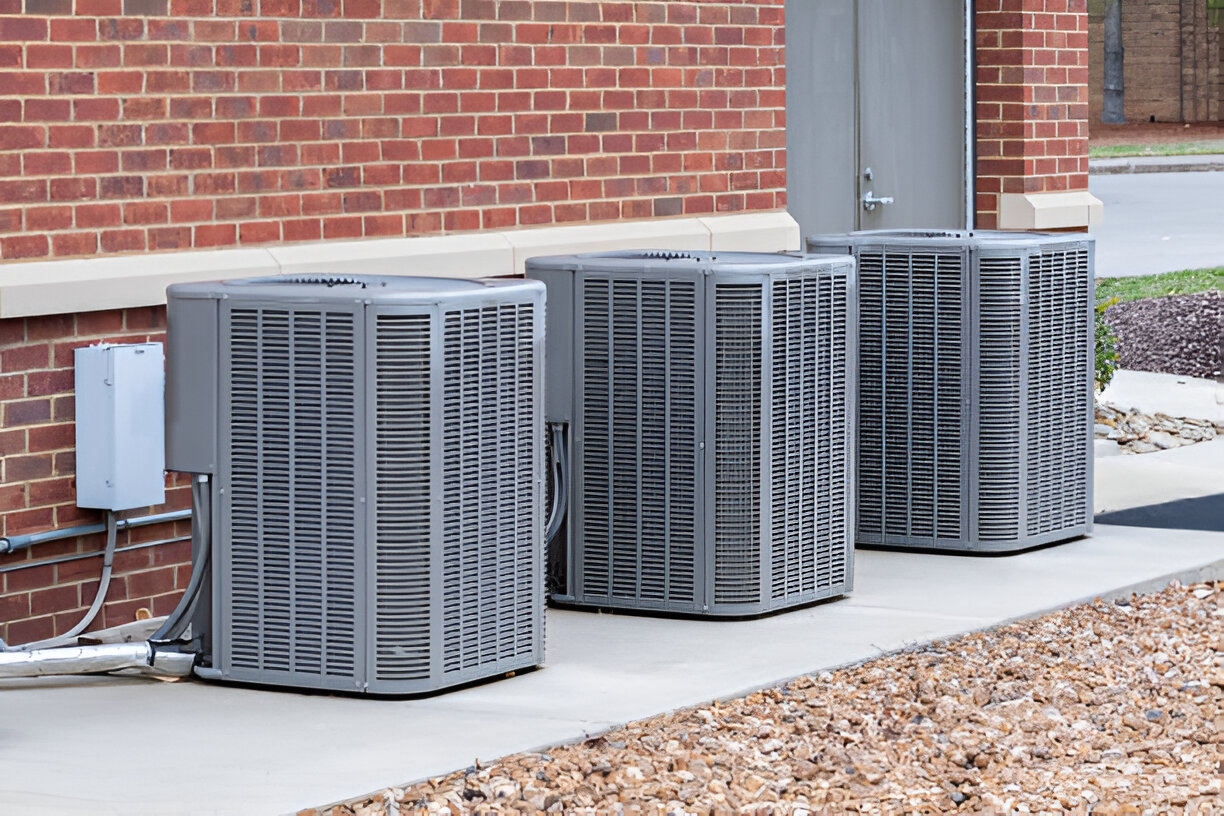
Why timely AC repair matters in Willis, TX
- High humidity increases condensation and corrosion risk, so small issues can escalate fast.
- Extended runtime during long hot spells accelerates wear on compressors, fan motors, and electrical components.
- Storms and power surges common to East Texas can cause electrical faults or refrigerant line damage.Prompt repair reduces energy waste, prevents secondary damage (frozen coils, burned-out compressors), restores indoor air quality, and helps preserve system life.
Common AC problems in Willis, TX homes
Most emergency and scheduled repairs fall into a few predictable categories:
- Compressor failure or poor compressor performance — signs include warm air, loud noises, or unit cycling on/off frequently.
- Refrigerant leaks or low refrigerant — system fails to reach set temperature, coils freeze, or you see oil residue near fittings.
- Electrical faults — blown fuses, tripped breakers, damaged capacitors or contactors result from wear or voltage spikes.
- Thermostat and control issues — incorrect readings, poor communication with the outdoor unit, or failed sensors.
- Airflow problems — clogged filters, dirty evaporator coils, or failing blower motors reduce cooling capacity.
- Drainage and condensate problems — blocked drains lead to water inside the home and safety switch trips.
- Outdoor fan or condenser issues — bent fins, debris, or fan motor failure after storm events.
Diagnostic process: what a professional technician will do
A thorough diagnostic identifies underlying causes rather than treating symptoms. Typical steps:
- Visual inspection of indoor and outdoor units, electrical panels, and ductwork for obvious damage, leaks, or debris.
- System startup and performance check to observe temperatures, pressures, and cycling behavior.
- Electrical testing of capacitors, contactors, transformers, fuses, and wiring to find shorts, drops, or failed components.
- Refrigerant pressure measurement with gauges to confirm charge level; leak detection using electronic detectors or UV dye when needed.
- Airflow and coil inspection to evaluate filter condition, evaporator/condenser coil cleanliness, and blower performance.
- Thermostat and controls verification including calibration checks and confirming communication between components.
- Documentation and transparent findings so you know recommended repairs, parts needed, and why replacement might be advised.
Technicians in the Willis area typically carry common replacement parts and diagnostic tools to complete many repairs in a single visit. For complex issues (major compressor replacement or coil swaps) a return visit with ordered parts may be scheduled.
Typical repair solutions and common parts
Common repairs often include:
- Capacitor and contactor replacement to restore reliable starts and motor operation.
- Compressor repair or replacement when the compressor is seized, noisy, or electrically compromised.
- Refrigerant leak repair and recharge including replacing failed fittings, brazing lines, and vacuuming and recharging to proper charge.
- Blower motor or fan motor replacement to restore proper airflow.
- Thermostat replacement or recalibration for accurate temperature control and improved efficiency.
- Control board or relay replacement to resolve intermittent operation or faulty sequencing.
- Cleaning or replacing coils and filters to improve heat transfer and efficiency.
- Drain line clearing or condensate pump replacement to prevent water damage and safety switch trips.
- Duct repairs or sealing when airflow losses are traced to duct leaks.
Decisions between repair and replacement depend on system age, frequency of failures, and overall efficiency. In Willis, where summers are long and AC is used heavily, older low-SEER units may be better candidates for replacement when major components fail.
Warranties, guarantees, and licensed work
- Manufacturer warranties typically cover certain parts for a defined period; compressor warranties are often longer than other components. Keep original purchase records to confirm coverage.
- Service repairs are commonly backed by a labor warranty that covers the technician’s work for a specified timeframe; ask for written terms before authorizing major repairs.
- Refrigerant handling and system work require certified technicians (EPA refrigerant handling requirements and applicable Texas licensing), ensuring safe, compliant repairs and valid warranty service.
Maintaining documentation of maintenance visits and repair receipts helps with warranty claims and future service decisions.
How to request fast service in Willis, TX (what to prepare)
When you need prompt attention, preparing information speeds the process and helps technicians arrive ready:
- Note the system make, model, and approximate age if available (usually on the outdoor unit nameplate).
- Describe symptoms clearly: when the issue started, noises heard, any recent storms or power outages, and whether the indoor unit is blowing warm or weak air.
- Check simple items first: ensure breakers are on, thermostat has fresh batteries, and filter access panels are closed.
- Be ready to describe access conditions (gate codes, pets, best entrance) so a technician can reach the unit without delay.
- For emergency events, explain any safety concerns like water intrusions, burning smells, or electrical sparking so the response can be prioritized appropriately.
Local response times vary by season and weather; in Willis, peak-summer demand and storm recovery periods can affect scheduling. Having the system information and symptom history ready helps reduce diagnosis time on site.
Preventive tips to avoid emergency repairs
- Replace filters monthly or according to manufacturer recommendations.
- Schedule seasonal tune-ups before peak cooling season to catch wear and refrigerant leaks early.
- Keep outdoor units clear of leaves, debris, and overgrowth to maintain airflow.
- Install a surge protector on the HVAC circuit if your area experiences frequent electrical storms.
- Monitor energy bills and runtime—sudden increases can indicate declining efficiency or hidden faults.
Maintenance Plan
Heat Pump/ AC Tune-Up

Furnace Tune-Up
Customer Testimonials