


AC Repair in Winter Springs, FL



Keeping your home comfortable in Winter Springs means relying on an AC system that runs efficiently through long, humid summers and sudden storm-driven outages. When an air conditioner fails, the problem is more than an inconvenience — prolonged downtime can cause higher energy bills, indoor humidity problems, and strain other HVAC components.
Why timely AC repair matters in Winter Springs, FL
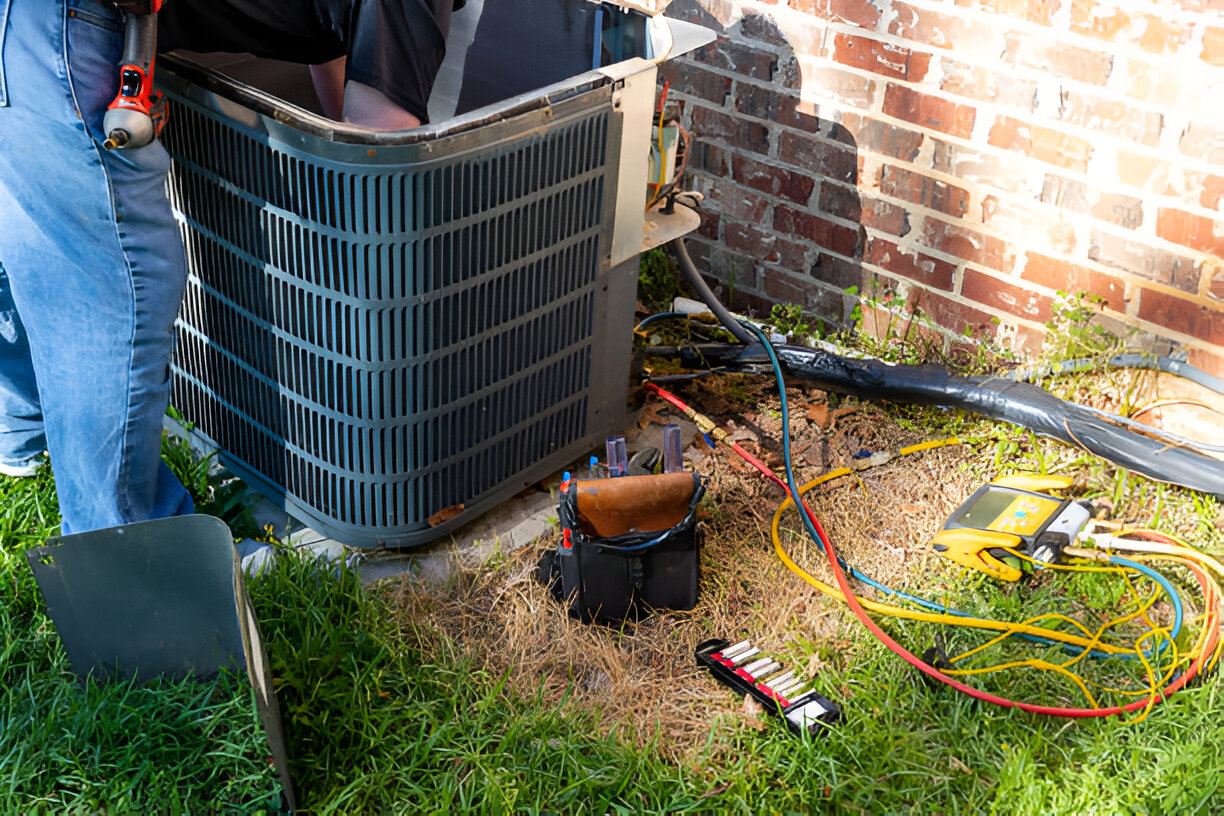
Winter Springs’ hot, humid climate puts heavy daily demand on cooling systems. High humidity increases runtime and can accelerate wear on compressors, fan motors, and electrical components. Summer storms and occasional power interruptions also increase the risk of electrical faults and refrigerant leaks. Prompt repairs reduce energy costs, prevent secondary damage (like mold on damp ducts and insulation), and extend the life of your system.
Common AC failure modes in Winter Springs
- Compressor failure: Symptoms include little or no cooling, loud humming or clanking noises, or the unit short-cycling. Frequent cycling in high heat accelerates compressor wear.
- Condenser or blower fan motor problems: Fans that won’t spin, are noisy, or run intermittently reduce airflow and heat rejection, causing higher pressures and overheating.
- Refrigerant leaks: Low refrigerant leads to reduced cooling and frozen evaporator coils. In humid climates, leaks also increase indoor humidity and energy use.
- Electrical faults: Failed capacitors, contactors, wiring shorts, and breaker issues are common after storms or with aging systems.
- Clogged condensate drains and dirty coils: High humidity and pollen in the area can clog drains and coat coils, reducing efficiency and causing overflow or coil freeze.
- Thermostat and control failures: Incorrect readings, communication errors, or programming faults result in comfort complaints despite a functioning system.
- Duct issues: Leaks, collapsed sections, or poor insulation reduce performance and can introduce moisture and contaminants.
Diagnostic procedures technicians use
- Visual inspection of indoor and outdoor units, looking for physical damage, oil stains, and corrosion.
- Electrical checks: voltage and amperage readings, capacitor testing, contactor operation, and breaker integrity.
- Refrigerant checks: pressure readings and leak detection to locate low-charge or active leaks.
- Airflow measurement and temperature split testing to quantify performance.
- Coil and drain inspections to identify blockages or biological growth.
- System history review to correlate recurring problems with age, past repairs, and maintenance records.
Diagnostics are performed before recommending repairs so you know whether a repair, part replacement, or full system replacement is the most cost-effective, long-term solution.
Emergency and rapid-response repair options
During severe heat or after storm-related failures, same-day or emergency service options prioritize restoring cooling quickly while preserving system life. Rapid-response repairs typically:
- Re-establish safe operation (reset breakers, bypass failed controls, clear condensate clogs)
- Provide temporary measures to limit heat and humidity until permanent parts arrive
- Prioritize system safety: isolate electrical faults, secure loose components, and verify proper refrigerant pressures after repairs
In Winter Springs, emergency responses are often needed after summer thunderstorms, when lightning or fluctuations cause control and electrical issues.
Parts replacement and quality considerations
Common parts replaced during AC repair:
- Compressors, condenser and evaporator fan motors
- Capacitors, contactors, relays, and control boards
- Expansion devices and TXVs, suction and liquid line components
- Evaporator or condenser coils and line sets (for significant corrosion or leaks)
- Thermostats and zone controls
Quality matters: choosing OEM or high-quality aftermarket parts helps maintain efficiency and reduces repeat failures. Technicians should match part capacity and compatibility to existing system specs and consider long-term efficiency when replacing major components.
Warranty handling and insurance considerations
- Manufacturer warranties typically cover major components for defined periods; labor warranties are separate and vary by installer.
- Proper warranty service requires documentation: original purchase records, serial numbers, and maintenance history.
- If equipment is still under manufacturer warranty, repairs often require OEM parts and authorized procedures. If a repair is covered by homeowner’s insurance (for storm or lightning damage), documentation and photos of damage, plus technician estimates, will support claims.
- Technicians should explain which repairs are covered by which warranty and provide the paperwork needed for claims or future warranty transfers.
Homeowner troubleshooting tips before a service visit
- Check the thermostat: confirm it is set for cooling, fan is on auto, and batteries (if applicable) are fresh.
- Verify breakers: inspect the main panel for tripped breakers and reset if safe to do so.
- Clear outdoor unit: remove debris, leaves, and vegetation at least two feet from the condenser to restore airflow.
- Look for obvious water leaks: note any condensate overflow or standing water near the indoor unit.
- Note noises, odors, or patterns: whether the unit fails during high humidity, only at night, or after storms helps pinpoint causes.
Keep a log of temperatures, error codes, and when problems started — technicians rely on these details to diagnose faster.
What to expect during a repair visit
- A technician will perform a systematic diagnostic inspection and explain findings in clear terms.
- You’ll be given repair options: repair with specific part replacements, temporary fixes with a follow-up, or a recommendation for replacement if the system is near end-of-life.
- Safety checks and system testing are completed after work: electrical securement, refrigerant pressure balance, temperature split verification, and airflow confirmation.
- Completed repairs should come with a written summary of work performed, parts used, and any service warranty on labor.
Preventive maintenance and long-term benefits
Routine maintenance — seasonal coil cleaning, filter changes, refrigerant level checks, and electrical inspections — reduces emergency repairs and maintains efficiency. In Winter Springs, annual tune-ups before summer peak usage are particularly valuable. Regular maintenance saves money by reducing energy use, lowering the risk of mid-summer breakdowns, and extending equipment life.
Maintenance Plan
Heat Pump/ AC Tune-Up

Furnace Tune-Up
Customer Testimonials