


AC Replacement in Metro West, FL



Replacing an aging air conditioner is one of the most effective ways to restore comfort and cut energy costs in Metro West, FL homes. With long, hot summers and persistent humidity, residents depend on reliable cooling.
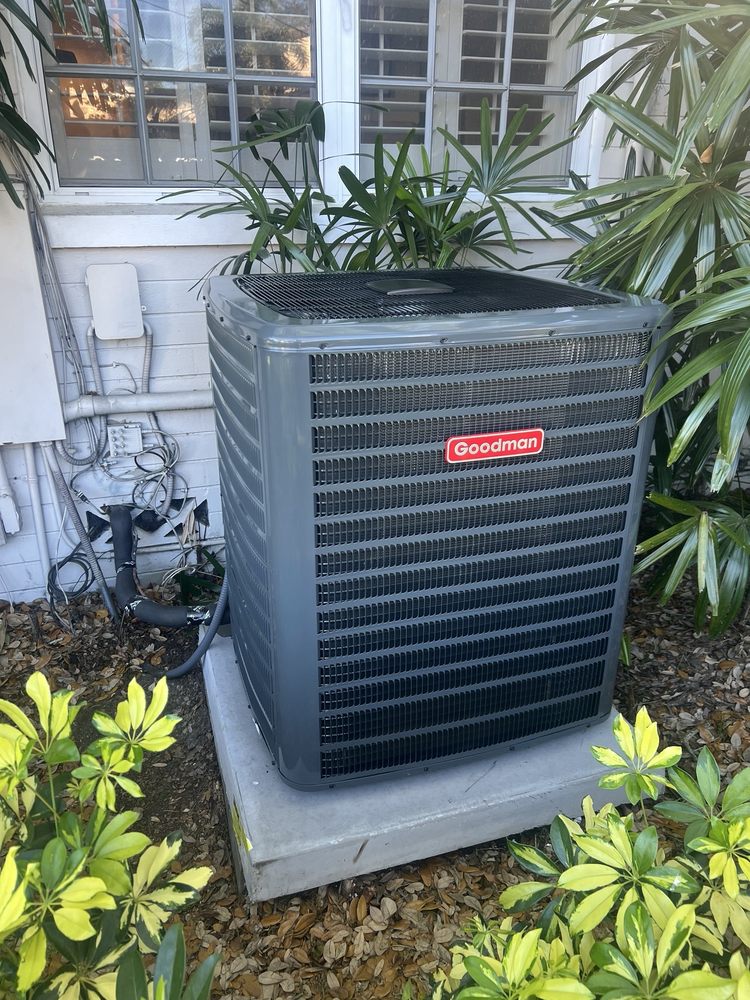
Why replace your AC in Metro West, FL
Metro West homeowners run their air conditioners year-round more than many other regions. High cooling demand means older units wear out faster, refrigerant availability and efficiency standards have changed, and expired warranties are common. Common local factors that push replacement sooner:
- Extended cooling seasons and high humidity that increase run-time and stress on compressors.
- Local electric rates and frequent AC use make inefficiency costly.
- Older systems may use discontinued refrigerant (R-22), which is increasingly expensive to service.
- Storms and seasonal pollen/humidity can exacerbate indoor air quality issues that a new system with better filtration and dehumidification can address.
Common signs your AC needs replacement
If you see any of the following in your Metro West home, consider a replacement evaluation:
- Unit is 10–15 years old and requires frequent repairs
- Rising energy bills without a change in use
- Uneven cooling or rooms that never reach set temperature
- Strange noises, frequent short cycles, or compressor failure
- Refrigerant leaks or use of R-22 refrigerant
- Moisture, mold, or persistent indoor humidity problems
Types of replacement systems to consider
Choosing the right system depends on your home, ductwork, and comfort goals. Common options:
- Central air conditioner (split system) — traditional option when existing ducts are in good condition.
- Heat pump — efficient for year-round conditioning, providing both cooling and heating; ideal for Florida’s mild winters.
- Ductless mini-split — good for room additions, garages, or homes without ducts; offers zoned control.
- Packaged systems — all components in one outdoor unit; sometimes used in homes with limited space.
How we evaluate aging equipment (what an inspection covers)
A thorough replacement assessment includes:
- Equipment age, model, and refrigerant type
- Visual and operational inspection of compressor, coils, fan motors, and controls
- Ductwork evaluation for leaks, insulation, and airflow balance
- Load calculation (Manual J) to size a new system correctly based on home layout, insulation, windows, and occupancy
- Energy use estimate based on current SEER and expected SEER after replacement
- Indoor air quality needs like filtration and whole-house dehumidification
Comparing new high-efficiency systems
When comparing options, focus on features that matter in Metro West:
- SEER rating (Seasonal Energy Efficiency Ratio): higher SEER means lower energy use. New systems commonly range from mid-teens to 25+ SEER.
- Variable-speed or two-stage compressors: improve comfort by running longer at lower output, better humidity control, and quieter operation.
- Inverter technology: matches output to load for consistent temperatures and reduced cycling.
- Enhanced filtration and UV or electronic air cleaners for allergy and mold control in humid climates.
- Smart thermostat compatibility for better scheduling and tracking energy usage.
Estimated cost vs. long-term savings
Replacement cost varies by system type, size, ductwork condition, and features. Consider these trade-offs:
- Upfront investment is offset over time by reduced energy bills, fewer repairs, and increased home value.
- A higher SEER unit costs more initially but can reduce electricity usage significantly in a high-use climate like Metro West.
- Heat pumps may provide additional savings by replacing separate heating equipment and delivering efficient year-round comfort.
- Proper sizing and installation are critical; an oversized system increases cycling and humidity issues, while an undersized system won’t cool adequately.
Rebates, incentives, and promotions
Multiple programs may reduce net cost:
- Utility rebates for high-efficiency equipment or qualifying heat pumps
- Manufacturer promotions or seasonal incentives on specific models
- Federal or state tax credits for qualifying energy-efficient systems (subject to current rules)
- Local energy-efficiency programs that require specific installation standards or verification
When exploring rebates, confirm program eligibility, required documentation, and application windows. Many incentives require pre-approval or post-installation verification.
Removal and disposal of old units
Responsible replacement includes safe removal and disposal:
- Refrigerant recovery must follow EPA regulations; certified technicians reclaim or properly dispose of prohibited refrigerants.
- Outdoor units, coil assemblies, and electrical components are recycled or disposed of per local code.
- Old thermostats or contaminants are handled according to environmental guidelines.
- If ductwork is removed or altered, appropriate sealing, insulation, and testing should follow.
Typical timeline for replacement
A standard replacement process in Metro West generally follows:
- Initial inspection and load calculation: 1 visit (30–90 minutes)
- Equipment selection and ordering: varies (ordered parts or custom-match components may take 1–3 weeks)
- Installation day: most residential replacements are completed in 1–2 days depending on complexity (duct repairs or permit work can extend time)
- System testing and homeowner orientation: final walk-through ensures performance and control setup
- Permit inspection and completion sign-off: local code compliance timeline varies
Plan for potential permit or HOA review time if applicable.
Benefits beyond lower energy bills
A properly selected and installed replacement system delivers:
- More consistent temperatures and improved humidity control during Florida’s humid months
- Reduced repair frequency and increased reliability during peak cooling demand
- Improved indoor air quality through upgraded filtration and airflow management
- Quieter operation and better comfort control with zoning or variable-speed equipment
- Increased home resale value and potential eligibility for energy-efficiency incentives
Maintenance and maximizing performance
To protect your investment:
- Schedule annual tune-ups to keep efficiency and reliability high
- Replace filters regularly and check condensate drains to prevent mold and water damage
- Keep outdoor unit clear of debris and maintain adequate airflow
- Use programmable or smart thermostats to reduce runtime when the home is unoccupied
- Address duct leaks and insulation gaps to ensure conditioned air reaches living spaces efficiently
Maintenance Plan
Heat Pump/ AC Tune-Up

Furnace Tune-Up
Customer Testimonials