



AC Replacement in Seminole County, FL



Replacing an aging or failing air conditioner is one of the most impactful home-improvement decisions Seminole County homeowners can make. With hot, humid summers, frequent afternoon thunderstorms, and coastal air in parts of the county, an efficient, properly sized AC keeps your home comfortable, reduces humidity-related issues, and lowers monthly electric bills.
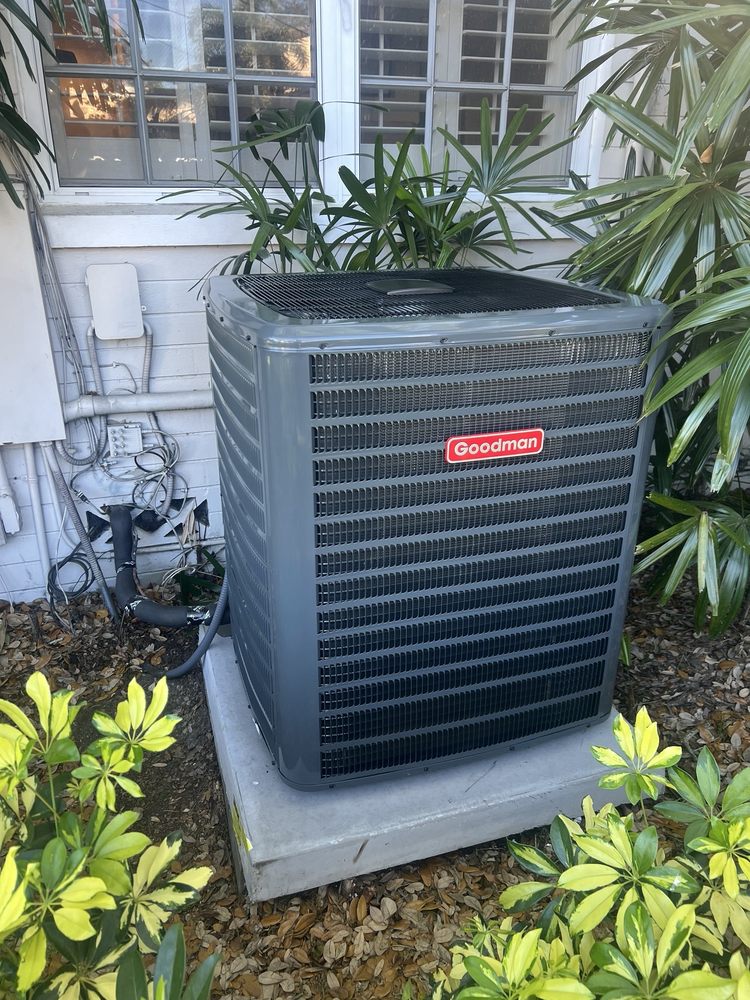
Why a proper replacement matters in Seminole County
Seminole County homes face high cooling loads and humidity for much of the year. Older systems often struggle to dehumidify effectively, run continuously, and suffer accelerated wear from frequent cycling and salt-corrosion in more coastal-adjacent areas. A modern replacement matched to your home’s load and ductwork delivers better comfort, improved indoor air quality, and longer equipment life while lowering energy use.
Common signs you need an AC replacement
- System age: central AC units older than 10 to 15 years commonly approach end of useful life.
- Rising energy bills despite regular maintenance.
- Frequent or increasingly costly repairs (compressor, compressor hard-starts, repeated refrigerant leaks).
- Inconsistent cooling: rooms that never reach thermostat setpoint or large temperature swings.
- Excessive humidity or condensation inside the home.
- Use of R-22 refrigerant (no longer manufactured) or recurrent refrigerant recharge events.
- Loud operation, excessive vibration, or visible rust and coil corrosion.
- Refrigerant leaks or failed compressor that drive repair cost near replacement cost.
Repair vs. replacement: how to decide
- Consider replacement when:
- The unit is older than 10 years and repair cost is a significant portion of a new system.
- Multiple major components have been replaced (compressor, coil, control board).
- Energy bills remain high even after repairs and tune-ups.
- The system cannot maintain comfort due to undersizing or poor efficiency.
- Consider repair when:
- The unit is relatively new (<7–8 years) and the issue is a low-cost, isolated component.
- You plan to move soon and the payback period for replacement is longer than your ownership time.
- Rule of thumb: if the estimated remaining life is short and repair costs approach 40–50% of a new system, replacement is typically the smarter long-term choice.
Recommended high-efficiency systems and expected energy savings
- Look for modern systems with:
- Higher SEER ratings (Seasonal Energy Efficiency Ratio). For Seminole County cooling demands, choosing a system in the 16 to 20+ SEER range yields meaningful savings compared with older equipment.
- Variable-speed or two-stage compressors and variable-speed air handlers for improved humidity control and steady temperatures.
- ENERGY STAR certified units and properly matched outdoor coils and indoor equipment for peak efficiency.
- Corrosion-resistant coatings or packaged components if home is closer to coastal influence.
- SEER impact (typical estimates):
- Replacing a 10 SEER unit with a 16 SEER unit can reduce cooling energy use by approximately 35% to 40%.
- Replacing a 10 SEER unit with a 20 SEER unit can potentially reduce energy use by roughly 50%.
- Results vary with home insulation, duct condition, thermostat settings, and local usage patterns. Use a SEER calculator or an energy audit for precise estimates.
Removal and disposal of old equipment
- Refrigerant recovery: Federal and state regulations require certified technicians to capture and reclaim or recycle refrigerant. Units using R-22 require special handling due to phase-out rules.
- Safe disconnection: Electrical, gas (if applicable), and condensate lines are isolated and secured.
- Responsible disposal: Metal, plastics, and electronic components are recycled where possible; non-recyclable material is disposed of per local environmental regulations.
- Documentation: Proper disposal and refrigerant recovery records should be provided for your files and for compliance with local codes.
Typical installation timeline
- Pre-installation site survey: 1 visit — load calculations, duct inspection, electrical capacity check, and any necessary permitting considerations.
- Permit and scheduling: Permitting timelines vary by jurisdiction. In Seminole County, simple replacements often clear within several days; more extensive work requiring electrical or structural permits can add time.
- Installation day(s): Most straightforward replacements are completed in 1 to 2 days: remove old unit, set new outdoor unit and indoor coil/air handler, connect refrigerant lines, electrical and thermostat wiring, and start-up.
- Complex installs: If duct modifications, electrical panel upgrades, or structural work are needed, expect 3 to 7 days or more depending on scope and permit lead times.
- Final testing and homeowner orientation: technician verifies refrigerant charge, airflow, thermostat calibration, and demonstrates system operation.
Financing options to consider
- Common financing structures for AC replacement include installment loans, energy-efficiency loans, and payment plans that spread cost over 12 to 84 months.
- Look for financing that offers clear terms on interest, penalties for late payment, and fixed monthly amounts.
- Financing may be particularly useful when replacement prevents further repair costs and delivers monthly energy savings that offset payments.
- Ask about options that include equipment and labor coverage, or separate plans for manufacturer warranties and labor protection.
Warranty and long-term protection
- Manufacturer warranties commonly cover major components for 10 years on many high-efficiency units, with parts-only coverage standard and longer warranties available upon registration.
- Labor warranties are typically shorter (one to several years) and vary by installer. Confirm whether labor coverage is included and whether extended labor warranties are available.
- Recommended actions to preserve warranty: register the equipment with the manufacturer, keep maintenance records, and follow manufacturer-recommended maintenance intervals (annual tune-ups and coil/filtration care).
Long-term benefits and maintenance advice
- Benefits of timely replacement:
- Lower monthly energy bills and improved overall comfort in Seminole County’s warm, humid climate.
- Better humidity control, leading to reduced mold risk and improved indoor air quality.
- Fewer emergency repairs and more predictable operating costs.
- Opportunity to upgrade to smart thermostats and zoning for increased control and efficiency.
- Maintenance tips to maximize life and efficiency:
- Schedule annual tune-ups and coil cleanings.
- Replace HVAC filters regularly and consider higher-efficiency filtration if indoor air quality is a concern.
- Inspect ductwork for leaks and insulation gaps; sealing and insulating ducts can improve performance by 10% or more.
- Keep outdoor unit clear of debris, plants, and excessive dust to protect coils and maintain airflow.
Maintenance Plan
Heat Pump/ AC Tune-Up

Furnace Tune-Up
Customer Testimonials