


AC Replacement in Winter Park, FL
Upgrade your cooling with professional air conditioning replacement in Winter Park, FL from Van Eddies Heating & Air Conditioning. Efficient systems installed right.



Upgrading your home with an air conditioning replacement in Winter Park, FL is one of the most impactful investments you can make for year-round comfort, indoor air quality, and energy savings. With hot, humid summers, frequent afternoon storms, and an emphasis on indoor living, Winter Park homes rely on dependable cooling.
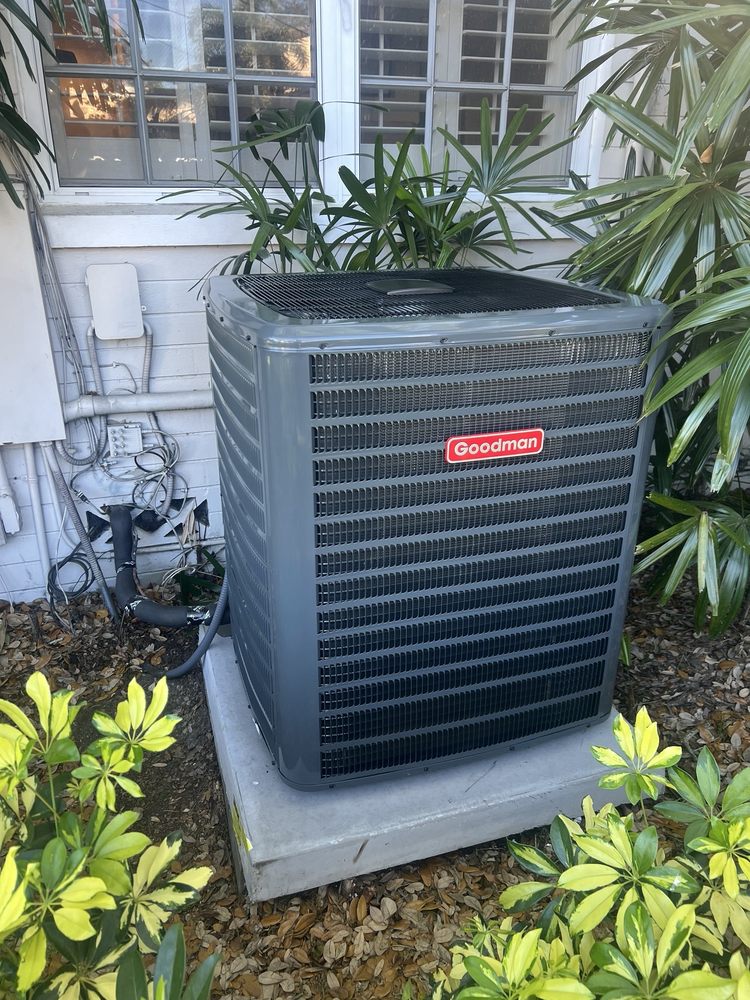
Why consider AC replacement in Winter Park homes
- Summer heat and high humidity push older systems to work harder, increasing wear and monthly energy bills.
- Frequent system cycling, rising repair frequency, or uneven cooling are common signs that replacement may be more cost-effective than repeated repairs.
- Newer systems handle Florida humidity and cycling better, improving comfort and reducing the risk of breakdowns during peak season.
Common signs you need AC replacement rather than repair
If you see several of these signs, replacement often delivers better long-term value:
- System age 10 to 15 years or older, especially if original equipment.
- Increasing repair frequency or rising repair bills in short succession.
- Poor cooling performance in multiple rooms or inability to maintain set temperature.
- Significantly higher energy bills despite similar use patterns.
- Refrigerant leaks tied to older refrigerants (R-22) that are phased out and costly to recharge.
- Loud, unusual noises from the compressor or major components.
- Continuous short cycling or failure to start reliably.
Evaluating system age and SEER performance
- Age: Typical residential AC systems last around 12 to 15 years in South Florida conditions if maintained properly. When your system approaches this window, plan for replacement budgeting and evaluation.
- SEER: Seasonal Energy Efficiency Ratio (SEER) measures cooling efficiency. Older systems commonly have SEER ratings in the low teens or single digits. Modern units commonly achieve SEER 16 to 25 or higher. Moving from an older 10 SEER system to a 16+ SEER unit often yields meaningful energy reductions in Winter Park’s climate.
- Efficiency vs. usage: The hotter and more humid the summers, the more you benefit from higher SEER and more efficient components. Combine a high-SEER system with proper sizing and ductwork to maximize savings.
Recommended replacement options for Winter Park homes
- Central air systems with higher SEER ratings: Best for homes with existing ductwork that is in good condition. Look for variable-speed compressors and multi-stage cooling for smoother temperature control and better humidity management.
- Heat pump systems: Offer both cooling and heating with high efficiency year-round. Modern heat pumps perform well in Central Florida and are an excellent all-season option.
- Ductless mini-splits: Ideal for room additions, older homes without ducts, or targeted comfort zones. Mini-splits provide high efficiency and zoned control.
- Improved controls: Smart thermostats and zoning systems help tailor comfort while reducing wasted cooling in unused areas.
- Matching indoor components: Replacing the outdoor condensing unit alone can cause mismatch issues. For best efficiency and performance, pair a new condenser with compatible indoor coil and controls.
The replacement process and what to expect
- Assessment: A technician evaluates system age, ductwork condition, insulation, load requirements, and SEER goals.
- System selection: Choose equipment size, type (central, heat pump, ductless), and efficiency level matched to your home.
- Removal and disposal: Old equipment and refrigerants are safely recovered and disposed of following federal and state regulations to protect the environment.
- Installation: Proper installation includes correct refrigerant charge, airflow calibration, duct sealing or repair, and thermostat setup to ensure factory-rated efficiency and warranty compliance.
- Commissioning: Final performance checks confirm capacity, airflow, and controls operate as intended for Winter Park conditions.
Removal and disposal
- Refrigerant recovery: Refrigerant must be recovered and handled according to EPA guidelines. Older systems using phased-out refrigerants need certified recovery and disposal.
- Recycling and disposal: Metal and other components are recycled where possible; hazardous materials are handled per local regulations.
- Clean, documented process: Proper removal improves safety, prevents contamination, and avoids future problems with reused components.
Cost considerations, promotions, and financing
- Replacement cost varies by system type, size, complexity of ductwork, and required duct repairs. Complexity increases when ducts need sealing, attic access is limited, or electrical upgrades are necessary.
- Many homeowners offset upfront cost through available financing options, seasonal promotions, utility rebates, or energy incentive programs; these options can make higher-efficiency systems more attainable.
- When evaluating value, look beyond upfront cost: factor in estimated energy savings, reduced repair bills, improved home comfort, and potential increases in home value.
Energy and comfort benefits after upgrade
- Lower energy use: Modern systems typically reduce cooling energy consumption compared with older units. Depending on the starting point and home specifics, homeowners often see substantial improvements in efficiency.
- Better humidity control: Variable-speed compressors and properly sized equipment improve dehumidification, a crucial benefit in Winter Park’s humid climate.
- Increased reliability: New equipment reduces the likelihood of mid-summer breakdowns and provides more consistent temperature control.
- Quieter operation: Newer units run more quietly and with fewer vibrations.
- Improved indoor air quality: New systems paired with upgraded filtration reduce airborne particles and allergens, improving health and comfort indoors.
Maintenance and getting the most from your new system
- Schedule regular tune-ups to preserve efficiency and extend equipment life; at minimum, annual inspections before cooling season are recommended.
- Replace or clean filters regularly and address duct leaks or insulation issues to maintain performance.
- Use programmable or smart thermostats to reduce runtime during unoccupied periods while maintaining comfort when needed.
- Keep outdoor units clear of vegetation and ensure proper airflow around condensers.
Timeline and what homeowners typically experience
- From assessment to final commissioning, most residential replacements are completed within a few days to a week depending on system complexity, permit requirements, and any needed ductwork or electrical upgrades.
- Minor installs may be completed in a single day, while whole-home upgrades or custom ductwork can extend the schedule.
Maintenance Plan
Our comprehensive 21-point Tune-up maintenance plan ensures your systems run smoothly year-round, with regular check-ups and priority support.
Heat Pump/ AC Tune-Up
Our Heat Pump/AC Tune-Up ensures peak performance by cleaning coils, checking refrigerant, lubricating parts, and inspecting electrical components. This boosts energy efficiency, extends system life, prevents breakdowns, and lowers utility bills while maintaining optimal home comfort year-round.
Sign Up Today!

Check And Adjust Thermostat As Needed
Check Filter; Replace/Wash As Needed
Check Voltages
Check All Wiring And Connections
Check Starting Contractor
Check All Capacitors
Measure All Motor Amperages
Check Operation of Unit Safety Controls
Check Superheat/Hot Gas Temperature
Check Refrigerant; Charge As Needed
Check Evaporator Condition; Clean As Needed
Check For Rubbing Refrigerant Lines
Check And Clean Condenser Coil
Check Air Temperature Across Evaporator Coil
Lubricate Any Moving Parts
Check Fan Blades For Cracks
Check Condenser Temperature Rise
Check Condensate Drain Or Pump
Check Fuse Disconnects
Check Condition of Ductwork
Wax Top Of Unit
Furnace Tune-Up
Our Furnace Tune-Up optimizes heating efficiency through coil cleaning, burner inspection, airflow checks, and safety control testing. This service prevents costly repairs, enhances fuel efficiency, extends equipment lifespan, and ensures reliable warmth during cold months.
Sign Up Today!
Check And Adjust Thermostat As Needed
Check Filter; Replace/Wash As Needed
Check For Gas Leaks At Furnace
Clean Burners And Controls
Check Safety Controls; Adjust As Needed
Check Flame Sensors
Clean Equipment Interior
Check Fan Control
Check Blower Speed And Operation
Check All Wiring And Connections
Check Connection Of Flue Pipe and Draft Diverter
Check Ignition System
Check Heat Exchanger
Check Complete Furnace Cycle
Lubricate All Moving Parts
Check Pressure Switches And Vent Blower/Draft Inducer
Check Temperature Of Vent Air
Check Air Temperature Across Furnace
Check Condition Of Ductwork
Measure Carbon Monoxide
Clean Equipment Exterior
Customer Testimonials
Discover why our customers love us through their heartfelt testimonials.