



AC Tune-Up in Winter Park, FL



An annual air conditioning tune-up is one of the most effective ways to keep your home comfortable and avoid expensive breakdowns during Winter Park summers. With long, humid seasons, frequent afternoon storms, and high pollen counts, Winter Park homes push their AC systems harder than many other climates. A professional tune-up restores efficiency, improves reliability, and catches small problems before they become large repairs.
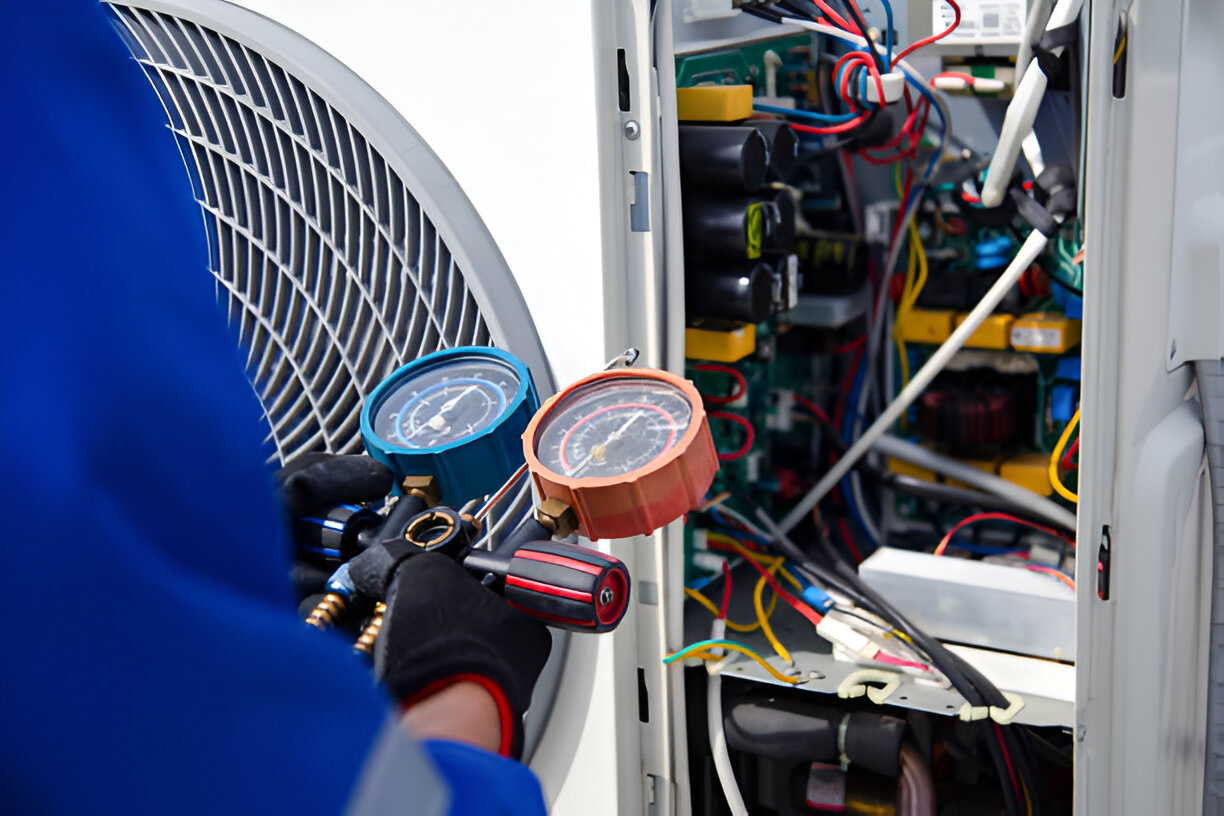
Common air conditioning problems in Winter Park, FL homes
- Reduced cooling capacity after long summer use
- Clogged condensate drains and algae growth from persistent humidity
- Short cycling caused by dirty coils, low refrigerant, or thermostat issues
- Excessive runtime and higher energy bills due to dirty filters and restricted airflow
- Corrosion and debris buildup on outdoor condenser coils from lawn fertilizers and pollen
- Frozen evaporator coils from restricted airflow or low refrigerant
Understanding these frequent local issues helps technicians focus inspections and gives homeowners clarity about why regular maintenance matters in Winter Park.
What a 21-point air conditioning tune-up includes
A complete 21-point tune-up gives a thorough baseline of system condition and performance. Typical checklist items include:
- Visual system inspection (indoor and outdoor units)
- Replace or inspect air filters and advise on appropriate MERV rating
- Clean or inspect evaporator coil for dirt and mold
- Clean outdoor condenser coil and check for debris clearance
- Inspect and clear condensate drain and trap; test drain for proper flow
- Check refrigerant charge and test for leaks when charge is low
- Measure system pressures and compare to manufacturer specs
- Verify temperature split across evaporator coil
- Inspect blower motor, wheel, and clean if necessary
- Check and lubricate motors and moving parts where applicable
- Inspect electrical connections, tighten terminals, and test capacitors and contactors
- Test compressor amp draw and overall electrical load
- Test safety controls and limit switches
- Calibrate and test thermostat settings and operation
- Inspect duct connections for visible leaks and insulation condition
- Check airflow and static pressure indicators
- Inspect refrigerant lines for insulation and damage
- Verify proper unit mounting and outdoor unit leveling
- Inspect condensate pan for corrosion and cleanliness
- Test system runtime and refrigerant cycling behavior
- Provide a written report of findings and recommended actions
This checklist is focused on preventing downtime, maintaining efficiency, and documenting system health for homeowners and warranty requirements.
What technicians inspect and adjust during a tune-up
Technicians use both observation and diagnostic tools. They will:
- Measure electrical currents and voltages to identify failing components that could cause sudden failures.
- Assess refrigerant charge and performance to ensure the compressor is not overworking.
- Evaluate airflow through filters, coil, blower, and ducts to find restrictions that reduce cooling capacity.
- Clean coils and condensate pathways to prevent mold, water overflow, and corrosion that are common in humid climates.
- Test thermostat accuracy and sequence of operation to ensure the system cycles correctly and efficiently.
- Tighten electrical connections and replace worn parts like capacitors or contactors when performance data indicates deterioration.
Technicians document baseline numbers so future tune-ups can reveal trends and confirm that corrective actions worked.
Repairs, adjustments, and realistic expectations after a tune-up
A tune-up may include minor adjustments and cleaning that restore lost efficiency immediately, such as replacing a filter, clearing a condensate line, or cleaning a coil. Some findings may require follow-up repairs, such as refrigerant leaks, failed capacitors, or worn blower motors. When repairs are recommended, the tune-up report will explain urgency and likely impact on performance and energy use so you can prioritize spending.
After a full tune-up you can typically expect:
- More consistent cooling and shorter run times for the same thermostat setting
- Lower energy usage compared to an unserviced system under similar conditions
- Reduced chance of emergency failures during peak heat periods
Recommended frequency and best timing in Winter Park
- Annual tune-up before the cooling season begins is the minimum recommendation for most Winter Park homes. Pre-season service ensures your system is ready for sustained hot, humid months.
- Homes with pets, smokers, heavy pollen exposure, or poor indoor air quality should consider tune-ups twice a year or filter replacement more frequently.
- Heat pump systems benefit from biannual service because they provide both heating and cooling functions year-round.
Timing tune-ups around early spring allows technicians to address any winter-related issues and prepare the system for heavy summer use.
How tune-ups link to maintenance plans and service-call benefits
Regular tune-ups are often a key feature of maintenance plans that provide additional homeowner value. Typical plan benefits tied to tune-ups include:
- Documented, scheduled annual service that reduces the chance of missed maintenance
- Priority scheduling during peak seasons so problems are diagnosed faster
- Waived or reduced diagnostic/service-call fees for plan members when repairs are needed following a tune-up
- Detailed service records that help maintain equipment warranties and support resale value
A documented tune-up schedule creates predictable system performance and makes it easier to budget for necessary repairs before they become emergencies.
Benefits summary and practical maintenance tips
Regular professional tune-ups in Winter Park help you keep cooling bills in check, extend equipment life, and avoid mid-summer breakdowns. They also improve indoor air quality by addressing filters, coils, and condensate issues that are amplified by Florida humidity. Simple homeowner actions that complement professional tune-ups:
- Change or check filters monthly during heavy-use months
- Keep outdoor condenser area clear of debris, mulch, and vegetation for at least 2 feet around the unit
- Monitor for unusual sounds, leaks, or decreased airflow and document dates for the service record
- Set thermostats to stable temperatures and use programmable or smart thermostats to reduce unnecessary cycling
Maintenance Plan
Heat Pump/ AC Tune-Up

Furnace Tune-Up
Customer Testimonials