



What you should know about carbon monoxide



When cold weather arrives, most homeowners instinctively turn up the heat to stay warm and comfortable. However, what often goes unnoticed is the condition of the gas furnace, its exhaust system, and how these components can impact both indoor comfort and safety. One of the most serious risks associated with heating systems is carbon monoxide (CO)-a dangerous gas that every homeowner should understand.
Understanding Carbon Monoxide
Carbon monoxide is a colorless, nearly odorless, and tasteless gas produced when fossil fuels such as natural gas, oil, wood, coal, or gasoline are burned. Because it cannot be easily detected by human senses, carbon monoxide is especially dangerous and is often referred to as a “silent threat.”
In homes, carbon monoxide is commonly produced by gas furnaces, boilers, water heaters, fireplaces, and other fuel-burning appliances. Vehicles running in attached garages, portable generators, grills, or blocked chimneys can also introduce carbon monoxide into living spaces.
Why Proper Venting Matters
In a properly functioning heating system, carbon monoxide and other exhaust gases are safely vented outside the home. However, problems can occur when venting systems are blocked, damaged, or improperly installed.
Modern homes are designed to be more energy-efficient, with tighter construction, improved insulation, and sealed air gaps. While these features reduce energy loss, they can also limit the escape paths for exhaust gases. If carbon monoxide cannot properly exit the home, it may accumulate indoors and pose a serious health risk.
Routine inspection and maintenance of furnaces, flue pipes, chimneys, and exhaust systems are critical to ensure gases are vented safely outdoors.
Common Sources of Carbon Monoxide in the Home
While gas furnaces are a common source, they are not the only potential contributors. Carbon monoxide can be produced by:
- Gas, oil, or coal-burning furnaces and boilers
- Water heaters and fireplaces
- Gas stoves and ovens
- Portable heaters and generators
- Vehicles left running in garages
- Blocked or damaged chimneys and vents
Even small engines, grills, and lanterns used indoors or too close to the home can create dangerous carbon monoxide levels.
Health Risks and Warning Signs
Carbon monoxide exposure can cause a wide range of symptoms depending on concentration levels and length of exposure. Early symptoms often resemble the flu but without a fever, making them easy to overlook.
Common symptoms include:
- Headaches
- Dizziness or lightheadedness
- Weakness or fatigue
- Nausea and vomiting
- Chest pain
- Confusion or difficulty concentrating
According to safety data, hundreds of people die each year from unintentional carbon monoxide poisoning, and thousands more require emergency medical care or hospitalization. Severe exposure can be fatal within minutes.
How to Prevent Carbon Monoxide Buildup
Preventing carbon monoxide exposure starts with proper HVAC care and safe household practices. Homeowners can significantly reduce risk by following these essential steps:
Install Carbon Monoxide Detectors
Carbon monoxide detectors should be installed on every level of the home and near sleeping areas. Detectors should be tested regularly, batteries replaced often, and the entire unit replaced every five to seven years depending on manufacturer guidelines.
Schedule Professional HVAC Inspections
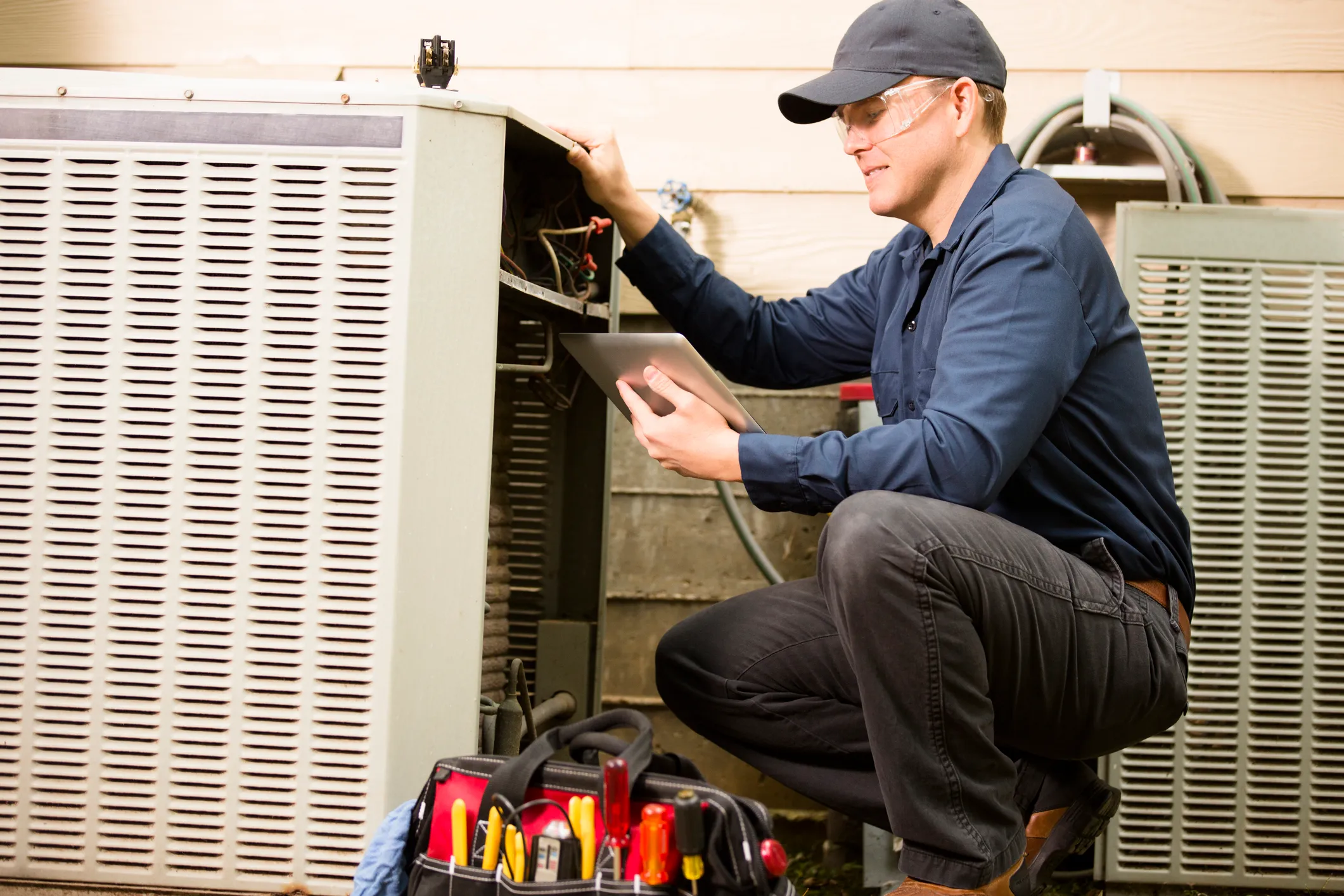
All fuel-burning appliances-including furnaces, water heaters, and fireplaces-should be inspected annually by a licensed HVAC professional. Regular maintenance ensures proper combustion, venting, and system performance.
Ensure Proper Venting
Exhaust vents and chimneys should remain clear of debris, snow, nests, or other obstructions. Never block or seal vent pipes, and have chimneys cleaned or inspected annually.
Use Appliances Safely
Never operate grills, generators, or fuel-powered equipment indoors or in garages. Avoid running vehicles in enclosed spaces, even with garage doors open.
Be Aware of Seasonal Risks
Heavy snowfall, ice buildup, or storm debris can block outdoor vent pipes. Homeowners should routinely check exterior exhaust outlets during winter months.
The Role of HVAC Professionals
A licensed HVAC technician plays a vital role in carbon monoxide prevention. During routine service visits, professionals inspect heat exchangers, test combustion efficiency, verify airflow, and confirm that venting systems meet safety standards. Addressing small issues early can prevent dangerous situations and costly repairs later.
Carbon monoxide is an invisible danger, but it is also highly preventable. With proper HVAC maintenance, working detectors, and safe appliance use, homeowners can protect their families while enjoying reliable indoor comfort throughout the heating season.
If you rely on gas or fuel-burning equipment, regular professional inspections are not just about efficiency—they are essential for safety.
Customer Testimonials


READY TO TRANSFORM YOUR HOMe?

Guide
Maintenance
.webp)
Installation