



Heating Installation in Lake Conroe, TX



Choosing the right heating installation for your Lake Conroe home means balancing comfort, efficiency, and resilience to local conditions. Winters here are mild but humid, with occasional cold snaps that require dependable heating and systems that handle high indoor humidity and variable lakeside conditions.
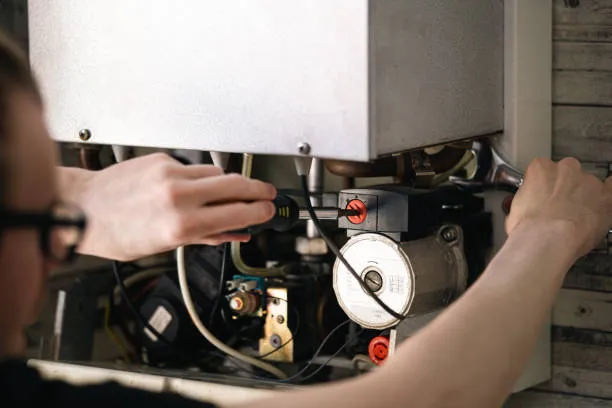
Why a proper heating installation matters in Lake Conroe homes
An incorrectly sized or poorly installed heating system wastes energy, shortens equipment life, and delivers uneven comfort. In the Lake Conroe area, higher humidity levels and homes with older insulation can change heat loss patterns. Proper installation ensures:
- Consistent indoor temperatures during cold snaps
- Efficient operation to reduce energy bills
- Reduced risk of moisture-related issues in ductwork and equipment
- Compliance with Montgomery County and Texas codes for safety and insurance
Common heating system types for Lake Conroe
- Heat pumps: Popular here for their efficiency in mild climates and combined heating/cooling capability. Modern cold-climate heat pumps still perform well during brief freezes.
- Gas furnaces: Good for homes that prefer combustion heating or have existing natural gas lines. Proper combustion testing is essential.
- Dual fuel systems: Combine a heat pump with a furnace for the best of both worlds — efficiency and backup heating on very cold days.
- Ductless mini-splits: Ideal for additions, lakefront cottages, or homes without ductwork. They offer targeted comfort and high efficiency.
- Packaged units: Used in some older or commercial-style homes where rooftop or single-unit installations make sense.
On-site assessment: what we evaluate
A thorough assessment is the foundation of a reliable heating installation. Key checks include:
- Home layout, square footage, ceiling heights, and insulation levels
- Existing ductwork condition, sizing, and leakage
- Air infiltration points, window and door types
- Fuel availability (electric, natural gas, propane)
- Mechanical room and outdoor equipment placement, including elevation needs for low-lying or flood-prone lakefront properties
- Existing thermostat and zoning needs
- Any local homeowners association or shoreline restrictions that affect equipment placement
Load calculations and proper unit sizing
Accurate sizing prevents short-cycling or underperformance. We use industry-standard Manual J load calculations to determine heating demand, and Manual S to size the equipment. Factors included:
- Local climate data for Lake Conroe (mild winters but high humidity)
- Insulation R-values, window U-factors, and air leakage
- Heat gains from occupants and equipment
- Duct losses and distribution efficiencyProper sizing ensures efficient runtime, consistent comfort, and longer equipment life.
Energy-efficient options to consider
- High-efficiency heat pumps with variable-speed compressors and high HSPF ratings for lower operating costs
- ENERGY STAR qualified models and systems with advanced defrost and cold-weather performance
- Variable-speed or two-stage furnaces for better temperature control and lower energy use
- Smart thermostats and zoning to reduce wasted heating in unused rooms
- Duct sealing and insulation upgrades to improve system efficiency and indoor air qualityLocal incentives, manufacturer rebates, or utility programs in Texas may apply to high-efficiency equipment.
The professional installation process
A typical professional installation follows these stages:
- Pre-install planning: final sizing, equipment selection, permit application if required
- Site prep: protecting floors, staging tools, and clearing access to equipment locations
- Removal of old equipment: safe disconnect, disposal, and refrigerant recovery when applicable
- Mechanical and electrical work: duct modifications, combustion and venting for furnaces, gas line connections, condensate management, and dedicated electrical circuits where needed
- Outdoor unit placement: consideration for elevation, corrosion resistance near the lake, and secure mounting
- Refrigerant charge and system balancing: proper refrigerant levels and airflow adjustments
- Controls and thermostat setup: programming and any zoning integration
- Cleanup and safety checks
Most straightforward replacements in single-family homes are completed in one to two days. Larger projects, duct repairs, or permitting delays may extend the timeline to several days or a week.
Permit and code compliance
Installations must meet local codes and require permits and inspections in Montgomery County and the city jurisdictions around Lake Conroe. Common compliance items:
- Proper venting and combustion air for gas appliances
- Electrical code for new circuits and disconnects
- Equipment elevation in flood zones or setback requirements near the lake
- Proper refrigerant handling per EPA rulesA licensed technician will secure permits and coordinate required inspections to meet code and protect your insurance coverage.
Financing and incentives
Financing options commonly available for heating installations include low-interest equipment financing, payment plans, and promotions through manufacturers. Additionally, energy-efficiency rebates from equipment manufacturers or utility programs can lower upfront costs. Ask about available local programs and tax incentive eligibility for high-efficiency systems in Texas.
Post-installation testing and owner orientation
After installation, technicians perform a full commissioning process:
- Airflow and static pressure verification
- Refrigerant and electrical checks
- Combustion analysis and carbon monoxide testing for gas systems
- Thermostat calibration and program setup
- Demonstration of system operation, filter replacement, and maintenance tasksYou should receive a walkthrough that explains routine maintenance, recommended filters, and signs to watch for that indicate performance issues.
Long-term benefits and maintenance advice
A correctly installed heating system provides comfort, lower operating costs, and dependability. To protect that investment:
- Schedule annual maintenance: tune-ups extend life and preserve efficiency
- Replace filters regularly and seal duct leaks
- Consider a maintenance plan that includes priority service during cold weather
- For Lake Conroe properties, inspect outdoor units for corrosion, and ensure clearances from vegetation and standing water
Maintenance Plan
Heat Pump/ AC Tune-Up

Furnace Tune-Up
Customer Testimonials