



Heating Installation in Montgomery County, TX



Heating installation in Montgomery County, TX requires more than swapping out an old furnace. Local homes need systems sized and configured for a humid subtropical climate with long cooling seasons, occasional cold snaps, and a wide range of house styles from older cottages to newer subdivisions.
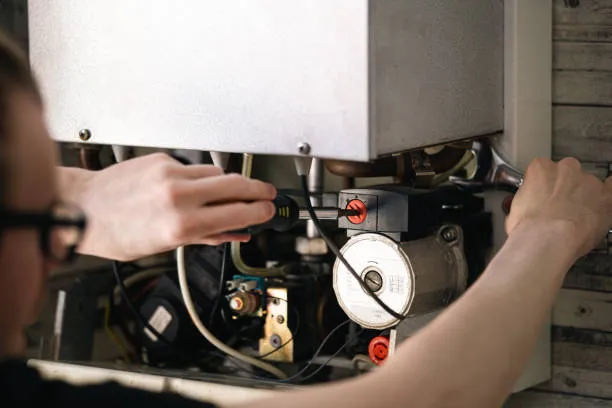
Why professional heating installation matters in Montgomery County, TX
A correctly installed heating system delivers reliable comfort, better energy efficiency, and longer equipment life. In Montgomery County, where winters are generally mild but can include cold mornings and occasional freezes, selecting the right system (high-efficiency heat pump, gas furnace, or hybrid system) and installing it to local code prevents comfort gaps, excessive energy use, and safety risks related to combustion appliances. Homes with older or undersized ductwork commonly experience uneven heating and higher operating costs, so installation includes a full inspection and recommendations to correct those issues.
Common heating types and problems homeowners face
- Heat pumps - Efficient year-round for Montgomery County climate; common choice for homes without gas service. Problems include undersizing or improper refrigerant charge that reduces efficiency in colder spells.
- Gas furnaces - Preferred in homes with natural gas; typical issues are aging burners, poor venting, and inadequate combustion air if not installed correctly.
- Hybrid systems - Combine heat pump and gas furnace for optimum efficiency and backup heat.
- Ductwork issues - Leaks, poor insulation, or wrong sizing cause loss of heat and uneven rooms.
- Thermostat and control integration - Improper setup reduces system responsiveness and can negate efficiency gains.
Pre-install site assessment and load calculations
Every installation starts with a detailed site assessment:
- Visual inspection of current system and ductwork condition.
- Measurement of conditioned space and construction type.
- Manual J load calculation to determine accurate heating and cooling loads, not rule-of-thumb sizing.
- Manual D duct design review when ductwork changes are needed.
- Examination of ventilation, combustion air, flue paths, and electrical capacity.
These steps ensure the selected equipment matches the home’s real needs for comfort and efficiency in Montgomery County weather.
Selecting energy-efficient models
Energy-efficient selection balances initial cost, operating cost, local climate performance, and reliability.
- For most Montgomery County homes, high-efficiency heat pumps (with appropriate cold-weather performance) or high AFUE gas furnaces offer the best value.
- Look for ENERGY STAR qualified models, compatible thermostats, and systems sized per Manual J.
- Consider variable-speed blowers and modulating heat outputs for improved comfort and lower humidity impacts during shoulder seasons.
Step-by-step installation workflow
- Final equipment selection and written estimate based on assessment and load calculations.
- Permit submission and scheduling with local jurisdiction for required inspections.
- Pre-install prep: site protection, disconnect of old equipment, and staging of new components.
- Ductwork repairs or upgrades if required (sealing, insulation, or resizing).
- Mechanical installation: mounting condensers/units, setting furnaces/air handlers, connecting gas or electrical supply as required.
- Refrigerant charging and line set installation for heat pumps.
- Venting and combustion safety checks for gas systems.
- Thermostat installation and system programming for efficiency and zoning if applicable.
- Start-up, performance testing, and airflow balancing to confirm design targets.
- Final inspection and paperwork completion for warranties and permits.
Installation includes thorough safety and carbon monoxide checks where combustion appliances are used.
Permits, code compliance, and inspections
All installations comply with Montgomery County and local municipal building codes, including mechanical, electrical, and fuel gas requirements. Required permits and inspections are arranged and documented. Compliance ensures safe venting, correct combustion air, proper electrical connections, and that work meets local inspection standards.
Expected timeline and what affects it
- Typical replacement or new installation projects range from a single day to several days depending on scope.
- Simple like-for-like replacements with no duct or gas changes are usually completed in a day.
- Projects needing ductwork upgrades, electrical service changes, or custom sheet metal can take multiple days.
- Permit turnaround and inspection scheduling can add time; older homes often need more prep work.
Upfront estimates and financing options
Upfront estimates are provided after the assessment and load calculations so they reflect the true scope of work and materials. Estimates explain line-item costs for equipment, labor, permits, and any required duct or venting work. Financing options commonly available include manufacturer financing, third-party lender plans, and utility or energy program assistance for qualifying energy-efficient equipment. Documentation assistance for local rebates or tax credits is often part of the installation support.
Warranty, registration, and aftercare
- Equipment comes with manufacturer warranties that vary by model; registration is completed at installation to activate coverage.
- Installer workmanship warranties cover labor and installation-related issues for a defined period.
- Aftercare includes recommended maintenance plans, seasonal tune-ups, filter guidance, and priority diagnostic service options. Regular maintenance preserves efficiency, maintains warranty eligibility, and extends equipment life.
Long-term benefits and maintenance tips
Properly installed, energy-efficient heating systems reduce energy use, deliver more consistent comfort, and require fewer repairs. In Montgomery County, regular checks before the winter period, maintaining proper insulation in crawlspaces and attics, and replacing filters on schedule are high-impact steps homeowners can take. Consider programmable or smart thermostats to manage temperature schedules and reduce run time without sacrificing comfort.
Maintenance Plan
Heat Pump/ AC Tune-Up

Furnace Tune-Up
Customer Testimonials