



Heating Installation in Montgomery, TX



Replacing or installing a new heating system is a major home investment. In Montgomery, TX, where winters are generally mild but occasional cold fronts and humidity swings create comfort challenges, a properly sized and installed system means consistent indoor warmth, improved energy efficiency, and reliable performance when you need it most.
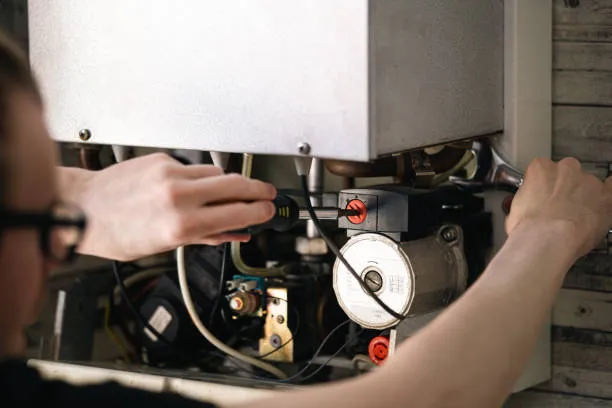
Why heating installation matters in Montgomery, TX
Homes in Montgomery experience hot, humid summers and relatively mild winters with periodic cold snaps. That climate makes heat pumps an attractive option because they provide efficient year-round heating and cooling. Gas furnaces still offer fast, high-output heat during the coldest nights, but only if the home has or can accommodate natural gas lines and proper venting. Choosing the right system and having it installed correctly prevents uneven heating, short cycling, high utility bills, and premature equipment failure.
Common heating system options
- Heat pump systems (air-source and hybrid): Efficient for Montgomery’s climate, offering both heating and cooling. Look at HSPF and SEER ratings for performance.
- Gas furnaces: Provide strong heat output and work well in colder outages. Consider AFUE ratings to judge efficiency.
- Ductless mini-split heat pumps: Ideal for additions, garages, or homes without ductwork; allow room-by-room control.
- Hybrid systems (heat pump + furnace): Use a heat pump for most conditions and a furnace for colder periods to maximize efficiency and comfort.
Typical problems homeowners want fixed with a new installation
- Uneven heating between rooms
- Rising energy bills despite thermostat adjustment
- Frequent short cycling or noisy operation
- Old equipment beyond repair or with failing parts that are expensive to replace
- Poor indoor air quality linked to outdated ductwork or filtration
Initial home assessment and load calculations
A professional installation begins with a thorough home assessment:
- Manual J load calculation: Determines the exact heating capacity your home needs based on square footage, insulation levels, window types, orientation, and local climate factors. Correct sizing prevents undersized systems that struggle and oversized systems that short-cycle.
- Ductwork inspection: Evaluates leaks, insulation, layout, and whether duct modifications or sealing are needed for consistent airflow.
- Combustion and ventilation review: For gas furnaces, a technician checks flue sizing, combustion air, and clearances to ensure safe operation and code compliance.
- Electrical and thermostat compatibility: Confirms that your electrical panel, breaker capacity, and thermostat wiring support the new equipment.
Recommended equipment and energy-efficiency considerations
- AFUE explained: AFUE (Annual Fuel Utilization Efficiency) measures how efficiently a furnace converts fuel into heat. Higher AFUE means lower fuel use. In Montgomery, many homeowners balance upfront cost with long-term savings; mid-to-high AFUE furnaces or efficient heat pumps often provide the best return.
- Heat pump metrics: For heat pumps, consider both SEER for cooling and HSPF for heating efficiency. Modern heat pumps with variable-speed compressors offer quieter operation and better humidity control.
- Right-sizing and features: Variable-speed blowers, two-stage heating, and smart thermostats can improve comfort and reduce energy waste, especially in homes with variable occupancy or multi-zone needs.
Permits and code compliance
Heating installations must meet local and state codes. In Montgomery County and the state of Texas:
- Permits are typically required for new equipment and major modifications to gas or duct systems.
- Installations must adhere to National Fuel Gas Code and local mechanical codes for venting, clearances, and combustion air.
- Electrical work associated with the system must meet the Texas electrical code standards.Expect coordination for permit applications and inspections; timeline impacts can result if permits or inspections are delayed.
Installation timeline and process
While every job varies, a standard full heating system installation generally follows this timeline:
- Day 1: Finalize equipment selection, deliver new unit, and set up work area.
- Day 2: Remove old equipment, install new furnace or heat pump, connect ductwork and venting, run necessary electrical and gas lines.
- Day 3: System start-up, commissioning, testing for safety and efficiency, thermostat programming, and walkthrough.Total time: commonly 1 to 3 days for most single-family homes. Larger jobs, duct replacements, or permit delays can extend the schedule.
Removal and disposal of old equipment
- Old furnaces, heat pumps, and refrigerant-containing equipment are removed and disposed of following federal and state environmental rules.
- Refrigerants must be recovered by certified technicians per EPA regulations before disposal or recycling.
- Metal recycling and proper disposal of hazardous components are handled to meet Montgomery County standards.
Warranty and post-installation protection
- Manufacturer warranties: Cover major components like compressors and heat exchangers for specified terms—register equipment to ensure coverage.
- Workmanship warranties: Installation labor warranties protect against installation-related failures; these vary by installer.
- Keep documentation for both warranties, and schedule the recommended initial maintenance visit to validate warranty conditions.
Financing and payment options
Financing programs are commonly available through lenders or manufacturer partners for heating installations. Typical options include fixed-term loans or financing plans that help spread the investment over time. Review terms, interest rates, and qualification requirements before choosing a plan to ensure it matches your budget and long-term savings goals.
Maintenance and long-term benefits
Regular maintenance preserves efficiency and extends equipment life. Key tasks include:
- Annual tune-up and safety inspection
- Replacing or cleaning filters every 1 to 3 months
- Duct sealing and insulation checks
- Thermostat scheduling and smart control optimizationBenefits of timely installation and maintenance include improved comfort, lower energy bills, fewer repairs, and better indoor air quality.
Maintenance Plan
Heat Pump/ AC Tune-Up

Furnace Tune-Up
Customer Testimonials